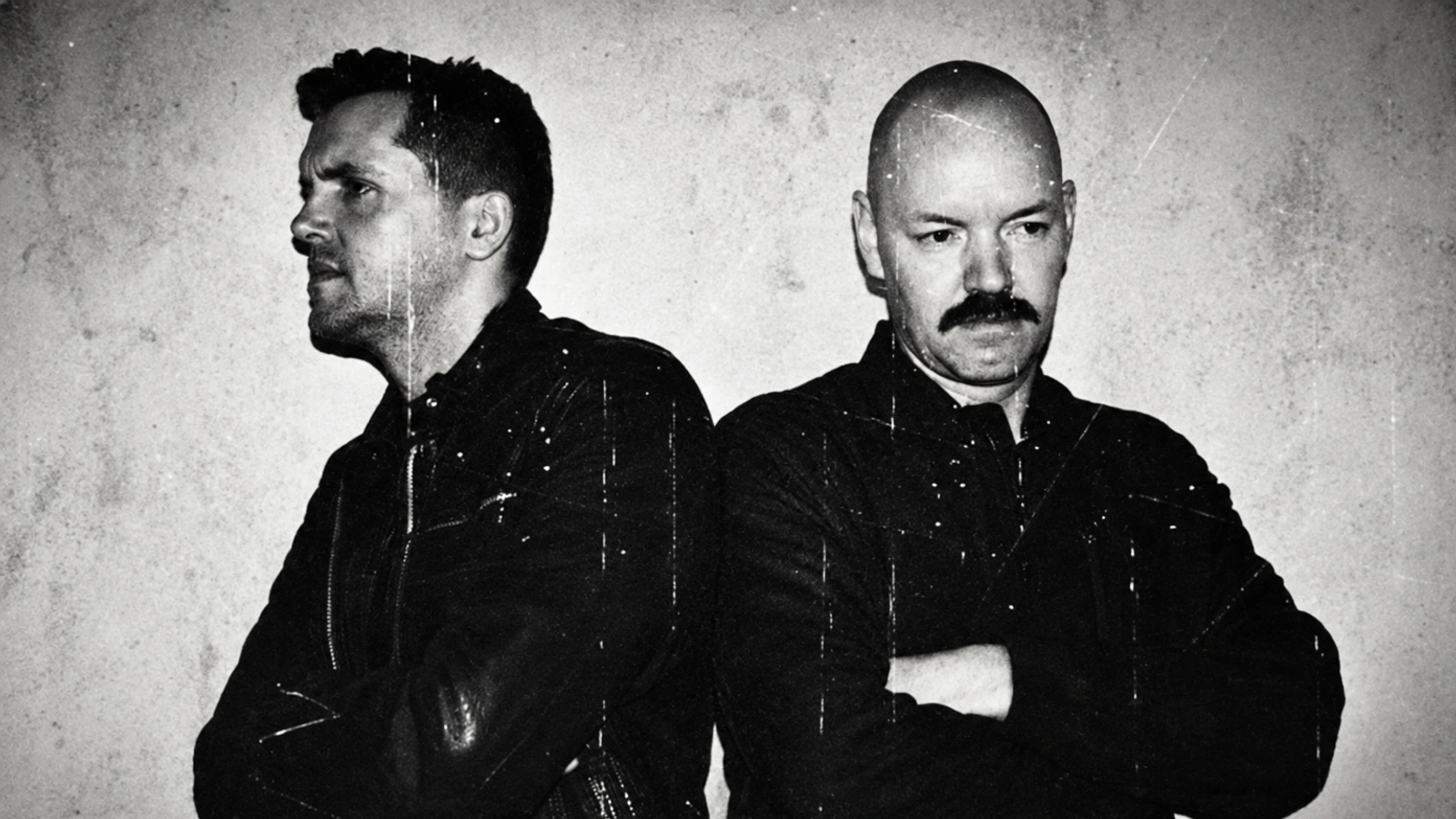
Clock DVA
Adi Newton celebrates the journal’s third birthday with 14 formative selections. Tape experiments, jazz and early electronics reveal the influences behind Clock DVA’s approach to composition and sound.
Listen to the mix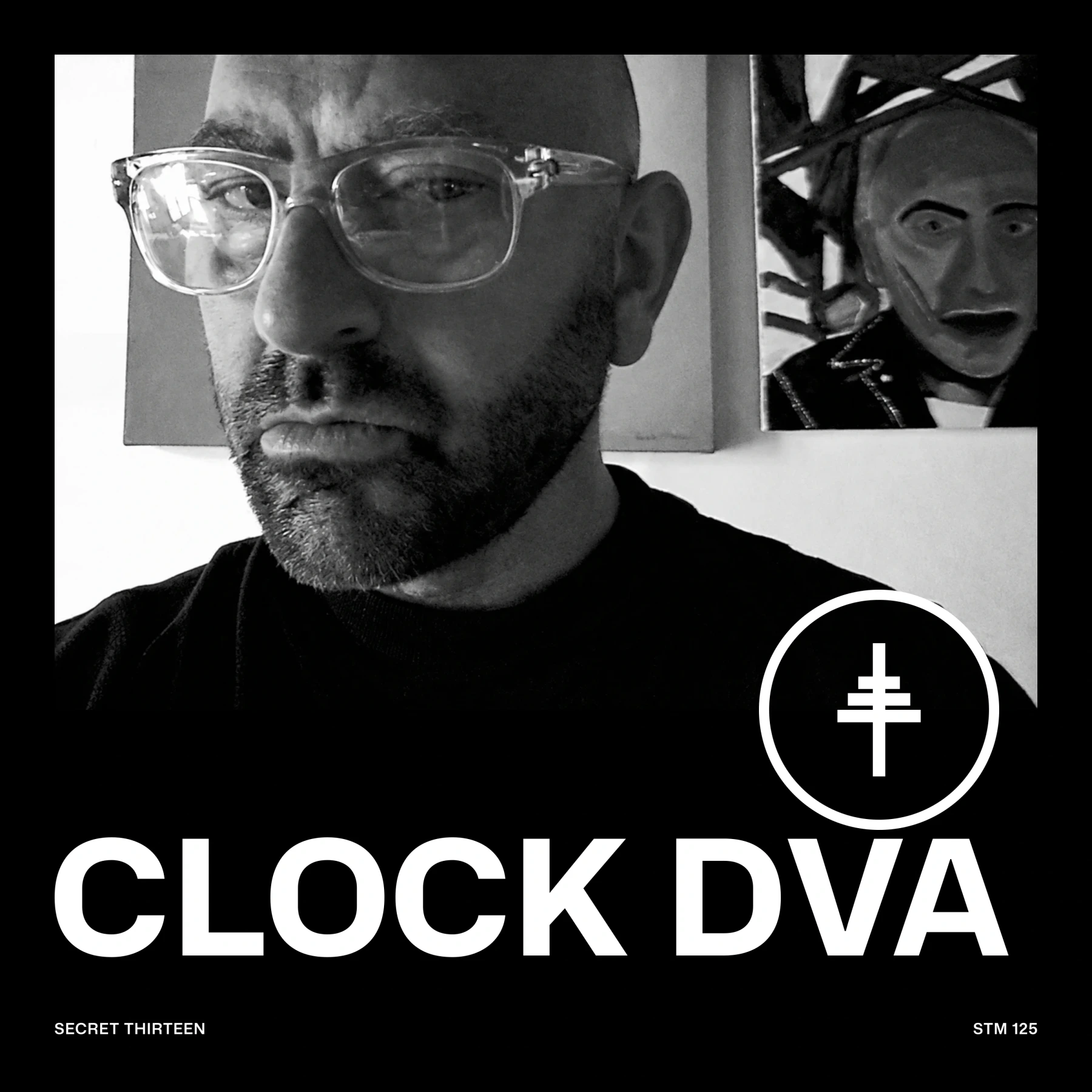
The selection comes from Adi Newton, one of the founders of the legendary Clock DVA group. For more than three decades, Newton has carried the band’s ideas through the global industrial scene. With its numerous records released by such notable labels as Industrial Records, Contempo Records, Polydor or Vinyl-on-Demand, Clock DVA has gradually become a synonym for the “industrial” sound. With each year of their musical resistance, Clock DVA expanded their sound and went through several musical periods, incorporating such styles as post-punk, EBM, and dark ambient. Clock DVA’s emotionally powerful and forward-thinking compositions are often accompanied by dramatic, sometimes futuristic lyrics, touching on themes of science and technological revival in a suggestive vocal timbre. That rich history provides a backdrop to the earlier influences he brings together here.
Prepared for the journal’s third birthday, the mix guides the listener through an abyssal, glass-like river of music. The mix contains 14 compositions drawn from vinyl records, tracing several decades of musical experimentation. These works shaped Newton’s early music and his understanding of composition and sound.
Newton has included a picturesque palette of musical styles ranging from modern classical and jazz to new wave, early electronics and ambient. The finely shaded shifts between the works of such pioneering composers as Vladimir Ussachevsky, Terry Riley, Ilhan Mimaroglu and the expressive production of such prominent bands as Holy Toy, White Noise or Kraftwerk are virtually inaudible.
Voice, tape and song
Ruth White’s “The Clock” opens with voice and electronics in the service of an unsettling text. White Noise broadens that encounter through a studio-made collision of song and tape experiment.
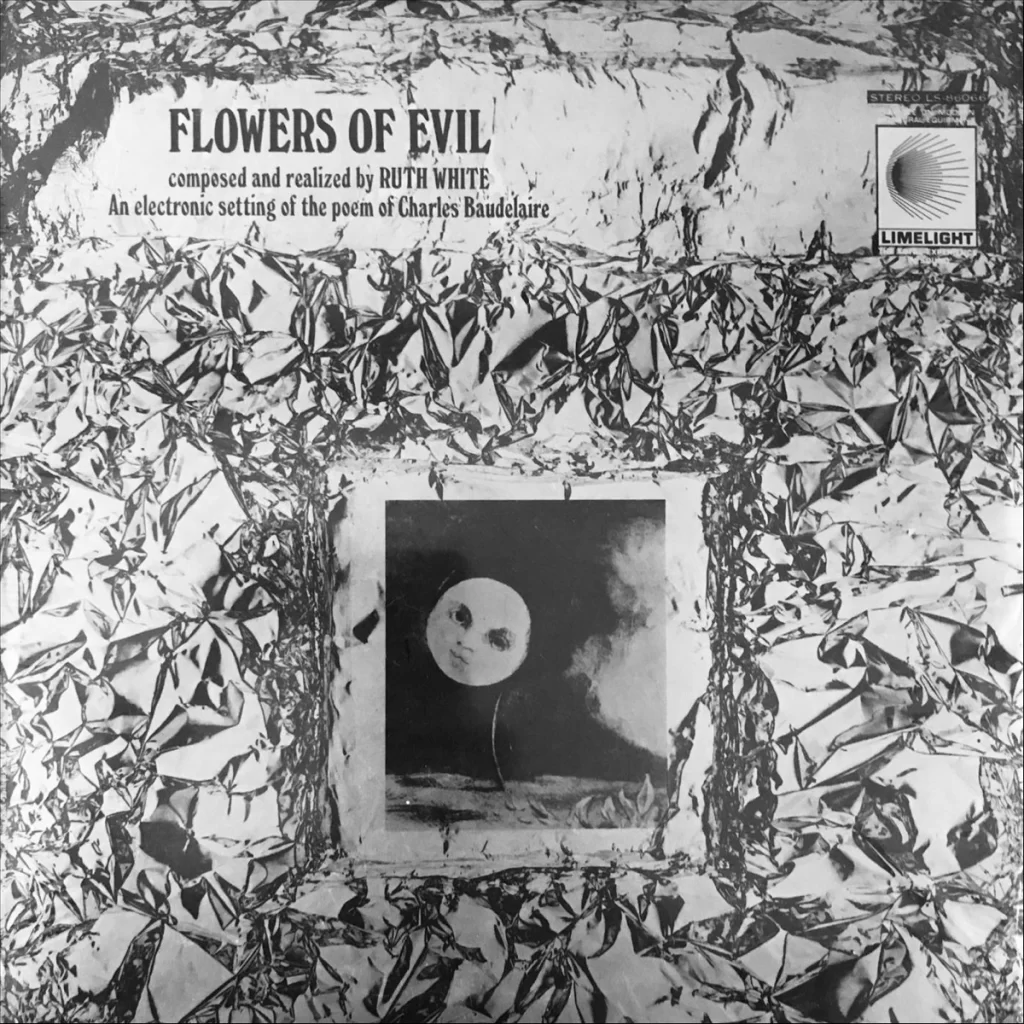
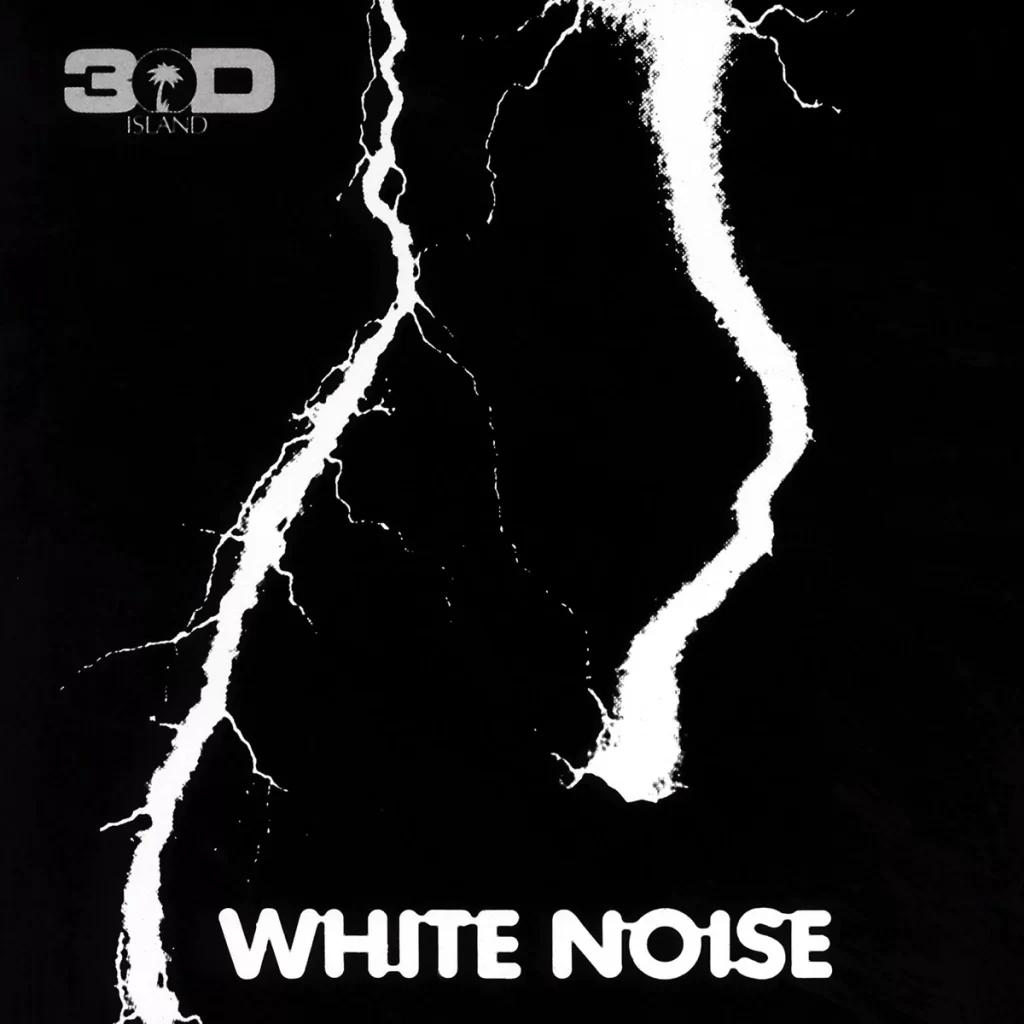
The deliberate and patient connection of tracks gradually brings affirmative, surreal and elusive moods into harmony.
Repetition and early electronics
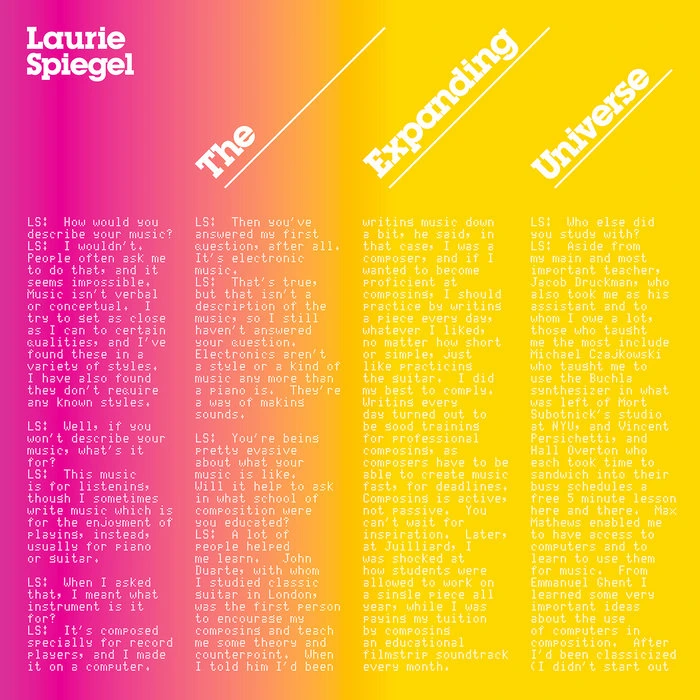
Terry Riley’s 1968 performance brings duration and repeating instrumental patterns into focus. Laurie Spiegel’s “Appalachian Grove I” reveals a lyrical possibility within early computer music.

Edward Wadsworth’s abstract painting “Composition on a Red Ground” could be a subtle visual interpretation of how beautiful and strange this mix is.
Sources and image credits
- Photograph from the Secret Thirteen archive. Digitally restored; background reconstructed.
- Original release artwork: Ruth White — Flowers of Evil.
- Original release artwork: White Noise — An Electric Storm.
- Original release artwork: Terry Riley — Poppy Nogood and the Phantom Band All Night Flight.
- Original release artwork: Laurie Spiegel — The Expanding Universe.