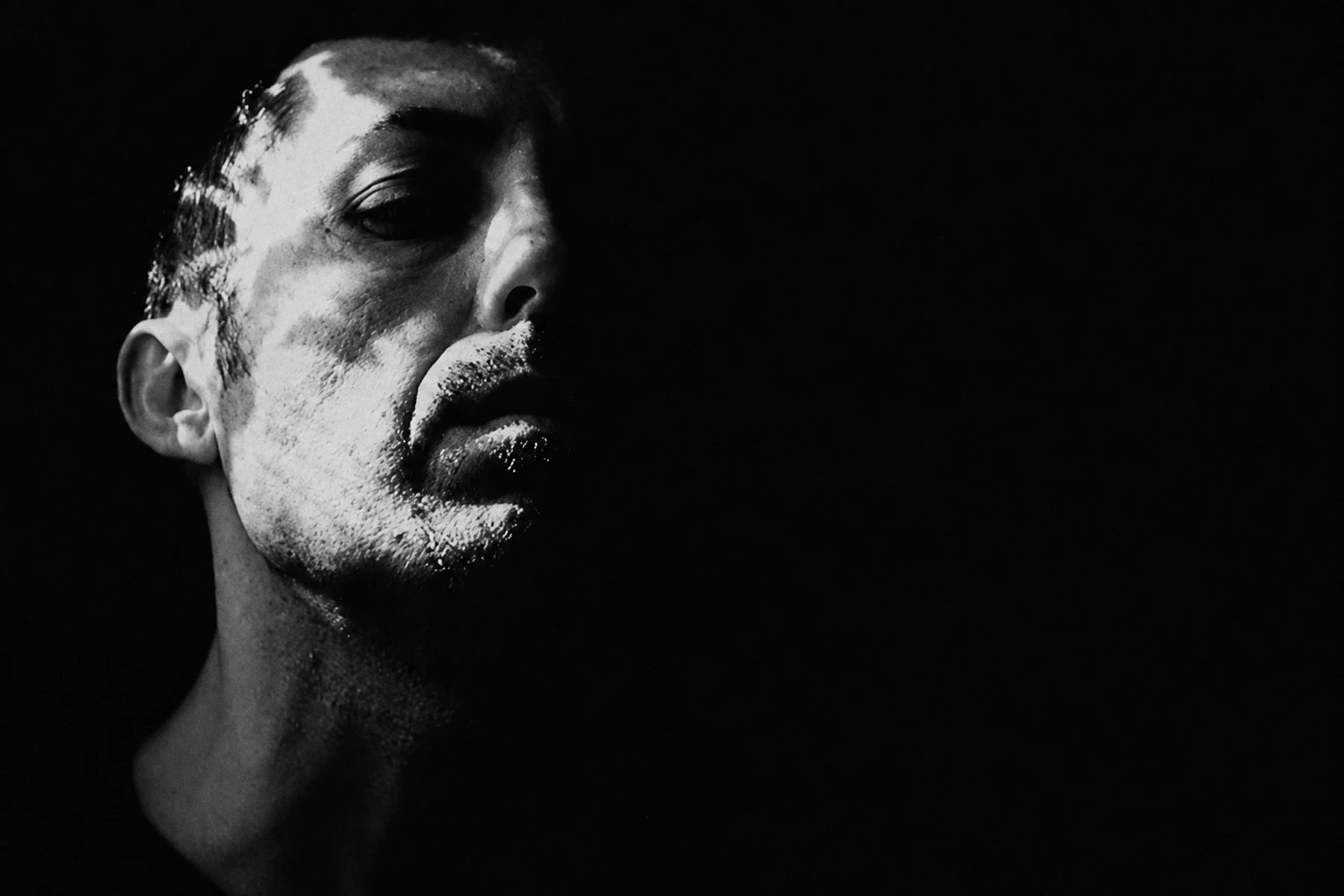
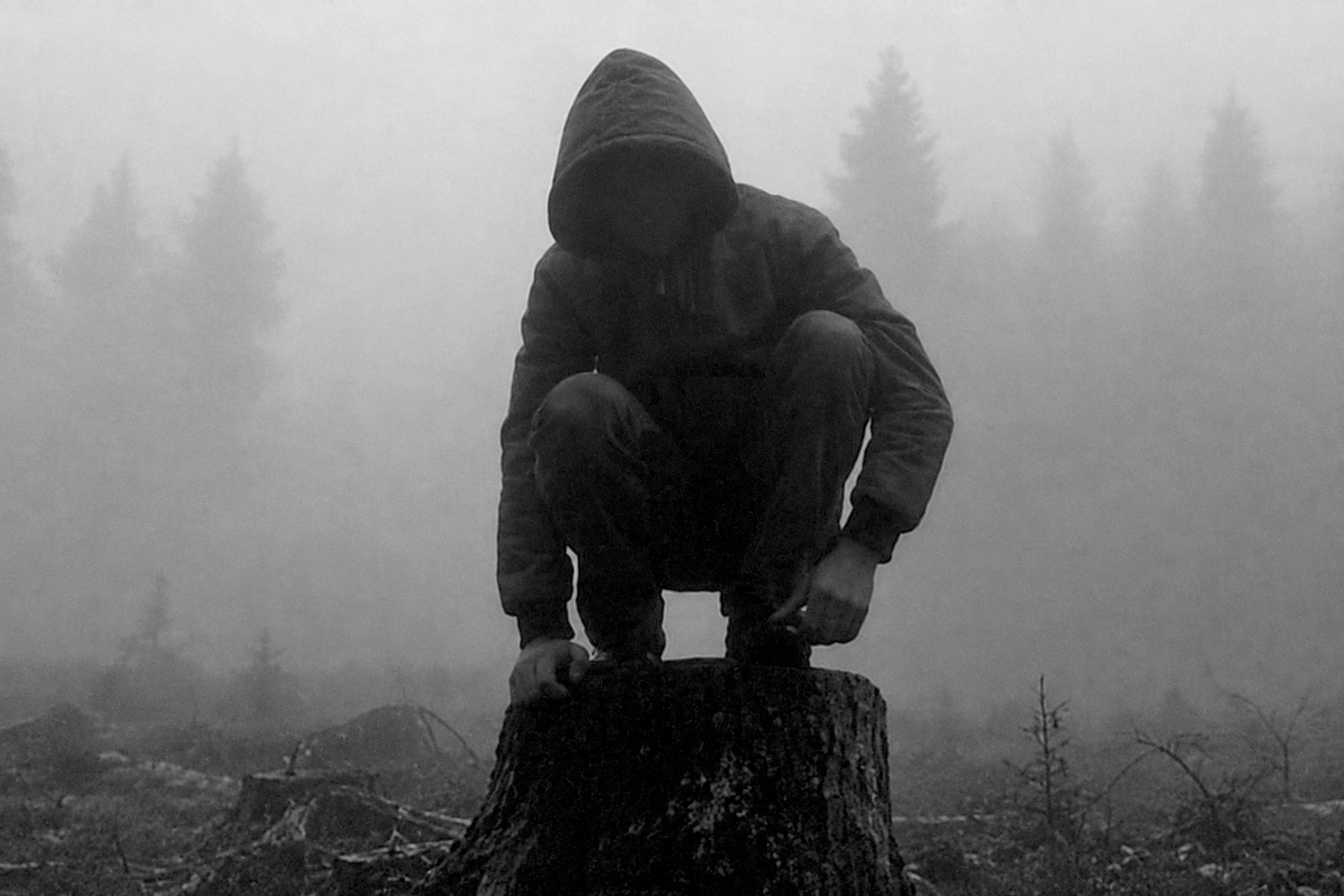
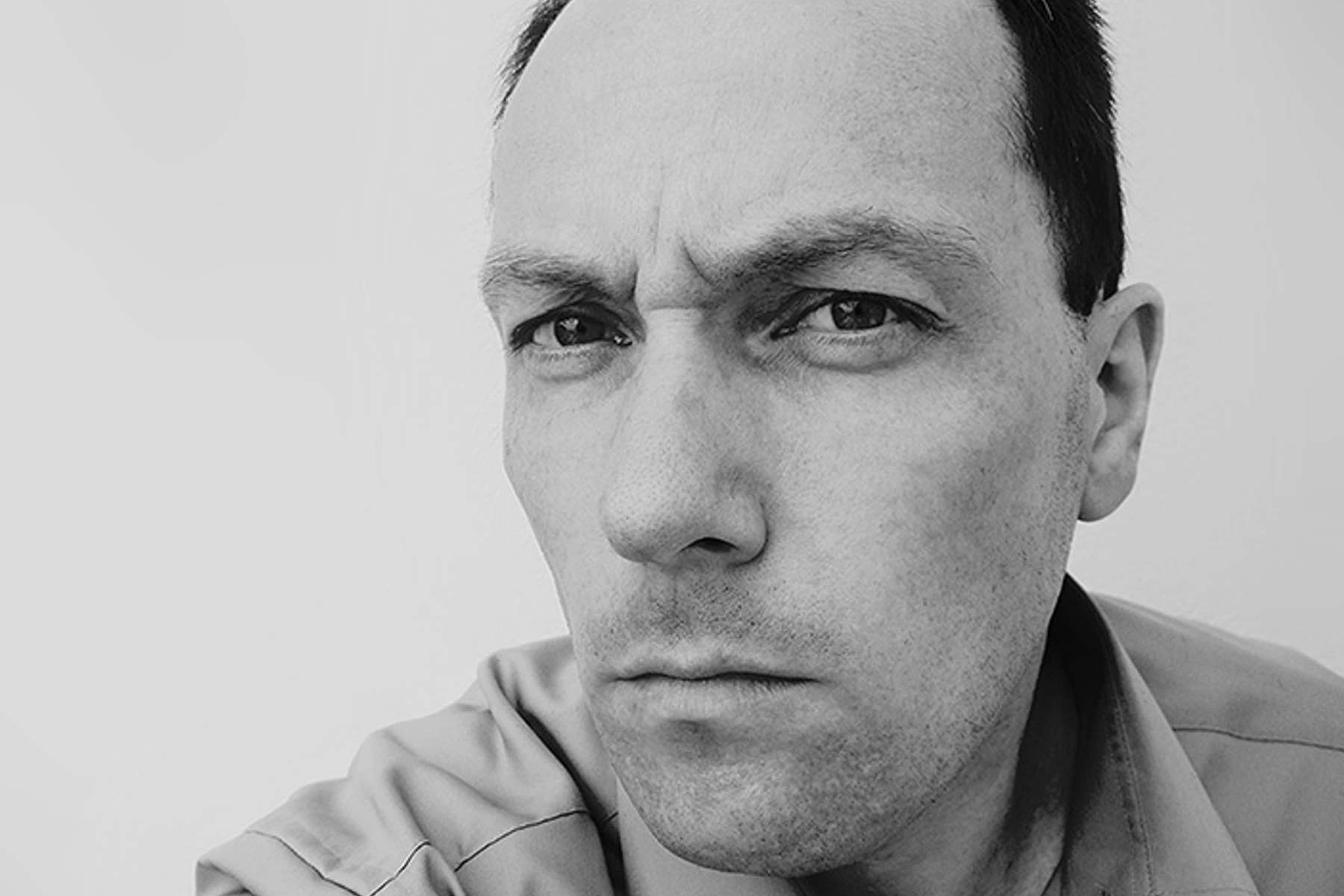
Herz Jühning
Kay Jühning traces a path from the rebellious post-punk of his GDR youth to industrial and power electronics, linking formative songs, restored cassette recordings and private unreleased material.
Listen to the mix
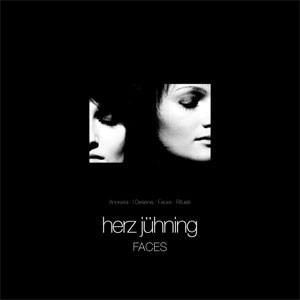
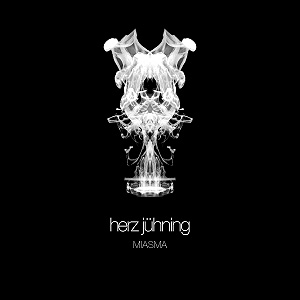
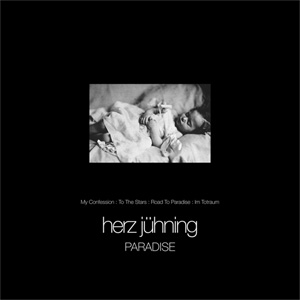
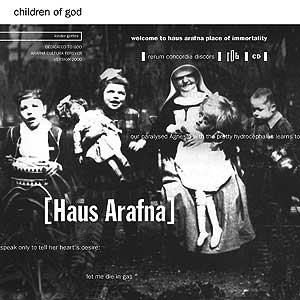
Herz Jühning is the project of German artist Kay Jühning, who began by experimenting with harsh analog sounds after being inspired by the rougher side of post-punk and synth music. Born and raised in the GDR, he saw these music styles as a form of resistance against the regime. His project quickly evolved into a separate artistic world, where underlying human fears, inner threats, and persistent anxiety are soundtracked by sharp and raw synth pulsations in union with noisy and atmospheric power electronics soundscapes. Kay’s music carries an ever-present tension and mental angst that can truly make one feel uncomfortable. However, his sound also contains a synth-pop subtlety—likely a remnant of his early influences. It’s no wonder that all of his releases have come out on Haus Arafna’s Galakthorrö label, which shares similar sensibilities.
STM 157 is a chronological selection showcasing Kay’s musical development. It shifts between German post-punk/NDW ’80s classics and outbursts of rough industrial and power electronics. Kay even went so far as to remaster old cassette songs to achieve higher quality without deviating from his vision. The selection starts with the powerful uptempo punk of legendary Berlin outfit Ideal and proceeds with the timeless NDW bomb “Wütendes Glas” by Swiss minimal wavers Grauzone. Das Kabinette’s self-titled wave hit prepares the listener for darker waters, while a sophisticated composition by Einstürzende Neubauten and the abrasive aggression of Dive act as mediators between the different worlds that shaped Kay’s musical path. The mix continues with brittle analog noises from two fellow Galakthorrö artists, Haus Arafna and Subliminal. Marita Schreck’s raw experiments are followed by the monolithic industrial sound of IRM. The selection concludes with several private unreleased tracks—one of the most interesting moments in the mix. Judyshed’s dark, electrified post-punk piece and the synthetic vocal soundscapes of 15den are true hidden gems. The whole collection features similarities to Kay’s own music in terms of maintaining dynamic tension, exploring dark emotional depths, and standing on the verge between crystal synth structures and concrete noise.
Records and connections
The mix might remind one of Antonio Palolo’s neo-expressionist masterpiece “Untitled” or the abstract “Itinerario” by Giulio Turcato, created using action painting. Turcato’s artwork mingles figures and geometric elements using psychedelic retro-futuristic colors, much like the first part of the mix. Meanwhile, the colorful punkish playfulness of Palolo’s work mirrors the second part, as it leads to atmospheric and dark undertones, creating a similar tension between statics and dynamics, color and diverse monochrome shades.
Kay Jühning on the mix
I was born and raised in the old GDR, before Germany was unified. My parents listened to this kind of music at the time, which was my first contact with music I truly liked.
This mixtape is compiled chronologically, giving you an idea of my musical development. It starts with the punk and post-punk music of East Germany, where resistance against the dictatorial regime was expressed in every line. It was the urge to do something forbidden and rebellious, and we felt free and wild. The German language shapes this genre.
I took a liking to bands like Grauzone, and Kraftwerk as well. The electronic, synthetic quality of this music drew me in. After the fall of the Berlin Wall, new opportunities arose. Electronic music became widely available, and my taste shifted towards the harder kinds of electro.
I was never a big fan of techno music at that time, although there were some unique tracks. Through my first experiences in ‘underground clubs,’ I encountered power electronics, harsh noise, and industrial music—it was the fulfillment I had been looking for.
This music impressed me so much that I began collecting equipment and, with the cheapest and sometimes very low-quality materials, started making my own music. Through constant work on myself and my equipment, the quality of my music has improved up to today.
Sources and image credits
- Herz Jühning — photograph from the Secret Thirteen archive. Digitally restored.
- Original release artwork: Herz Jühning — Faces.
- Original release artwork: Herz Jühning — Miasma.
- Original release artwork: Herz Jühning — Paradise.
- Original release artwork: Haus Arafna — Children Of God.