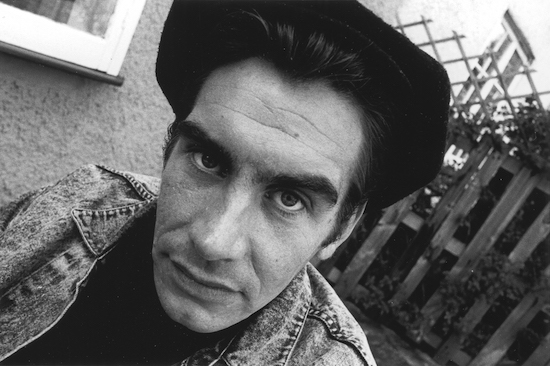
Mark Stewart
The Pop Group’s Mark Stewart delivers a kaleidoscopic hour of dub, noise, psychedelia and surrealism, weaving unreleased material and a Max Ernst interview into a Dadaist sonic manifesto.
Listen to the mix
Mark Stewart (10 August 1960–21 April 2023).
There is a kind of music that does not explain itself. It arrives from multiple directions simultaneously — dub from one side, noise from another, a fragment of interview, a shard of funk, a whisper of something that might be jazz — and it trusts the listener to find their own footing in the wreckage. Mark Stewart made this kind of music his entire life, and it is no coincidence that when he sat down to assemble a mix for this journal in 2019, it sounded like nothing that had come before it in these pages. Not because it was strange, but because it was honest — a direct transmission from a mind that had been colliding irreconcilable things for over forty years and had found, in that collision, something genuinely useful.
Bristol and The Pop Group
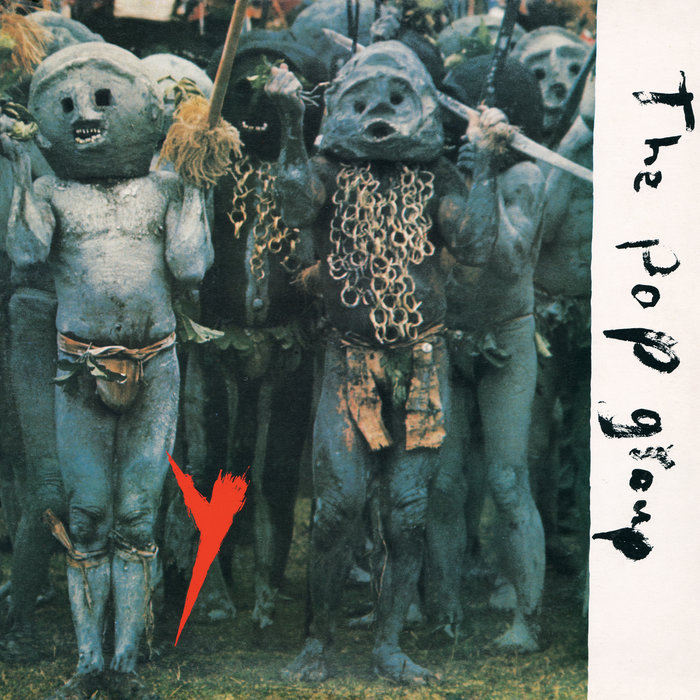
Stewart was born in Bristol in 1960, and Bristol — its reggae parties, its funk clubs, its peculiar position outside London’s cultural gravity — shaped him before he was old enough to understand what was happening. By the time he was twelve he stood over six feet tall, which meant he could get into venues that should have turned him away, absorbing dub and soul and jazz at ages when most of his contemporaries were still listening to pop radio. At sixteen he formed The Pop Group with school friends, and by eighteen the NME had put the band on its cover before they had released a single record. When Y arrived in 1979 — one of the records whose fortieth anniversary was being marked in the year this mix was recorded — it announced something that could not quite be named: post-punk, yes, but also funk, dub, free jazz, agitprop, the influence of Ornette Coleman and James Brown and Public Image Ltd arriving simultaneously in a single record. Nick Cave would later say The Pop Group had changed everything. What Stewart actually thought he was making was funk music. He was surprised anyone found it unusual.

The Pop Group — She Is Beyond Good and Evil · The Pop Group — We Are All Prostitutes
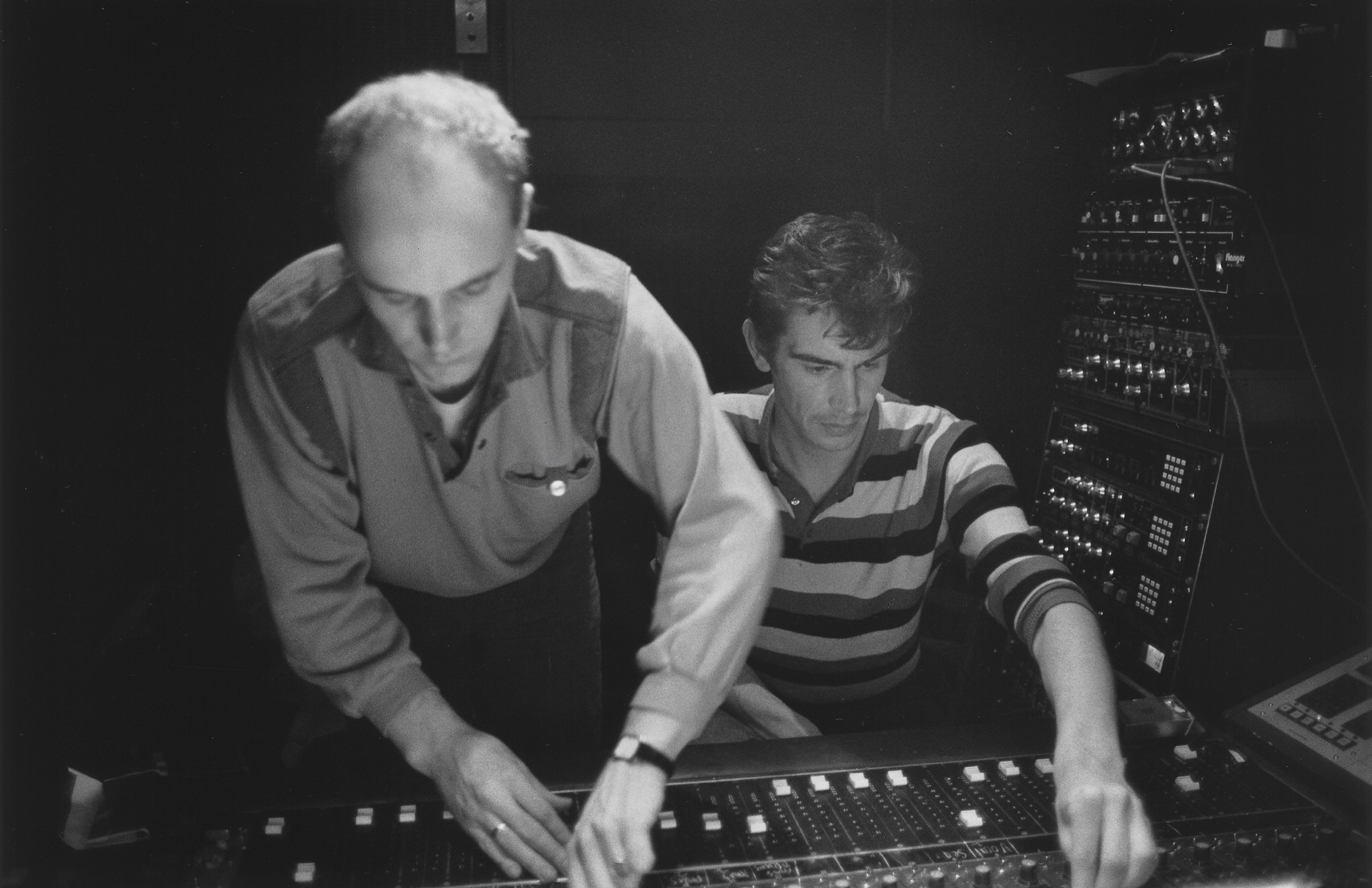
After The Pop Group dissolved in 1981, Stewart moved to London and into the orbit of Adrian Sherwood’s On-U Sound operation, whose “conspiracy of outsiders” — punks, reggae musicians from the UK and Jamaica, free-jazzers — was building an aesthetic universe that would underpin much of what came after. Stewart and the Maffia followed, then years of solo work for Mute Records, collaborations too numerous to catalogue, and a persistent involvement in Bristol’s musical life that helped shape, directly or indirectly, the trajectory of trip-hop: his cassettes of New York rap, brought back from US shows and copied around the city, reached a young Nellee Hooper, a young Grant Marshall of Massive Attack, a young Robert Del Naja who drew covers for the tapes. The Bristol sound was built, in part, on Stewart’s restless curation. “He was our godfather,” more than one Bristol musician has said since his death.
A dispatch from 2019
“Pull up! This is the new style. Flip the script. This one’s for the inmates.”
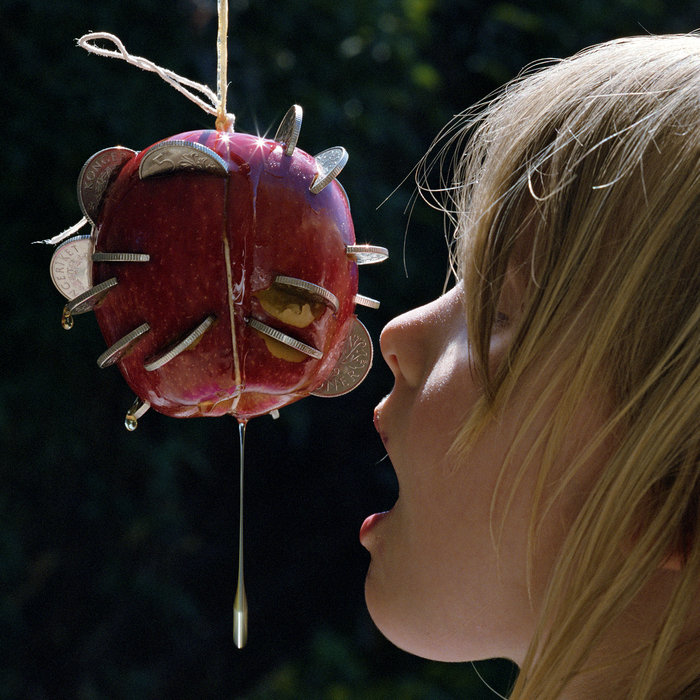
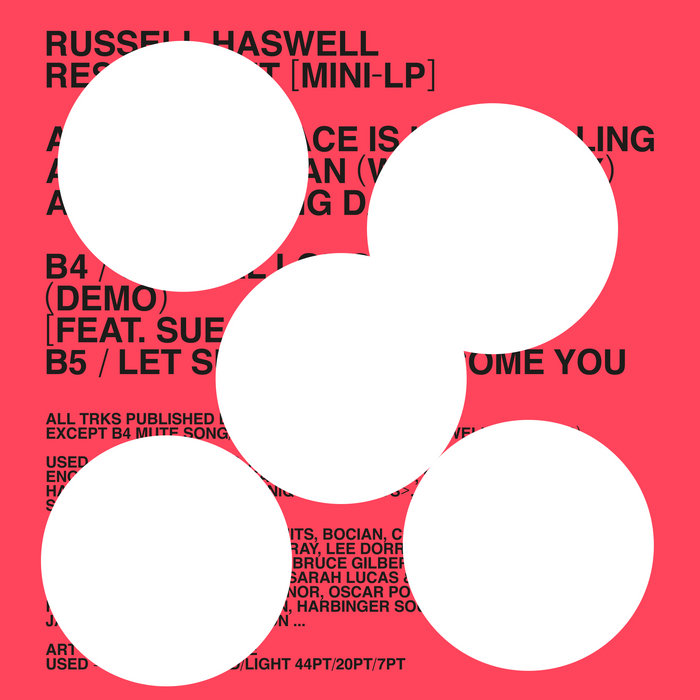
STM 290 is a dream come true for this journal. During the hour it lasts, Stewart shares his vast musical knowledge and unique taste to shape a kaleidoscopic selection — surrealism, dub, punk, funk, noise, and more — that defies retrospective logic. Most of the tracks were released between 2018 and 2019: King Midas Sound, Puce Mary, Russell Haswell, Sandy Lynch, Nisennenmondai, and a newly issued archival piece by Mark Stewart and The Maffia sit alongside earlier material. This is not a looking-back mix. It is a dispatch from someone still operating at the frontier.
In the records
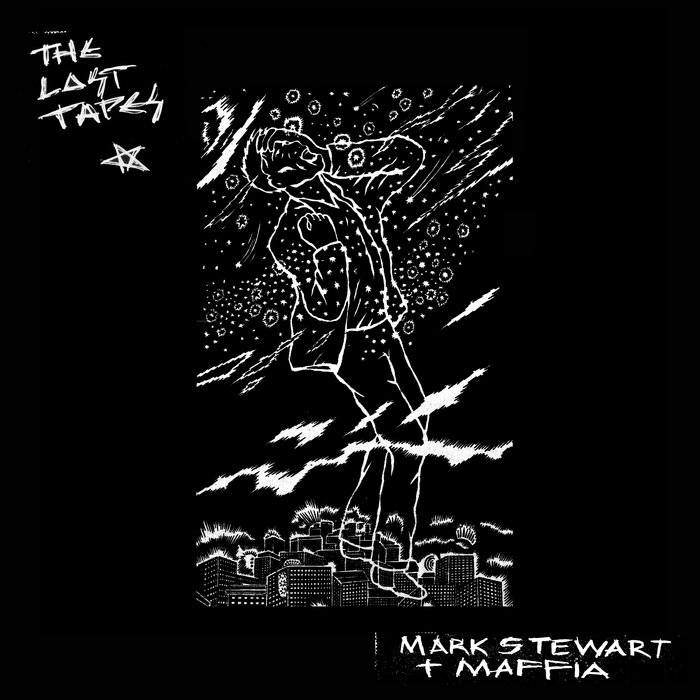
Among the gems scattered across the tracklist: “Love Without Sound” by White Noise, recorded in 1969 — a piece of pre-digital electronic experimentation that lands here as naturally as anything released fifty years later. A composition by Ekoplekz, unreleased when the mix was assembled in 2019. An interview with Max Ernst from the 1960s, which Stewart drops into the sequence as casually as a DJ drops a bassline. “Fuse / The Five Steps” by DJ Spooky, which samples William Burroughs and Martin Olson. The effect is of a mind that does not recognize category boundaries — not because it has rejected them, but because it was formed before they hardened.
Stewart described his process in a few sentences that serve as the mix’s own program notes: “Pull up! This is the new style. Flip the script. This one’s for the inmates. The process, the process, the process church of the final judgement. Like my life these tunes are crunked, chopped and screwed. A deep listening reflection on this processed world we live in. No sleep till Bristol.” The mix is precisely this: crunked, chopped, screwed, and deeply serious about what it means to live inside the noise of contemporary reality rather than retreat from it. As Prince Jazzbo said — and Stewart remembered — one step forward, two step backward. Let the drums of defiance ring across this land.
Remembering Mark Stewart
S13 / 12 October 2026
Mark Stewart died on 21 April 2023, at sixty-two. Massive Attack called him the original chief rocker. Portishead’s Geoff Barrow called him a modern day pirate. Adrian Sherwood, who built On-U Sound around his early collaborations, called him the biggest musical influence of his life. Mute Records, who released his solo records, said he was always, vocally, on the side of the oppressed. Bristol, the city he never really left, said it would never be the same again. This mix remains exactly what it was when it was recorded: a document of someone who was still fully alive, still pushing, still putting round things into square holes and calling it funk.
Sources and image credits
- Mark Stewart — archival photograph.
- Photograph by Chiara Meattelli and Dominic Lee.
- Photograph by Beezer Redland.
- Original release artwork: Mark Stewart and The Maffia — The Lost Tapes.
- Original release artwork: The Pop Group — Y (Remastered).
- Original release artwork: Puce Mary — The Drought.
- Original release artwork: Russell Haswell — Respondent.
- Life dates and tributes: Mute / Mark Stewart’s family and collaborators.
- The 2019 archive release: Mute — Learning to Cope with Cowardice / The Lost Tapes.
- Adrian Sherwood and Mark Stewart, London, 1985. Photo: Andy Beezer Beese. Mark Stewart official archive. Mark Stewart official archive.