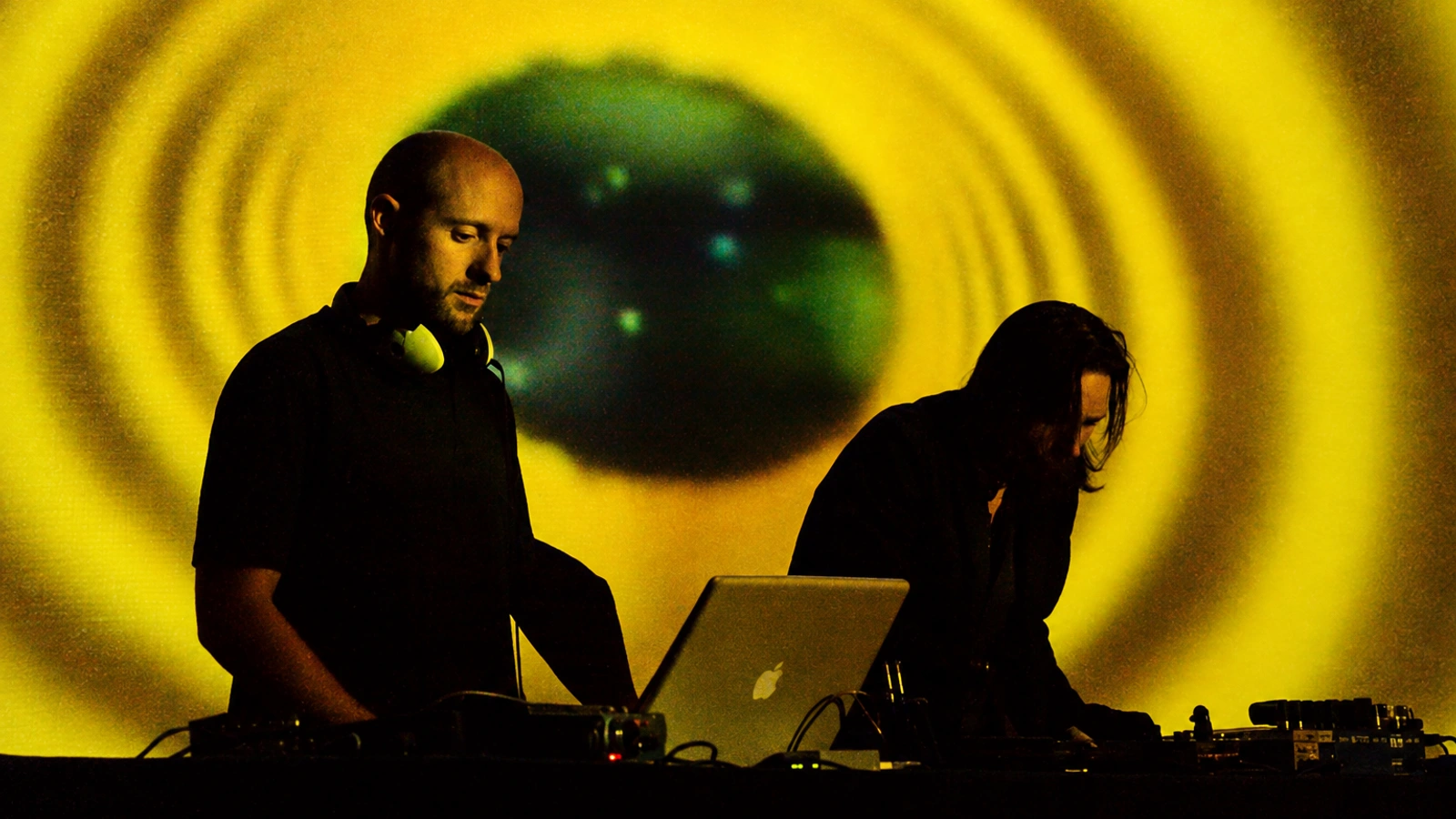
Diskette Deluxe
Diskette Deluxe revisits the playful history of chiptune, connecting Commodore Amiga soundtracks, demoscene experiments and bright synth-pop with an unexpected descent into noise.
Listen to the mix
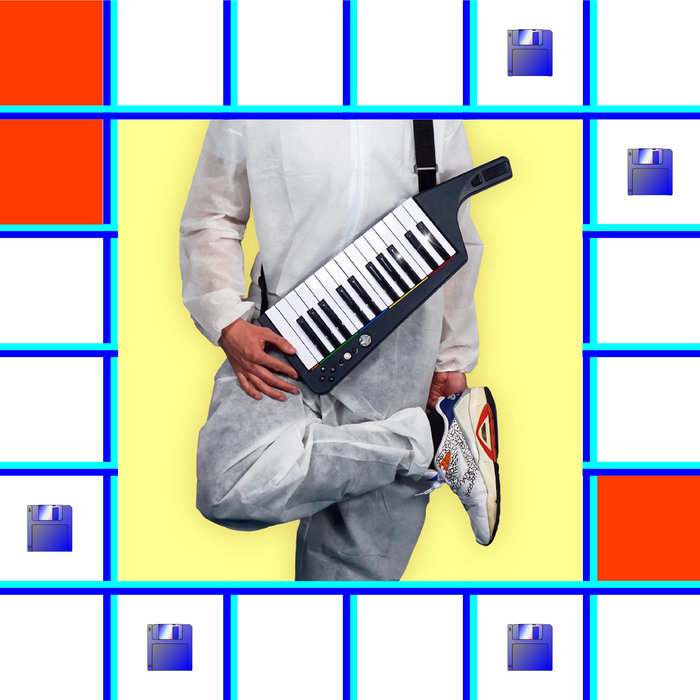
Diskette Deluxe is a lesser-known alias of Rutger Muller, a Dutch electroacoustic composer dedicated to exploring unfamiliar paths of sonic spatiality and digital cultures. Through his solo projects and the myriad of collaborations with contemporary classical musicians, Rutger combines and misplaces the elements of drone, dark ambient, techno and classical music in order to investigate and redefine the nature and wider context of their minimalist aesthetics, linking their expressive potential with complementary modes of their consumption and practices of participation. Diskette Deluxe represents a more whimsical side of Rutger’s work, which found its logical outlet in chiptune. His 2016 album “Space Tourism” features an adventurous collection of tracks that float between fakebit and audacity of synth-pop, lo-fi funk, Italo disco, and reflect Rutger’s fascination with gaming culture and its interaction with those elements in music we perceive as human.
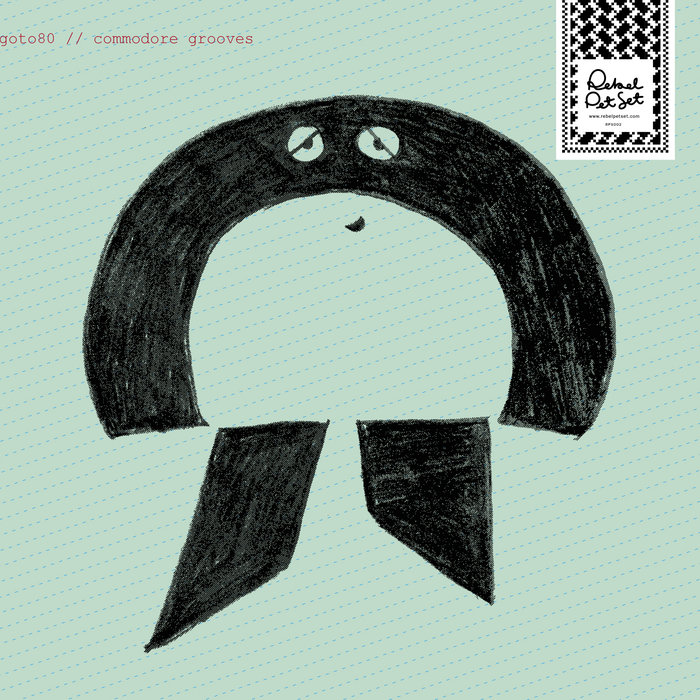
STM 298 is a pretty unique endeavor, the kind we had never had in our journal before, and a pretty bold one in that regard. Diskette Deluxe sums up the rich, versatile, and often underrepresented world of chiptune (8-bit) music, bringing it out from its closed subculture in the form of this challenging mix that is equally interested in conceptual and emotional nuances, as well as technical limitations of the genre and their creative potential. Starting off with retro-futuristic atmospheres of Goto 80’s “Break 3A”, the mix revisits every aspect of the chiptune culture – from the video game soundtracks such as Martin Iveson’s “Title” from the Commodore Amiga game “Jaguar XJ220” to demoscene experiments and the works of chiptune music artists such as dog++ that emerged from these influences, infusing them with synth-pop, prog or funk. While the first half of the mix maintains a relaxed, joyous and energetic vibe, later on, Diskette Deluxe introduces more distorted and glitchy sounds entwined with serene melodies and bright, complex instrumentations. The mix ends with an unexpected turn into raspy noise progression, like a knowing wink to Rutger Muller’s electroacoustic work. In this way, STM 298 draws parallels between different modes of creating music that are rooted in free improvisation, finding their ground either in subtle atmospheric oscillations or the magnitude of what could be expressed through sonic patterns.
In the records

Diskette Deluxe on the mix
The past 30 years, I’ve never been able to escape from the uplifting, funky energy of chiptune (8-bit) music, and I’ve never completely understood why. Perhaps chiptune holds the same aesthetic potential as pop music: it can be shamelessly affective and playful. Chiptune can give me goosebumps and make me cry, what more reasons do I need to enjoy it? Ironically, as an avant-garde composer, I’ve been doing the opposite: exploring sound that moves away from clear emotions, in order to find new spiritual depths. But I find that there is neither truth on the emotional nor on the abstract side of music: in the end, music and life are just absurd.
Kraftwerk said: “We always thought that many people are robots without knowing it. The interpreters of classical music, for example.” And that is precisely the paradoxical humour that made Kraftwerk human. In chiptune, there is no escaping from robotics: the textures are inhuman and inorganic by default, with each computer expressing a slightly different character (just like humans), unlike nowadays where all computers can sound like one another. I’ve always loved the Commodore Amiga character most, hence you’ll find many Amiga tracks in this mix.

My favourite chiptune has stolen all its influences (from pop, prog rock, funk, (italo) disco, reggae, baroque, Chinese music, and what not) and disregarded the idea to sound “human”, warm, organic, original, or any of those notions (which are often very esoterically misused anyway). The evolution of chiptune was powered partly by video game culture, and partly by hacker/cracker (demoscene) culture. I think composers on both sides of that spectrum had a healthy sense of absurdity: how else could you get the idea to translate the complex instrumentation of for example progressive rock music to computers that could produce only the simplest of sounds? The makers of chiptune composing software (trackers) were equally as creative, they implemented the sound design and composition tricks that still can’t be made with modern software to this day. Goethe said (freely translated): “It is precisely because of limitations that we can discover virtuosity.” Have fun!
Sources and image credits
- Photograph by Irina Volgareva. Digitally restored; obscured areas reconstructed.
- Original release artwork: Diskette Deluxe — Space Tourism.
- Original release artwork: Goto80 — Commodore Grooves.
- Original release artwork: Fearofdark — Exit Plan.
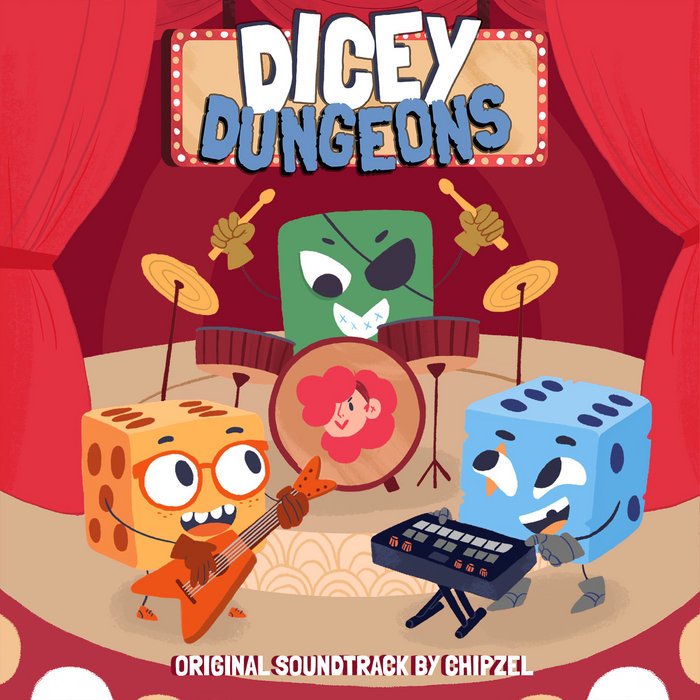
- Original release artwork: Chipzel — Dicey Dungeons Original Soundtrack.