Music / Review
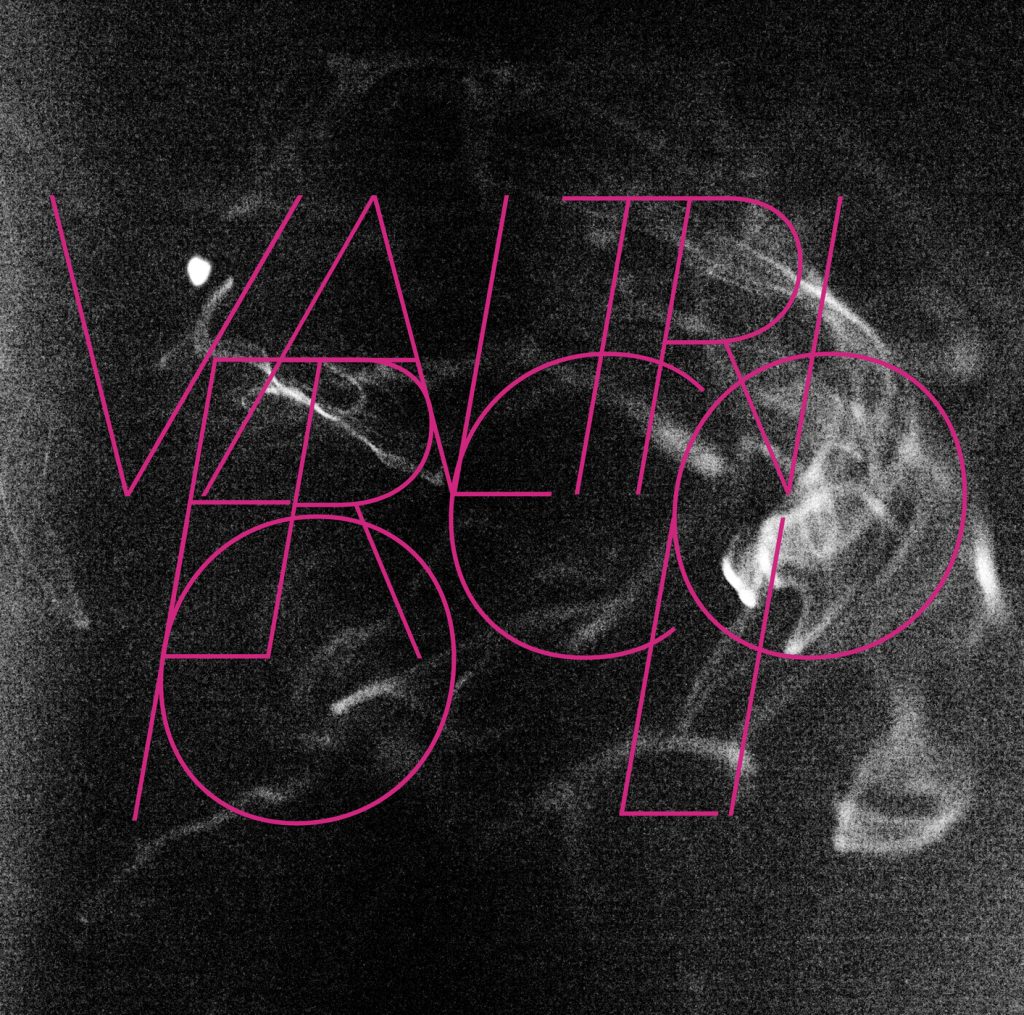
Valerio TricoliMiseri Lares
Valerio Tricoli’s Miseri Lares unfolds as a haunted house of psychological drama and musique concrète.
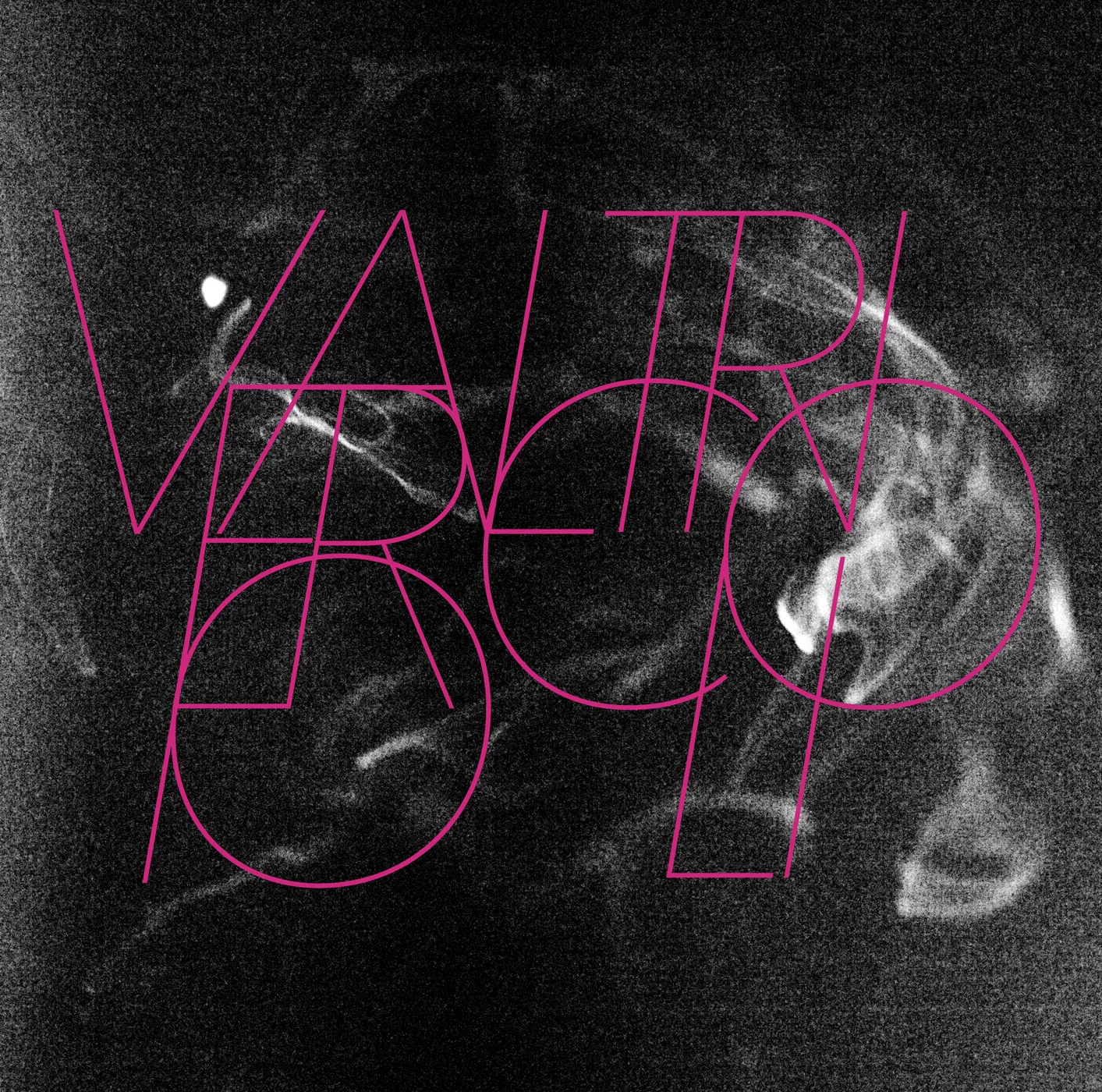
To take an hour and twenty minutes to listen to Valerio Tricoli’s new album for Pan, “Miseri Lares”, is to be led through a vibrantly morose house, sitting in a rotting field, touched by the sunrise with no sleep. Each of the rooms making up this house is unique, contributing to the album’s range of explorations into psychological drama. Doing an analysis of Henri Bergson, Gilles Deleuze writes about movement as the connective tissue that relates the set of immobile sections to the greater, dynamic whole and vice-versa. (1) Following this model, we can understand the whole of “Miseri Lares” to be constituted by musical movement between each of these febrile, swampy and colorful sonic rooms of its greater house.
The enigmatic whole that this process illustrates is contained in the album’s title: “Miseri Lares” translates to mean the household gods or ancestral spirits of misery. Defined more specifically, these household gods inhabit misery, wherein misery is taken figuratively to be a home: this album’s home (2). The rooms preexist the listening experience, and Valerio Tricoli passes us along between them in time, evoking a fantastical, fetid, and all-too-depleted environment through which it literally feels like the listener is walking, with drugged and measured steps.
There are a handful of main themes to be found in almost all of the rooms: synthetically treated wood hits, reminiscent of doors slamming or steps stepping; a kindling, small fire which warms the listener; simultaneously erotic and pained moans, recalling Freud; and mumbling in different languages, in half-finished sentences barely audible. They belie an efflorescent, dank mania simultaneously constituted by suffocation and the constancy of abruptness—moves to get out. These manifestations of the record’s domestic containedness suggest an overarching narrative: the extreme contestation of delirium pursued through total embrace of delirium. Radical purging through radical embrace.
In this pursuit, variation is key for “Miseri Lares”: the record remains unsettled. There are four languages at play in the album’s track titles, one alone not being expressive enough. Returning to our Bergsonian scenario, we can characterize the kind of movement at play: the record is always distracted by itself, by its own shifting rungs of content and musical or psychological signifiers. The movement behind things is freed up, like in schizophrenia or during an acid trip (3): signifiers are loosened from the symbolic chain and things resultingly merge and split apart, drifting and coalescing, burning into each other, burning out during indistinct life spans. In this record sounds erupt but they don’t leave immediately: their departure is always gradual and in due time… A slow fade that the listener can be comfortable with. They are not rushed; rather, sounds disappear when it feels right, with a gradual half-life depleting down to zero. New things replace them.
Notes
1. Deleuze, Gilles. Cinema 1: The Movement-Image. Trans. Hugh Tomlinson and Barbara
Habberjam. Minneapolis U of Minnesota, 1986. Print.
3. Chris Kraus writes in these terms about both acid and schizophrenia in I Love Dick. (Los Angeles: Semiotext(e), 2006. Print.) An exemplary quote: “LSD unlocks the freeze-frame mechanism behind our eyes, let’s us see that matter’s always moving.” (Kraus 220)