
MIKA
VAINIO
Pan Sonic / Ø / 1963–2017Industrial beginnings, improvisation, cinema and Beethoven in a thunderstorm. Radvilė Nakaitė’s conversation with Mika Vainio, preserved with a personal remembrance and a 2026 afterword.
A small cassette recorder, a table breaking under an excited audience, Beethoven played against an autumn thunderstorm: the details in this conversation are unusually vivid. Mika Vainio speaks about sound through things he has done and heard. The questions move from an industrial rehearsal room to cinema, paintings, chance and the simple difficulty of getting people to listen.
Radvilė Nakaitė spoke with him before his performance at Manggha Museum of Japanese Art and Technology in Kraków, in cooperation with Unsound. The festival’s archive places that concert on 13 October 2013. At the time, Vainio was looking back through recordings of Gagarin Kombinaatti, the group he had played in during the early 1980s, while discussing the recently released Monstrance, his collaboration with Joachim Nordwall. These are the circumstances of the interview; its references to yesterday, new records and future plans belong to 2013.
His work with Ilpo Väisänen in Pan Sonic had already made an extraordinary space for electronic music: severe, physical and capable of holding a room through very little material. His recordings as Ø, under his own name and with other musicians opened further possibilities. Yet the person encountered here is interested in much more than a recognisable sound. He talks about Rembrandt and Yoko Ono, Jamaican music and old blues, the pace of a film edit and ventilation systems heard at night.
Vainio died on 12 April 2017. We returned to this interview the following day, hoping that his words could remain available alongside the music. This 2026 edition keeps the complete exchange and Radvilė’s credit at its centre. A personal remembrance, photographs, selected recordings and a new afterword surround it. The intention is to give the conversation time and room, and to let Mika continue to speak for himself.
Introduction and archive edition by Justinas Mikulskis.
In this conversation
01 / The 2013 conversationIndustrial beginnings & improvisation
You have been involved in experimental/industrial scene since the early 80's. What are the key changes since those times when you started making music? Do you miss those pre-Pan Sonic times?
I don't really miss them. But there was some interesting things happening. From the year 1983 to 1985 I was a member of the industrial noise group called Gagarin Kombinaatti. We were using all kind of metal objects like shape metal, springs and tools, hammers and drills, also radios, tape loops, synthesizers and drum machines. I like that group a lot.
I have actually now all the cassettes, all the recordings we made in our rehearsals and I will start combining them and they will be released at some point. It's been quite funny to listen to those things.
What do you think about these recordings?
I'm surprised how much I liked them. They are very lo-fi, recorded with a small cassette player, but there are many tapes, over 20 cassettes, a lot of editing to do.
What space do you leave in your performances for improvisation?
When I play live there is always some improvisation, it depends on the project I am doing. When I'm playing solo there is maybe one third of it improvised. I have a clear structure, different pieces, but I can change the order of them or I can drop one out and choose another one instead. But there's always improvisation on top of them when I'm playing with those things.
And when you are performing with somebody else?
I'm in a group with Kevin Drumm, Axel Dörner, Lucio Capese and this is mainly improvisation when we play live. We have a loose structure, but then it's mainly improvised.
02 / The 2013 conversationAn audience, a room, a thunderstorm
Talking about the audience, do you see any changes between how it was in the early 80's and now? Are they colder, more apathetic or enjoying your music? What do you feel while performing?
The scene was quite sad in Finland in the 80's, there was not much audience for the kind of music we were making. A very narrow-minded scene, the rock scene, even if they were supposed to be open-minded they were opposite of that, I think. Most of them, not all, of course. Things then started changing around the early 90's. I think it's a lot better now, the whole scene is a lot more versatile and open-minded. But there are quite big differences between countries where you play. It seems that the more you go north, the more restricted people come, the more you go south, they are more open with their feelings. I played many times in Athens, Greece and it was quite intense. But the last Pan Sonic concert was quite crazy. People were slam-dancing and stage-diving and our table broke at some point because they were climbing the table. That was quite fun.
My favorite places to play maybe are Buenos Aires in Argentina (been there 3 times) and Japan. Because in both places people are very attentive, they are listening, they are truly interested in the music. The most annoying situation is when there are people who just come to hang around and talk to each other, who don't care much about music.
Yesterday (12.10.2013) in Wroclaw it was very nice, people were totally quiet and listening. It's not very usual.
So what do you prefer – those quiet people or those partying people going crazy?
It's fun if they go crazy if it's connected to what you are doing, to music. But then if they are just not caring about music, just making a noise when there is a quiet moment in a set or whatever, then it's annoying.
What was the best sonic experience you’ve ever had?
There were some wonderful thunderstorms. Hard to choose... When I lived in Barcelona, in autumn there were massive thunderstorms. It was really nice. And you play some classical music like Beethoven really loud at the same time and watch all the thundering and lightning.
“There were some wonderful thunderstorms.”
03 / The 2013 conversationCinema, art, chance & the city
What are the differences between cities you’ve lived in? Do they influence your music?
Sure that they influence, but it's not so direct, it's not something I could point out, I think it's a bit simplistic to think like that. Because when I'm in Finland I make music which has wide spaces. I'm getting a lot of influences from many kinds of things, also a lot from the visual things. Movies are the big influence.
What do you like in movies, directors, movements?
I get a lot of ideas from how things are edited, how some directors combine the fast moment to a slow moment, the mix of the visuals can be very inspiring. The classics, what I've been watching for the last 30 years, are Tarkovsky's movies and Kieslowski is great, I like David Lynch but not everything, but I like a lot anyway. Of the more new directors I like some films of Park Chan Wook from South Korea, Nicolas Winding Refn from Denmark is really good.
So you pay attention to editing and all the technical stuff in the movies.
Oh, it's not the most important. Different movies can work on different levels. For some movies it's the story and the script which is the most important. For some movies it's the visuals. Of course sometimes they have really great soundtracks too.
Are there any public figures that impress you and inspire your works? Maybe somebody from the depths of history, their thoughts?
Yes, and their artworks. William Blake is one of them, also I like a lot of paintings by Rembrandt. Of the more modern I like paintings of Francis Bacon, they are the big influence. Joseph Beuys was great, and artists of the Fluxus movement, Yoko Ono has wonderful works.
Do you believe in destiny, fatalism, in God?
I cannot say I believe in it. Then it is a question of how we describe God. But not in a traditional sense, no. Sometimes I feel like there is no destiny, everything is up to chances. If you are crossing the street, but then the traffic light changes and the whole rest of your life changed. And then again, it's quite a scary idea. You don't know what's happening next, if you start thinking of that too much.
Do you like recording sounds in strange places?
Sometimes I use environmental sounds and acoustic sounds. I make sound installations. One of them was constructed of sounds I made in Barcelona in which I recorded air ventilation systems of factories and warehouses. A couple of weeks ago I used to go out to record every night, because it's more quiet, not so much traffic. Then I edited a piece about it.
04 / The 2013 conversationCollaboration & the effort of listening
You just released a new album with Joachim Nordwall. Could you tell us more about this release. How did it come about?
I’ve known Joachim for a long time and we had an idea to do something together. We did not do much planning before we went to the studio. We had only one track – the first track ready before the idea of it, but everything else happened on that one day at the studio.
So it was also improvised?
Yes, it was quite improvised.
Maybe it is a provocative question, but what do you think about stupidity? Don't you think, that it is a wide spreading 21st century disease?
I think it's a disease of the whole history of humankind. Greed and stupidity. There is always this hand full of people, who are clever and they have the power to rule over others. Everyone is so stupid that they believe and follow them.
A lot of people watch stupid videos on Youtube and checking stupid blogs, it's getting more and more popular. It's so-called shitcore and it's spreading, why you think it's working that way?
It's easy and the same is true with music. Most of the people just don't bother to make an effort and to listen to anything. And what matters is the product, how it looks like, the image of the artist. Many people just don't care about the music.
Or maybe it's just because of the technology? Nowadays everyone can make music.
That's true also. But in general, I think it's just mainly that most of all the visual things and music is so bad and boring, because people are too lazy to make an effort, concentrate a little bit, do something a little deeper.
Do you have time to listen to music at home?
I listen to a lot of music. I've always been listening to all kinds of music. A lot of classical, certain kind of heavy metal, ethnical music, far East and Africa. I like Jamaican music from early 60's to mid 70's – ska, rocksteady and early reggae. Also I really like old blues, acoustic blues.
At the same table
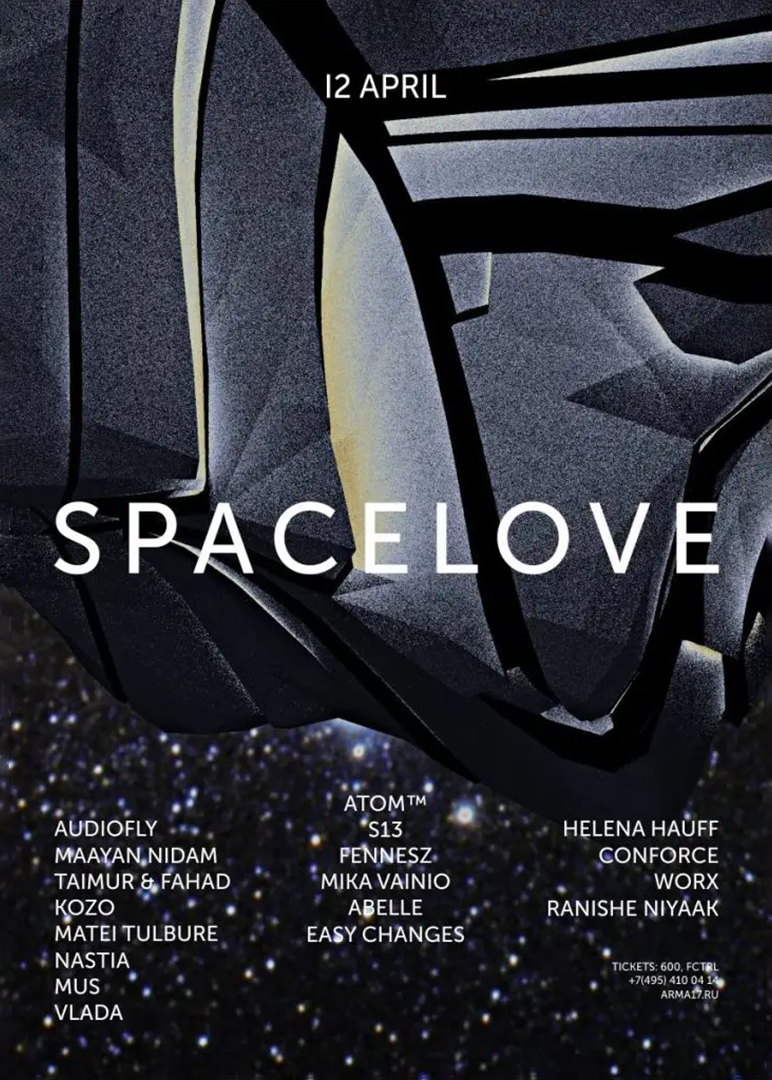
Mika had been a musical reference point for me since my early youth, long before we met. My last meeting with him was around the Spacelove night at Arma17 in 2014, where I had been invited to DJ. I remember us sitting together in an unfamiliar, dark bar: Mika, Helena Hauff, Conforce and me.
What has stayed with me is a small exchange about tattoos. He showed me his; I showed him mine. We talked about Secret Thirteen, and that was how a connection began. Looking back, I value the ordinariness of that moment. Someone whose music had meant so much to me was sitting across the table, sharing something of himself.
Radvilė’s interview became part of the journal’s connection with him. In our conversations, Mika would also return to the possibility of a mix, even though making one was not something he generally did. It remained a possibility, and sadly never became a recording. I remember the openness of that exchange as much as the prospect of what it might have produced.
Keeping this interview here matters to me for both reasons: the work, and the person I briefly knew through it. I want someone discovering Mika for the first time to find his words, follow the recordings and spend some time with them.
The attention that remains
Returning to these answers in 2026, I am struck by how often Mika comes back to attention. A silent audience in Wrocław and a chaotic Pan Sonic concert can both be good experiences. What matters is whether people are responding to the music. He leaves room for very different ways of being together around sound, provided that the connection is there.
The same openness appears in his account of improvisation. A solo set has a structure, but its pieces can move, disappear or be replaced. With other musicians, a loose framework gives way to collective decisions. These answers make his precision feel human: it depends on listening, adjustment and the courage to leave a choice open until the moment arrives.
Pan Sonic remains central to that legacy, and it is important to remember the collaboration. Mika and Ilpo Väisänen made the work together; the early Panasonic recordings also include Sami Salo. The scale of Kesto, issued in 2004 across four discs, is one way to approach their range. The early Panasonic material reissued by Sähkö in July 2026 offers another. Hearing different periods beside one another gives their history more space than a single account of minimalism or noise can provide.
The solo records also need that space. Metri and Kantamoinen lead into different periods of the Ø catalogue, both available again through Sähkö editions in 2026. The Gagarin Kombinaatti tapes mentioned at the beginning of the interview eventually became 83–85, edited by Mika from the original cassettes. There is something moving in returning to his pleasure at rediscovering them. He was listening back to his own beginnings with curiosity; that act of listening became work that others could hear.
The archive continues beyond records. Kiasma’s 50 Hz exhibition in 2020–2021 brought his sound installations into focus, including 2 x 540 kHz. This matters to the conversation about ventilation systems, buildings and visual art. His practice could change the way a space was heard. Remembering that part of it helps keep the breadth of his work present alongside the better-known releases.
There is also a difference between new music by someone who is still here and work that reaches us after their death. Sysivalo was recorded in Berlin and Oslo between 2014 and 2017 and released in September 2025. Rikke Lundgreen and Tommi Grönlund compiled it according to Mika’s notes. Those credits are part of the record’s meaning: they tell us how the work reached listeners, and who cared for it. Likewise, Last Live preserves his February 2017 concert at Cave12, made public in 2021. These releases give us more to hear while making his absence newly tangible.
For me, that absence is in the conversations that cannot continue, the possible mix that never arrived and the next performance we will never hear. A catalogue can be preserved with care, but it cannot supply those encounters. The photograph, the shared table and the few words exchanged remain small, particular memories beside a much larger body of work.
Radvilė’s questions allow more of him to stay in view: his humour, his impatience, his many enthusiasms and his uncertainty about chance. I keep returning to the image of Beethoven and the Barcelona thunderstorm. It suggests a listener willing to let music meet the world outside it. That is a good place to leave this page open: with the recordings close by, and enough time to listen.
Recordings to return to
A path through the early groups, Ø, Pan Sonic and later collaborations. Recording dates and current editions are distinguished below; this is a selection, not a complete discography.
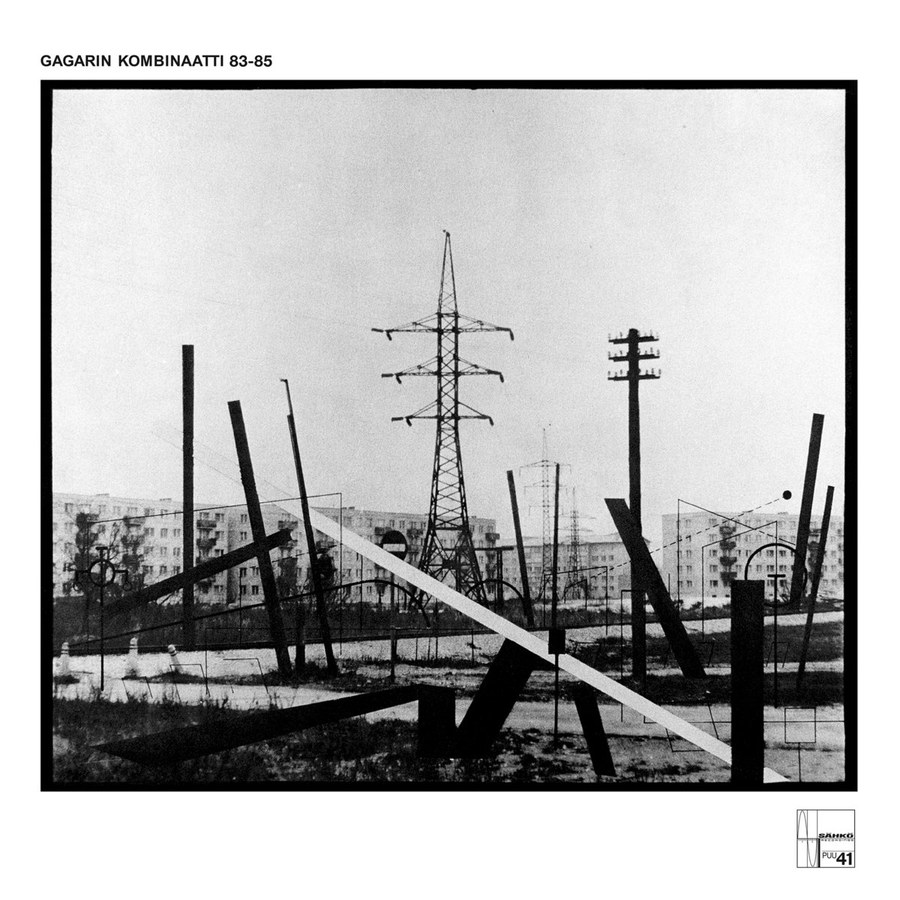
Gagarin Kombinaatti — 83–85
The rehearsal tapes Mika is preparing to revisit in the opening answers. He edited the original recordings in 2014–2015; this edition lets us follow that unfinished thought into the released music.
Sleeve artwork: Jüri Okas. Graphic design: Tommi Grönlund.
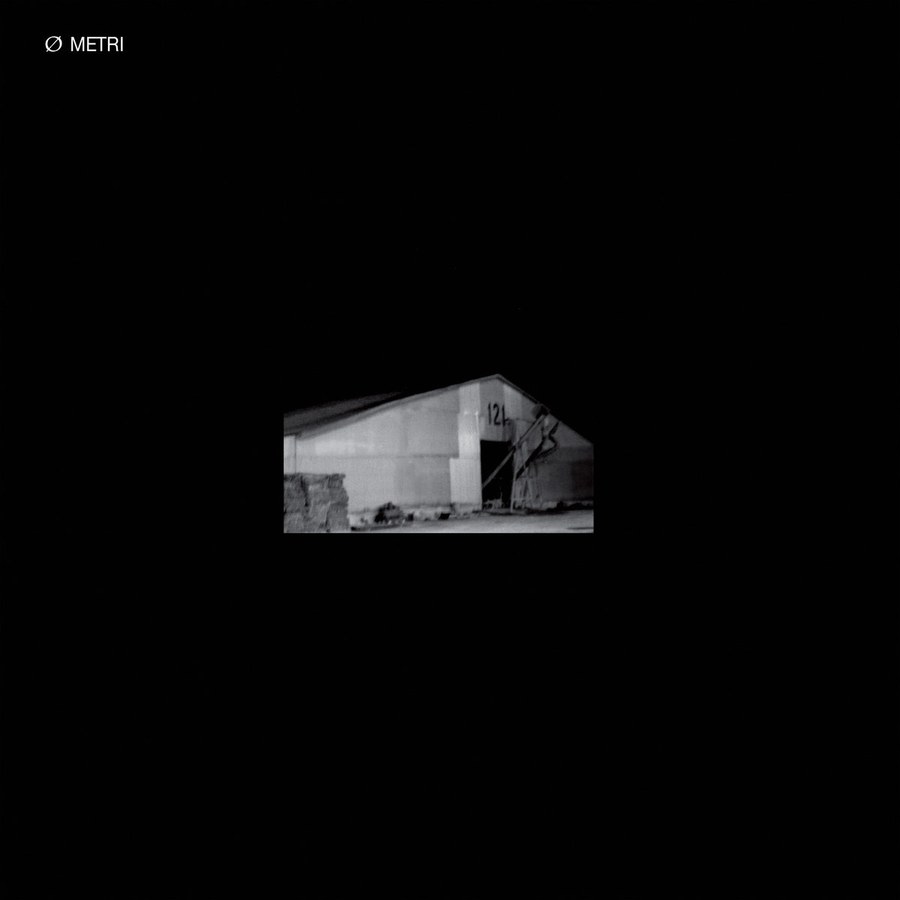
Ø — Metri
A route into the early Ø recordings, made in Turku in 1993 and recorded live to DAT. The current edition credits a 2025 remaster by Rashad Becker and includes material sourced from the original studio tapes.
Sleeve photograph and print: Mika Vainio. Graphic design: Tommi Grönlund.
Panasonic — Panasonic
Mika Vainio, Sami Salo and Ilpo Väisänen on the early Muuntaja and Murtaja recordings. A 2026 remaster of historical work, preserving the trio behind this part of the Pan Sonic story.
Artwork: Tommi Grönlund.
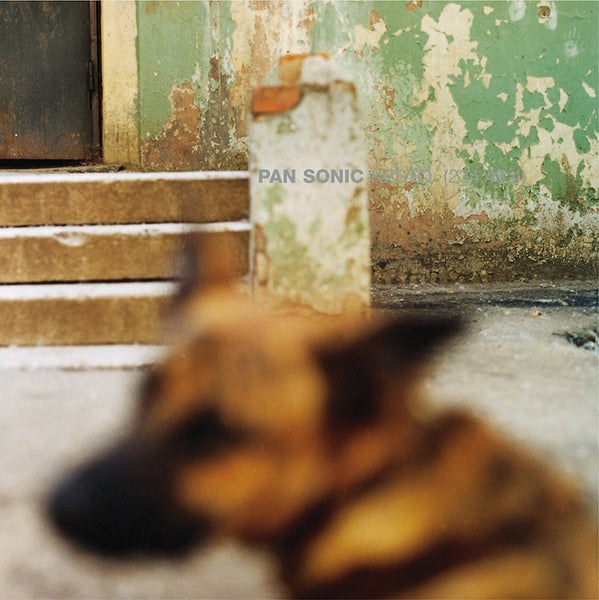
Pan Sonic — Kesto (234.48:4)
The four-disc Pan Sonic album gives an extended setting for the duo’s work. Set aside time for its different scales and durations alongside Mika’s account of how a performance can unfold.
Artwork reproduced from the official Mute Bank edition.
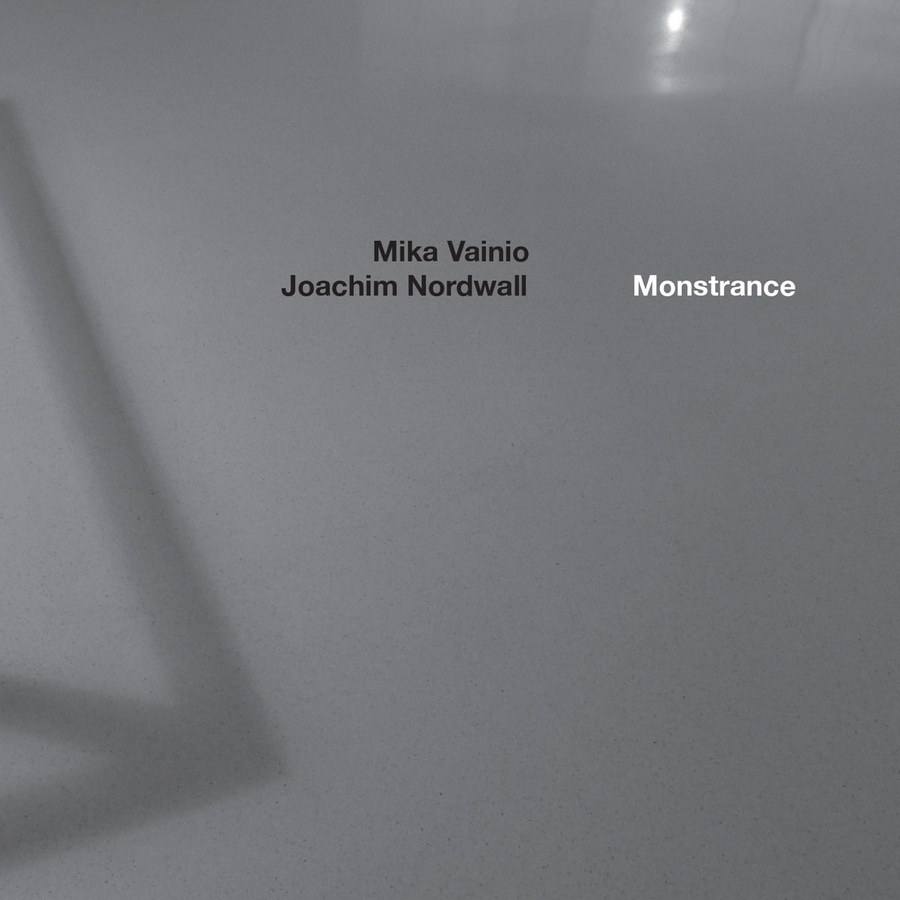
Mika Vainio & Joachim Nordwall — Monstrance
The collaboration discussed directly in the interview. Guitar, electronics, organ and metal percussion meet in a session recorded over one day at Studio Schwedenstrasse in Berlin.
Artwork and photography: Jon Wozencroft.
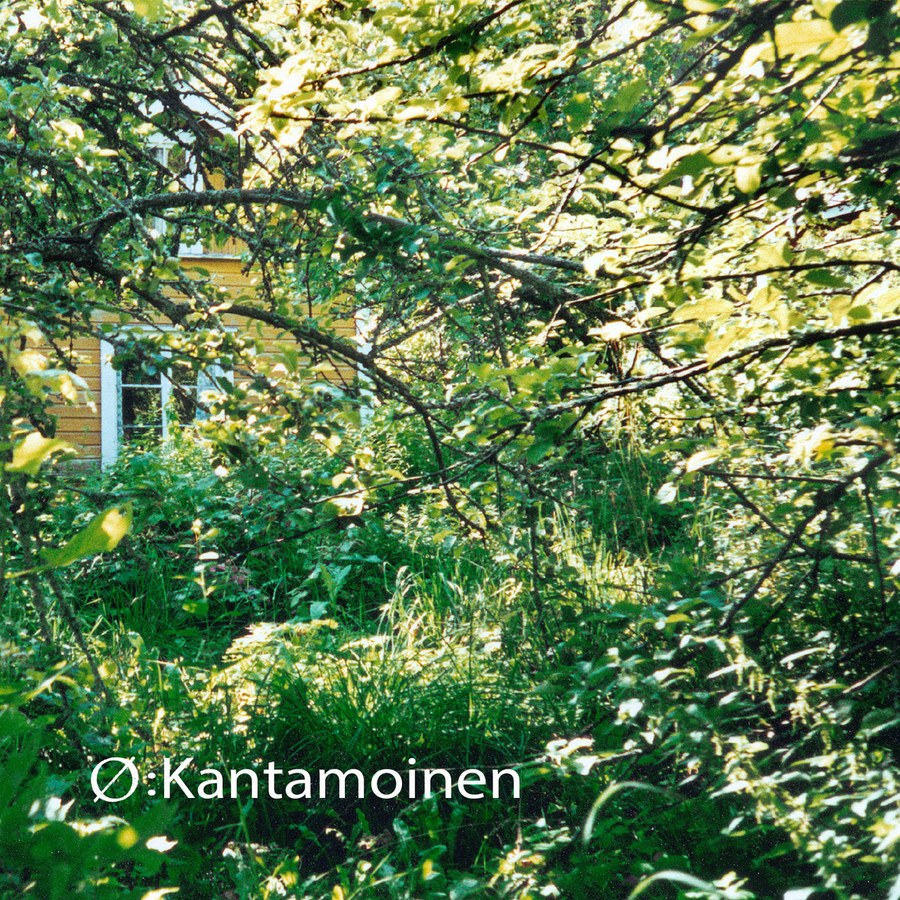
Ø — Kantamoinen
Recorded across Barcelona, Vienna and Berlin between 1999 and 2004. The sleeve shows Vainio’s grandmother’s house in southern Finland; the label’s notes connect some of the music to childhood memories.
Front photograph: Kalle Vainio. Design: Mika Vainio and Tommi Grönlund.
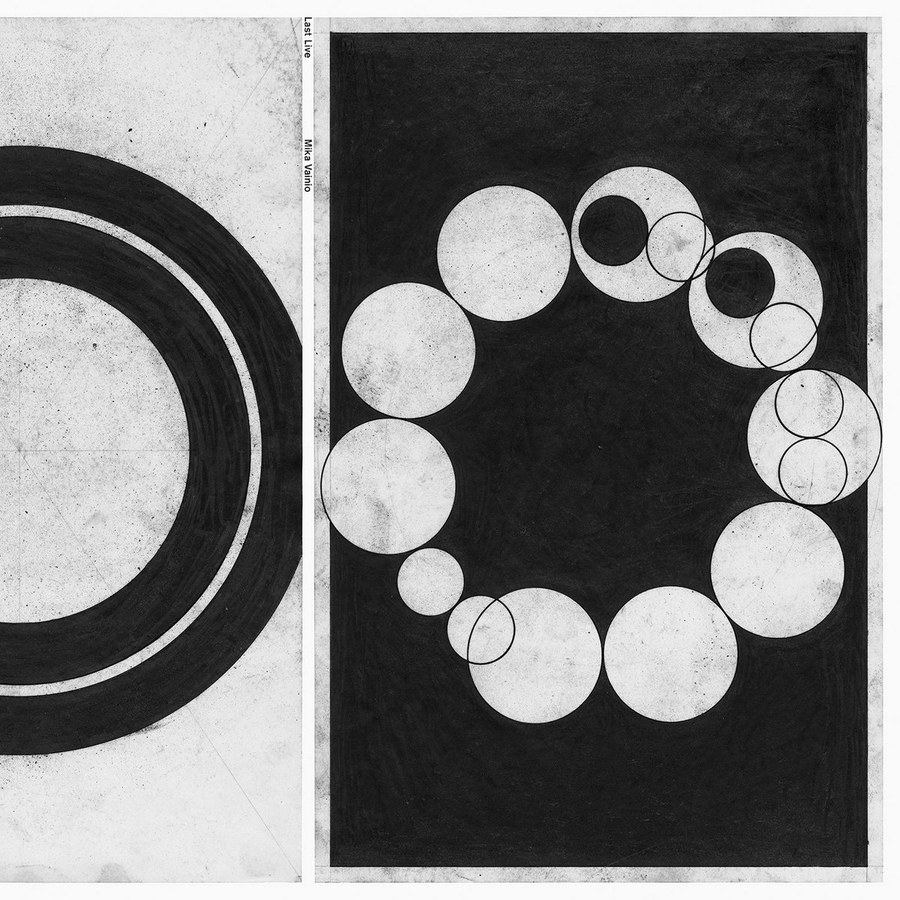
Mika Vainio — Last Live
His final concert, recorded at Cave12 in Geneva. The posthumous edition was edited by Stephen O’Malley and Carl Michael von Hausswolff and mastered by Denis Blackham.
Artwork: Franz Graf; Mika Vainio Archive, Oslo; C. M. von Hausswolff collection.
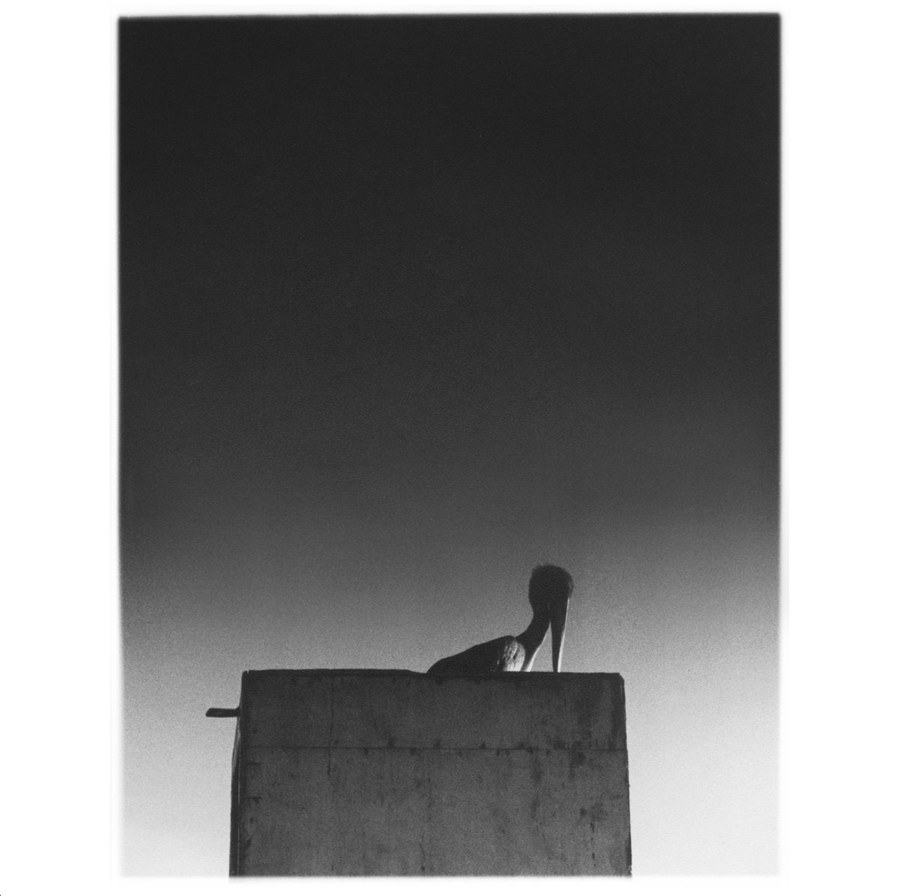
Ø — Sysivalo
Twenty pieces compiled after Mika’s death by Rikke Lundgreen and Tommi Grönlund according to his notes. A late Ø album whose path to release is inseparable from the care given to his archive.
Front photograph and print: Mika Vainio. Sleeve: Tommi Grönlund.
The work beyond the record
Sound art / 50 Hz
Kiasma’s 2020–2021 exhibition brought Vainio’s installations into focus. Its documentation offers another route into his use of urban sound, space and silence.
Kiasma exhibition archiveThe artist’s archive
Biographical information, collaborations, installation work and discography on Mika Vainio’s official website.
Mika Vainio / Official archiveFrom the original archive
The original introduction / 2013
In cooperation with Unsound festival we proudly present an exclusive short interview with Mika Vainio, also known as Ø, a member of Finnish experimental electronic music duo Pan Sonic (formerly Panasonic). Just before his live performance at Manngha Museum of Japanese Art and Technology in Krakow, Vainio recalled the beginning of his career, defined the change in audience, shared his personal opinion about contemporary life and his major influences.
The memorial note / 13 April 2017
We hoped to hear a lot more from the great Mika, including a mix for Secret Thirteen, which sadly never came to be. The man has passed away to the great detriment of music and art in general. On this unfortunate occasion we decided to bring to light our old and perhaps somewhat short interview. One mental image that sticks with us is Mika listening to Beethoven through a glorious autumn thunderstorm in Barcelona. Surely, there is a sublime tempest brewing on the other side tonight!
About this 2026 edition / Credits & sources
The complete 19-question interview by Radvilė Nakaitė remains in its original order and wording. The conversation took place at Unsound Kraków in October 2013; the festival programme dates Mika’s Manggha performance to 13 October. This WordPress page retains its memorial republication date, 13 April 2017, and its original URL. References to forthcoming releases and contemporary events in the interview belong to 2013.
The new introduction, personal remembrance and 2026 afterword are by Justinas Mikulskis. The remembrance is his own recollection. The Spacelove poster is from his personal archive; the organiser’s archived event listing confirms 12 April 2014 and the billed artists. The poster is reproduced with its original texture and typography. The original introduction and the 2017 editorial note are preserved above.
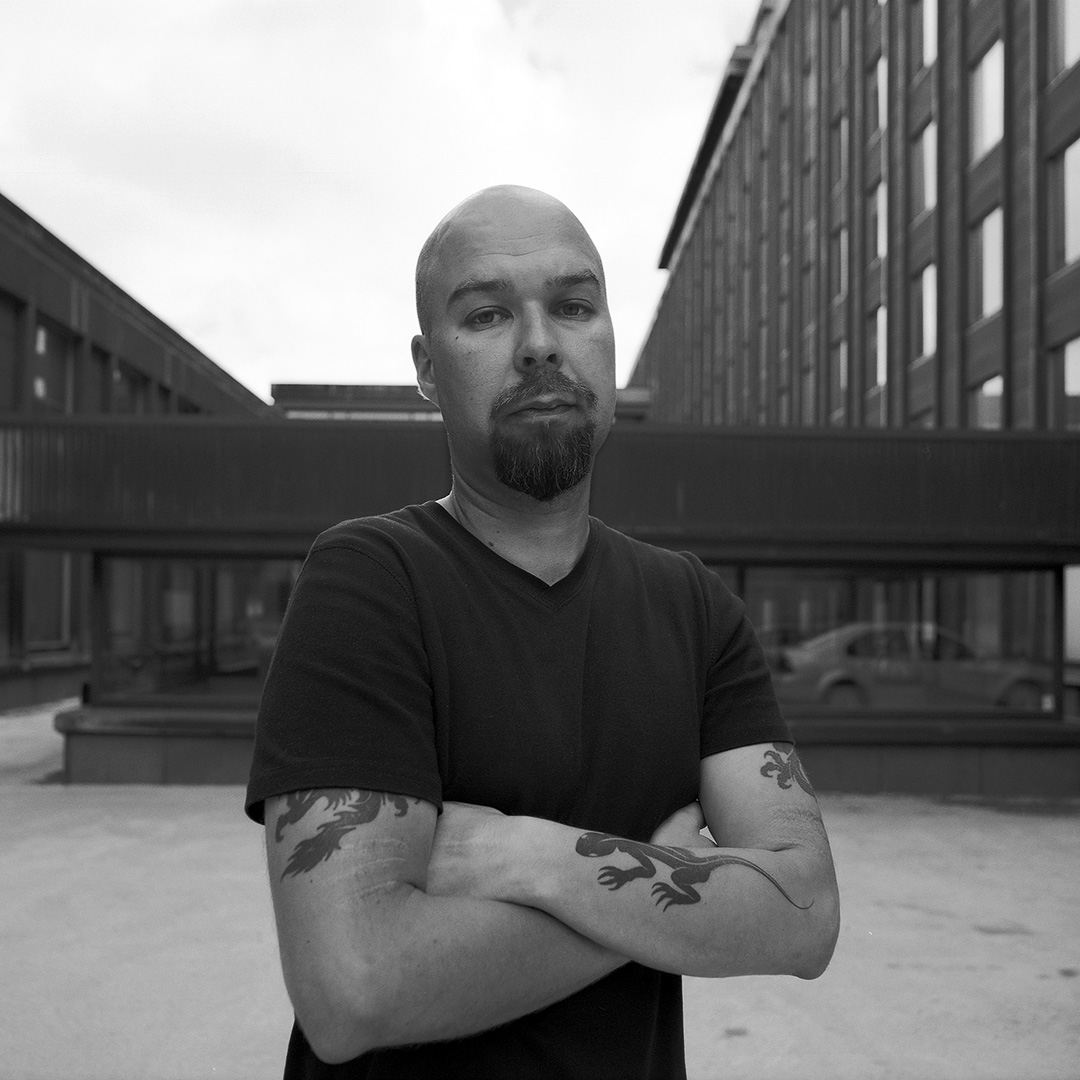
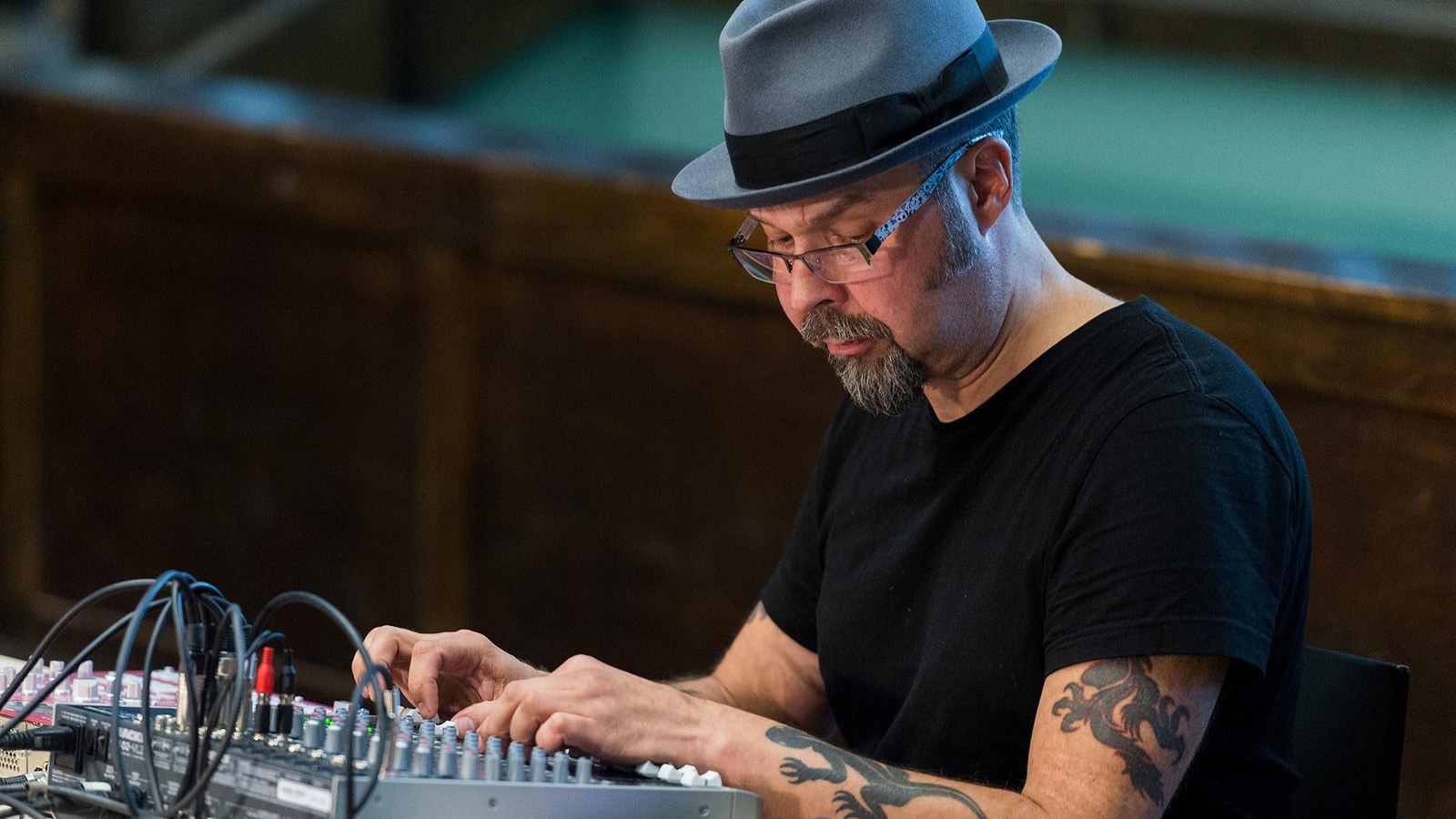
The full portrait by Tommi Grönlund is reproduced from the Secret Thirteen archive without generative alteration. The separate 16:9 featured image is an AI-assisted adaptation of that photograph. The Oslo photograph is by Annar Bjørgli / Nasjonalmuseet for kunst, arkitektur og design, sourced from Kiasma’s exhibition documentation. Album covers retain their original artwork and link to official release pages with credits. Newly added image files are hosted in the Secret Thirteen Media Library.

14 Comments
Pingback: 30 Prominent Records of 2013 | Secret Thirteen
Pingback: Secret Thireen Mix 105 - Sturqen | Secret Thirteen
Pingback: Sturqen - Neophobia - Kvitnu | Secret Thirteen
Pingback: Pan Sonic - Okstastus - Kvitnu | Secret Thirteen
Pingback: Secret Thirteen Mix 108 - Kangding Ray | Secret Thirteen
Pingback: ÄÄNIPÄÄ – Through A Pre-Memory - Editions Mego | Secret Thirteen
Pingback: Secret Thirteen Guide 008 - Nikita Manin | Secret Thirteen
Pingback: Secret Thirteen Mix 116 - AnD | Secret Thirteen
Pingback: Unsound - where time is truly irrelevant | Secret Thirteen - Infinite Music and Art Journal
Pingback: Rrose - Secret Thirteen Mix 065 | Secret Thirteen - Infinite Music and Art Journal
Pingback: S13 - Arma Podcast 144 | Secret Thirteen
Pingback: Blanck Mass - Secret Thirteen Mix 155 | Secret Thirteen
Pingback: Discipula - Secret Thirteen Mix 164 | Secret Thirteen
Pingback: Prequel Tapes - Secret Thirteen Mix 167 | Secret Thirteen