Kye
ROOM FOR THE UNEXPECTED
Graham Lambkin on musical beginnings, unexpected discoveries and the physical life of Kye records. The original 2013 conversation accompanies his eleven-track selection.
Listen to the mix
Kye is an experimental music record label based in Poughkeepsie, New York, United States. It is curated by Graham Lambkin – writer, painter and musician, who became notable, when at the age 19 formed an influential avantgarde group The Shadow Ring (1993 – 2003). Kye was started in 2001 with “Poem (For Voice & Tape)” release as a platform to promote Graham Lambkin’s own creations. Then 6 years of lethargy followed after which Lambkin returned with his record “Salmon Run” and decided to release works by other sophisticated artists he adores. Reissue of selected works by Moniek Darge was an essential step for the label to get under die-hard music collectors spotlight. With the great help from Penultimate Press, Kye began to grow and expand. By re-realising timeless works by Moniek Darge, Henning Christiansen, Anton Heyboer and presenting new names such as Good Area, Astor, Helm, Vanessa Rossetto the label gradually formed a rich, strangely captivating and involving music catalog. It is important to mention that all Kye’s releases are in vinyl format, what shows their solidness and emphasizes their identity much more. The label doesn’t plan much for the future, everything goes spontaneously and there is always space for unpredictability.
Before starting to read Graham Lambkin exclusive interview, don’t hesitate to download or stream his special mix compiled from his label’s catalog.
01Musical beginnings and the label
Can you tell us a bit about your background? Where did you studied and who influenced you to explore music? How important is it to you?
I have no academic musical training. My interest in music began through the discovery of people like Bolan, Bowie, Roxy Music, Eno, Velvet Underground, The Stooges -all the obvious teenage touchstones, and just expanded from there. That was a very important, exciting time of discovery and development.
First Kye releases were your own. Was it a pre-planned label? Did it have the initial vision what will it become after some time? What is Kye’s future vision (developments, formats, releases)?
Kye was started as a platform to promote my own music. The first release, ‘Poem (For Voice & Tape)’ LP came out in 2001. There then followed a six year period of inactivity before 2007’s ‘Salmon Run’. It was only then I decided it would be nice to make the label larger than a vehicle purely to serve my own interests. I got in touch with Moniek Darge and asked if she’d be interested in working with us, and it grew from there. I don’t plan further than a few months ahead so I have no definite idea as to what the next year will bring.
Who are the people presented in your catalogue? Are they your colleagues, people you met along the way or inspiring artists that you heard live? How are you related to them? What is special about them?
Our release schedule tries to reflect a balance between new artists who are otherwise little known such as Good Area and Astor, established artists I consider of some importance/influence: Darge, Christiansen, Heyboer, and then my own material. This hopefully keeps Kye from leaning too heavily in one direction and makes for a richer discography.

02Artists, reissues and physical objects
How would you define your catalogue in terms of genre? Does it have some kind of basis on which Kye released music stands? In general, what do you think of categorization of music and constant coining of new genres? Why is it useful?
I don’t pay any attention to genres or categorizations. I’ll leave that for other people to pontificate over. You can put me in a box when I’m done.
There are re-releases in your catalogue as well. Looking from your perspective, what is the purpose of it? Is it a proof of label competitiveness in nowadays scene or more emotional nostalgia for die hard collectors?
Kye is not competitive. We do our own thing in our own space, although we share certain aesthetic values with some other labels, particularly Penultimate Press in London, who we work with. All the reissue programming we’ve done so far has been to salute artists I personally hold in high regard and that have been an influence. I see it as an opportunity to repay a debt of thanks.
All your releases are in physical format and no digital formants are available. Why? What is your opinion about digitalization?
If people are kind enough to send me money I think it’s important that they get an actual physical object back in return. I’ve never looked into digital formatting for Kye release so I don’t hold a very strong position on the subject.
03Difficulties, design and new work
What are the key difficulties you face in running a label?
Telling noise artists from Eastern Europe that I cannot serve them at this time.
In terms of visual presentation, there are no specific defined design patterns for Kye releases. How do you come up with idea about the release design? Is it done by designer or artists? Do you agree that releases (e.g. digital) lose much without their visual representation?
Unless it’s a release I have a direct involvement in, I leave all the design decisions to the artist. I think it’s important for them to know how they want their music dressed as this can impact the way an audience judges the final release. So for that reason, I think, digital formats suffer. After all, there’s not much aesthetic beauty watching an mp3 file load into an iPod.
Could you tell us more about forthcoming releases and why they are special and exceptional?
The next release is a 2LP by the late Dutch artist Anton Heyboer called ‘Rules Of The Universe’. This is a very special release, not only because his audio work is so unique and compelling, but also because it’s the first time since 1976 that Heyboer has had his work available on vinyl. Beyond that we have the second LP by Astor called ‘In Land’ which is even more outstanding than the debut ‘Alcor’ LP. I also have a new 7″ coupling: ‘Abersayne’, a highly emotional love song, and ‘Attersaye’ a memorial to a totaled automobile. That will be out around October.
04Records in the mix
Selected releases represented in the original mix.
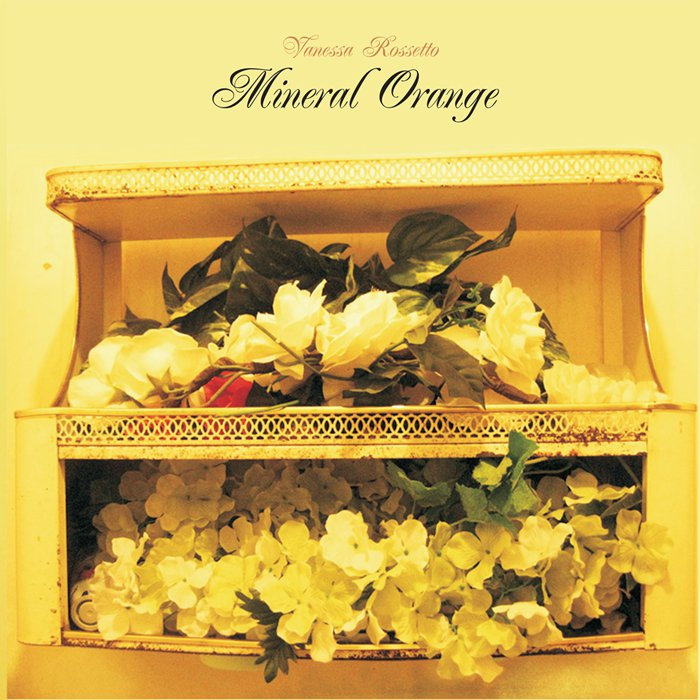
Swim Bladder is the third selection in the mix. The album brings Rossetto’s field recordings into the conversation about the label and its approach to sound.
Original release artwork
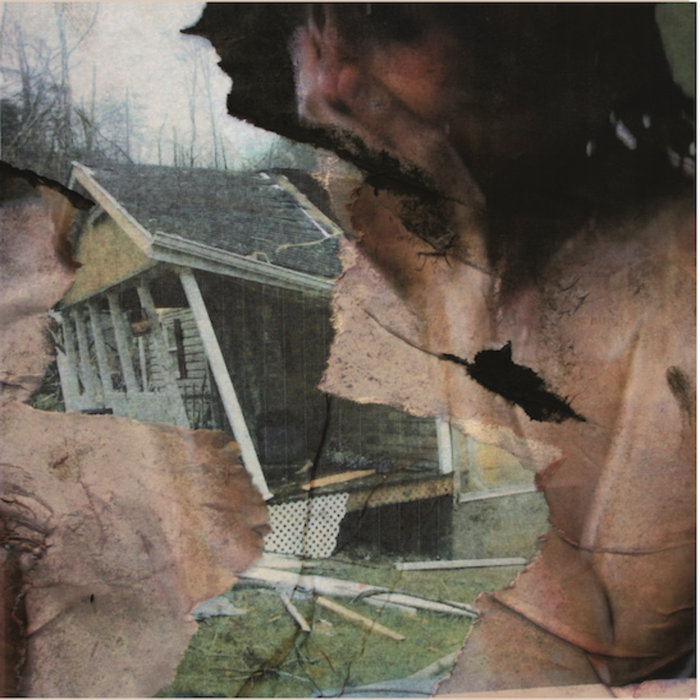
An excerpt from Manhunter sits at the centre of Lambkin’s selection. The full album provides a longer listening context for this passage through Kye’s catalogue.
Original release artwork
Lambkin includes an excerpt from his own album. Domestic voices, recorded music and the sound of travel meet across its two sides.
Original release artwork
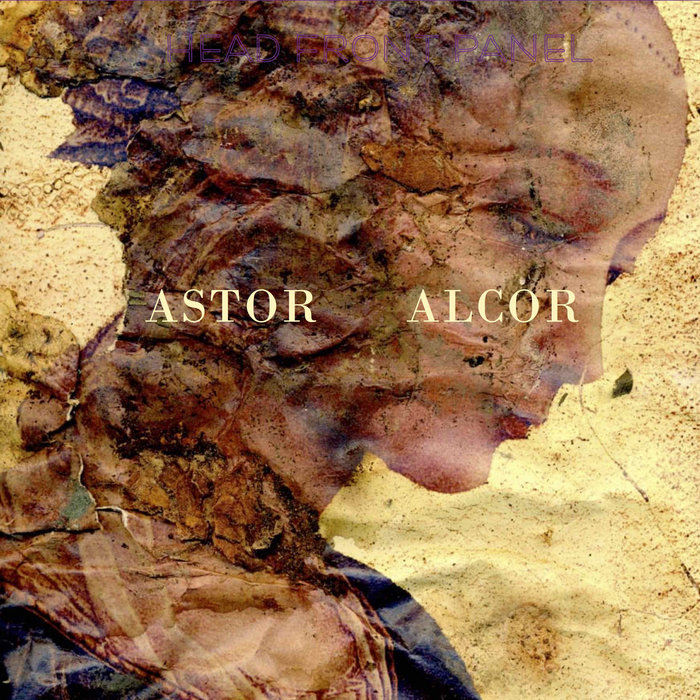
Q is the second piece in the mix. Astor’s debut brings field recordings, electronics and piano into Kye’s catalogue.
Original release artwork
Sources and image credits
- Original interview: DJ S13. First published 2013-09-14. References to releases, events and future plans preserve the original publication’s historical context.
- Original label identity, interview and exclusive mix: Secret Thirteen archive.
- Graham Lambkin portrait: Folkestone, 2013; photo by Adris Hoyos. The archival source was conservatively restored with AI assistance; composition retained.
- Release artwork and track identification: Vanessa Rossetto — Mineral Orange.
- Release artwork and track identification: James Rushford & Joe Talia — Manhunter.
- Release artwork and track identification: Graham Lambkin — Amateur Doubles.
- Release artwork and track identification: Astor — Alcor.