


Interview
Haus Arafna Angst Pop and the Simplicity of Black
On anger, beauty, self-imposed limits and the meaning a sound can carry. Haus Arafna’s complete 2013 conversation is followed by a separate 2026 editorial and dated recordings.
Read the conversation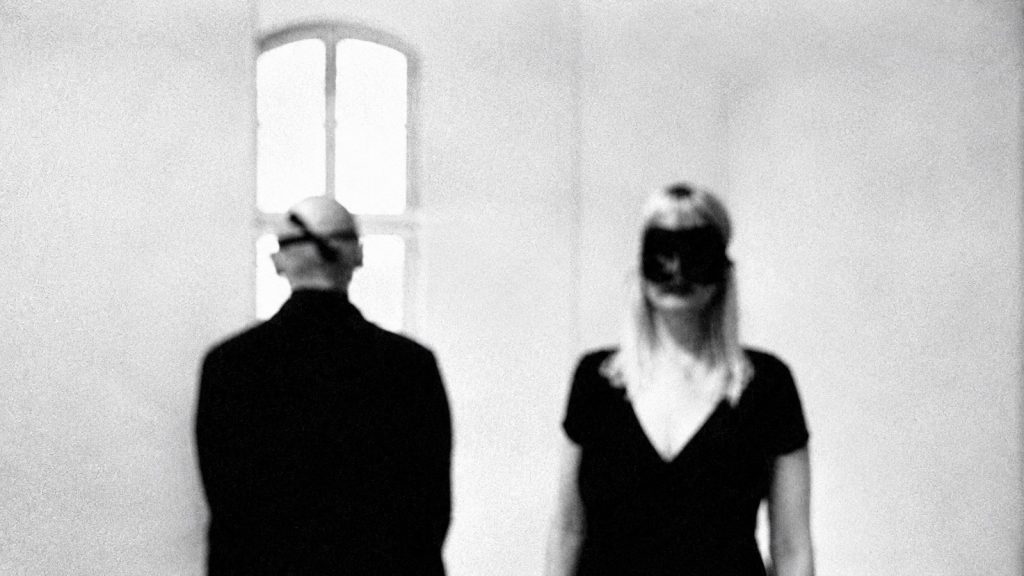
Haus Arafna talks about their creative impulses, the simplicity of black, Dostoyevsky and other issues behind and within their music in this exclusive interview.
Shaping the vague life concrete – an interview with angst pop architects Haus Arafna
The German angst pop/industrial innovators Haus Arafna seemed to be standing on the edge of two worlds. Employing the harshness and roughness of industrial/noise sonic pallette and more subtle sounds of post punk/minimal wave, they created their own world of refined extremity. This allows their music to be charged with different emotions. Their cold and monolith compositions sometime sting like needles, while in other cases show the path to their unique sonic world, where anger stands next to melancholy and poeticism. This creates an intense, artistic soundworld with strong atmosphere and impressive narratives. All this is documented in such unique and distinct releases as “Butterfly”, “You”, “New York Rhapsody” all of them released on their own Galakthorrö label.
In this exclusive interview the duo talks about the failures of mankind, the simplicity of black color, creative impulses and other issues behind and within their music.
01Emotion, instinct and angst pop
Your music sometimes sounds like an angry explosion of negative emotions (anger, aggression, depression, cold harsh electronic sounds). Do you find a kind of aesthetics in it or does your music not supposed to be beautiful? What do you think is the role of those emotions in art/life? Is there some light in your music as well?
It’s important to know for this kind of questions from which musical background we come from. We grew up on post punk/wave/industrial, so this kind of music isn’t negative at all for our taste. It’s just ‘normal’ for us, nevertheless, this kind of music is negative in all objectivity, of course.
The positive effect of aggressive or sad music is, that you are able to reduce aggression or sadness through it. Our listeners are usually nice and handsome guys, since their negative thoughts and emotions were converted in positive energy by the cathartic impact of our music.
In one interview you said about music “Art is in the eye of the beholder, but we think music should be more than entertainment”. Could you tell us what kind of energy and meaning a track should transfer? Could a piece of music change listener’s way of life? Maybe you could provide specific examples.
Many things are possible with music and everything, even details can change someone’s life. We don’t even have the power over it.
What role does your art do to you? Is it a type of therapy for cleaning yourself by expressing emotions? What part of your personality do you try to channel? What impact are you trying to create for the listener? What is your intended relation to him/her?
We use to work up different things, get energy and strength from making music or writing lyrics. It makes us to suffuse with happiness, especially when a new promising piece of sound or music comes to us. Over time that good feeling has become essential for us. Yes, it’s a kind of therapy today. In earlier times it was a more intellectual and distant approach, but at the same time more superficial.
It’s impossible for us to foresee the effect on the listener. Everybody feels and listens different. We don’t intend to create a special impact to the listener, anything ‘produced’ or ‘planned’ as much, but we create more intuitive and just for ourselves or for the song itself, which always has its own life actually.
What are your primary emotional impulses for your art? What things inspire you and pushes to create? What kind of emotions?
The fail of mankind, being trapped in the body and being unredeemed.
Some of your music might be defined as angst pop. That is quite a strange term. How do you understand it and what would be its description? Angst and pop seems to be quite an interesting contradiction. How do you see it? Pop part is especially interesting here.
Aesthetically we are drawn to the romantic/art nouveau and 20’s and 80’s period of the last century. Old framed black and white photos, movies, clothes. We love the well-mannered androgynous look and to be dressed in gloominess.
The term ‘angst pop’ was brought up by SPK. You can hear that in their song “Walking On Dead Steps”. Angst Pop was a free idea, which stood in contrast to the common term ‘industrial’. We think, in the consideration of old interviews, SPK wanted to distance themselves from the term ‘industrial’. ‘Industrial’ was occupied in that time, even more than today by Throbbing Gristle. SPK wanted probably to edge their own profile.
We incorporated ‘Angst Pop’, because of a similar reason: we want a distance from the term ‘industrial’ not because we need to distance ourselves from Throbbing Gristle, but from the today falsely often used term ‘industrial’, for example guitar rock music or techno. ‘Angst pop’ means for us to cultivate the free form of ‘industrial’, which we force into our three pillars system: sex, emotions and movement on which our music is built on.
02Independence, beauty and black
What is your opinion about nowadays industrial music scene from the global perspective of events, releases, information spread? Is it still developing? Or maybe do you think that scene and the music it represents is in decline? Maybe you think that there is lack of certain things relevant to its development, such as promoters or writers? What were the key turning points in the scene during the last decade? Also you release your records in your own Galakthorrö label. What are the reasons for that?
The reason for our own label is the fact, that we just made it and didn’t think about making it different. We were young.
For us it’s hard to talk about the scene, since we seldom go out for a night, but we realise a strong interest for Galakthorrö, even in today’s times, where it seems you can get everything for free. Perhaps it could be a squint for a lively industrial scene? We know about some little scenes which are local, e.g. in the USA and Scandinavia in which we are residing, too. Certainly that’s wide-ranging and every scene which could form under the term ‚industrial’ divide itself into pieces – like in other genres too.
Your music sometimes might sound nihilistic, misanthropic. Do you share those worldviews? What place do they occupy in your own perception of world? Do you believe in mankind, its future? Do you look optimistic to our current status and future perspectives?
Our worldview is rather pessimistic. The human kind has to face problems and we can’t imagine, that people are smart enough to solve such kind of complex global issues. Maybe it’s beyond the potential of human nature. We often think, mankind has done so many sins against the nature, that humans literally earned to become punished in the future. It’s a sad affair that innocents (e.g. the animals) would suffer again respectively furthermore. With regard to history we think mankind is much more nihilistic than Haus Arafna.
Quite an abstract question, what are the most beautiful things in life for you? What do you find the most aesthetically pleasant, attractive?
As Haus Arafna we search for the aesthetic in artifacts, departure and haziness. Life is vague and we try to shape it concrete. But aesthetic has many facets. It’s not that cats or synthesisers aren’t beautiful.
Black color had its distinct meaning throughout history. For the ancient Egyptians, black had very positive associations (it was the color of Anubis), but for the ancient Greeks it was evil color that associated with Hades, also black was one of the first colors used in art. Your image is quite full of black color. What does it mean for you? Does it associate with specific events, objects, stories? What is your ideology about black color and its role in the present times? Where do you think lies the beauty of black color?
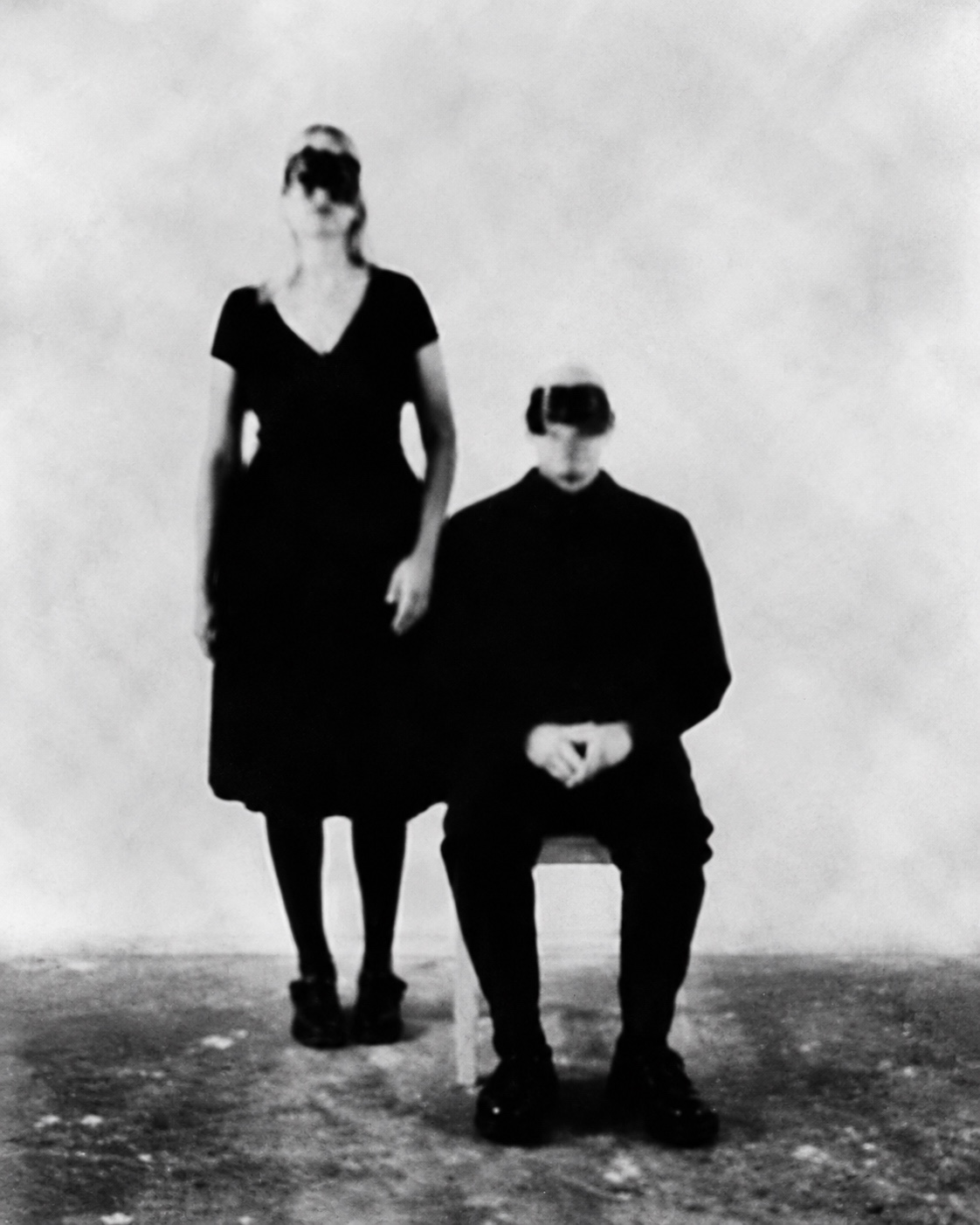
The black colour is a self-imposed limitation we use to reduce design to the essential. As a nice side effect it’s an exception nowadays and take ourselves off others. One colour symbolises for us the focusing, to simplifying, to reducing the complex world full of redundant information. The main problem for people in the post industrial society is to filter, sort, equalise and quit information.
In this regard all that black symbolises a “black box”, which records the mistakes in this process.
03Belief, images and the limits of language
Your band titles is the name of building with rich and dark history behind. David Lynch in one interview said that buildings are also recording devices. What do you think of this idea? Do you think that buildings record moods, energy, events and can recreate it somehow? What do you think about energy in such buildings and what do they have? Do you believe in ghosts?
That’s not the reason why we had chosen the name Haus Arafna and we don’t know, if something like ghosts or energy in buildings exist. Sometimes we have such a feeling, but everybody sense that different, we think.
Religious topics in your music provides different people with various diverse thoughts. Some statements about such and some other topics could shock more conservative man. How do your closest relatives react to your music? What are your own insights about metaphysics and the Creator? In what do you believe? Or maybe you think that religion was only an obstruct for the intellectual evolution of mankind?
Our relatives have no close view in our work. They understand it as a style of music. No one gives a thought about it.
People are inclined to build a religion, if not collective, then everybody for himself. Also our music has an independent existence in that sense. We can’t fully control it – maybe it’s directed by the Creator.
How do you understand depression? Did it influence the sound and ideology of your music? How, in your opinion, musicians understand depression and how do they use it for creating something? Or maybe you think that there is another feeling, much stronger than depression, that allows us to act and at the same time expresses the effect of absorbing the environment?
If you want to work with depression you need to have a depression and when you have a depression you can’t work. Unless you have this typical change of manic and depressive episodes, but also then you’ll be inspired more by the mania because you are able to work during the manic episode only.
We as more or less healthy persons work with emotional projections. That means, that a small feeling become talked up with creativity and fantasy and set up in a context, which has a preferably general claim, so that it can have validity for many persons.
How are you related with other forms of art? Do you attend art exhibitions? From the sociological perspective, the majority of people would not suspect, that you could be influenced by impressionism, romanticism, minimalism, but maybe they are wrong? Could you share with us your thoughts about visual arts and favourite artists.
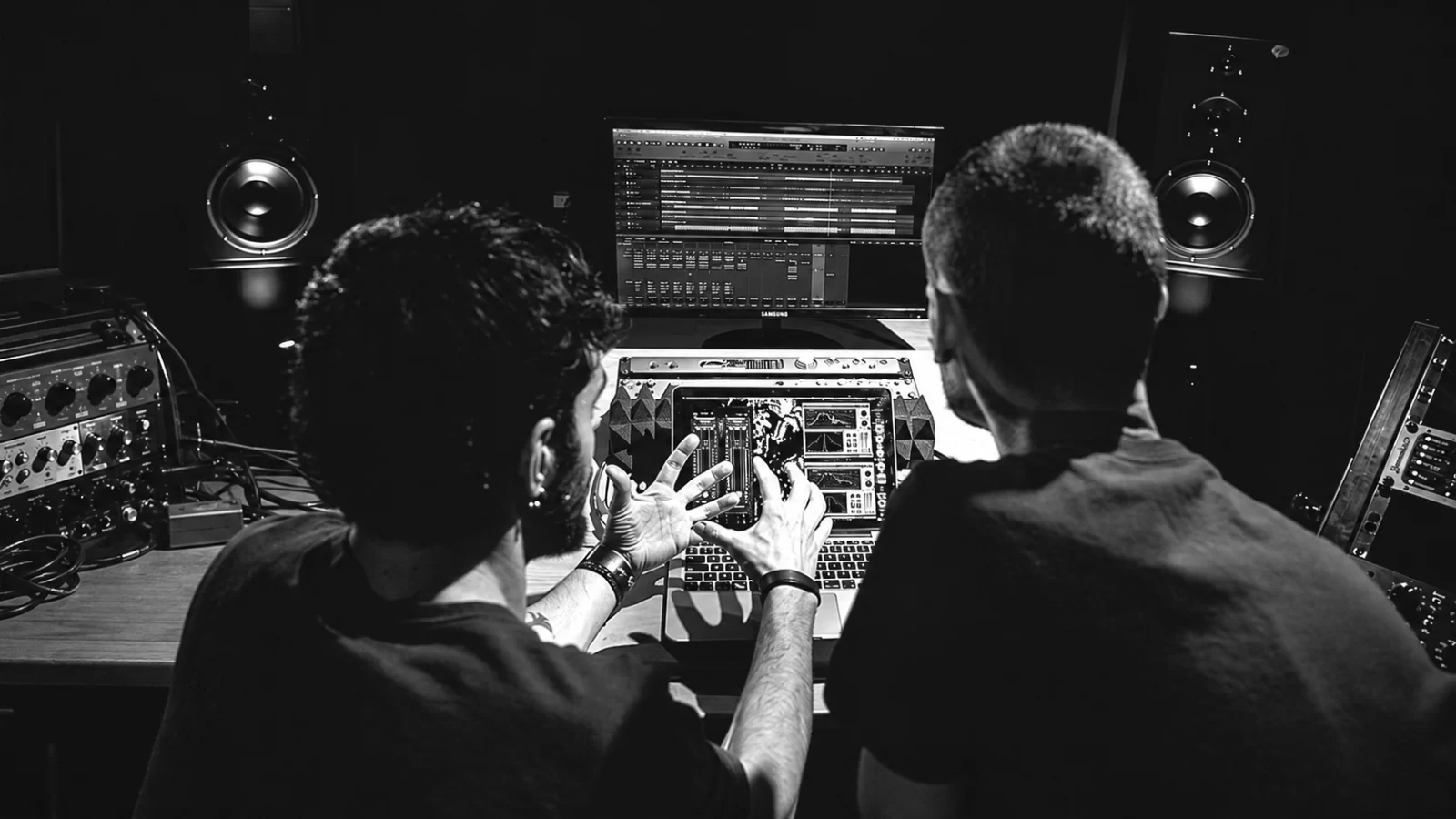
We’re not influenced by art, not consciously influenced at least. We’re influenced by the technical devices we have and by the bounds of this equipment as well as by the budget and factual constraints.
In the 90s we were influenced by design and typography instead of art. Over time we developed a graphic language out of it, which we often just have to operate respectively to modify.
We thought of integration in any case from the beginning, that means handling visuals and sounds in equal value. We realised early, that the artist of the future has to work in multimedia way.
It seems that you are quite into books and serious cinema. Could you tell us about your latest literary and visual discoveries and why they made such a big impression, emotional impact or maybe disappointment.
We’re not very skilled about film and cinema.
A movie, which we saw not long ago and which kept us in our minds was Tom Ford’s “A Single Man”.
The last time we read classics of literature was at last “Green Henry” by Gottfried Keller. It was written just splendid, but substantial fairly flat, except some journeys of philosophic nature about the reflection and impact of art.
Very disappointing was the novel “Blindness” by José Saramago. It was the worst book we ever read and the Nobel Prize for Literature for this book is just absurd in our view.
We were impressed by Dostojewski’s “The Brothers Karamazov”, especially by the diary of ‘Staretz Sossima’ and the ‘Grand Inquisitor’, the little books in the book, so to say.
04Archive introduction / 2026
Archive introduction / 2026
05What survives the excess / 2026
What survives the excess
Justinas Mikulskis / September 2026
What stays with me here is how little Haus Arafna depend on a promise to explain everything. The songs have lives of their own; listeners bring their own histories. That admission gives the music room. It also makes their black-and-white imagery more interesting: a strong frame can hold meanings the artists themselves did not plan.
Their comments on limitations are useful beyond industrial music. A restricted setup can produce a distinct vocabulary, but the restriction alone is not the achievement. The work lies in learning how much variation an apparently narrow language can contain. A small change in a voice, a pulse or a patch of noise becomes an event when the surrounding decisions are precise.
The later records help keep this conversation open. Asche, released in 2020, and the 2025 single The Spring Heals let us listen beyond the period documented here. Mangfall, issued in August 2026, preserves a live four-track session from 1994 with Karl Runau. Its age should not be confused with its release date. It brings an early working situation back into earshot: constructed metal instruments, synthesisers, effects and a shared room.
For this archive edition, I want those different times to remain audible. The original answers retain their rough edges, their humour and their difficult opinions. The photographs, records and video offer ways back into the music, where the tension between a severe surface and an exposed feeling can be experienced directly.
06Listen further
Recordings from the original period and separately dated listening points retained from the 2026 archive edition.

An earlier point of entry into the duo’s song-based extremity; part of the catalogue already in place when this interview was conducted.
Original release artwork
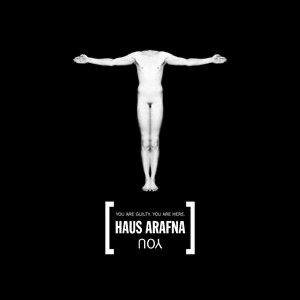
A companion to the original conversation, joining the project’s graphic identity with the emotional force of its songs.
Original release artwork
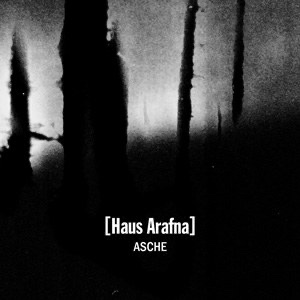
A later chapter to place beside the 2013 answers. The official video for “Kreise Um Das Nichts” extends its visual world.
Original release artwork
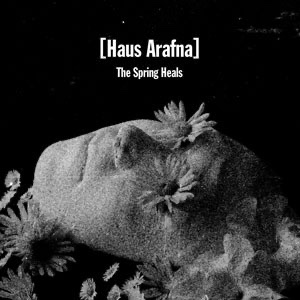
Two tracks, “The Spring Heals” and “Auserwählt”, offering a compact continuation of the catalogue.
Original release artwork
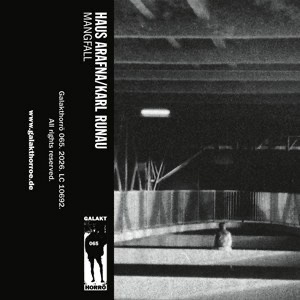
A previously unreleased basement session, recorded live to four-track with metal constructions, analogue synthesisers and effects.
Original release artwork
Sources and image credits
- Original interview: Secret Thirteen. First published 2013-03-26. The complete original introduction, questions and answers are preserved.
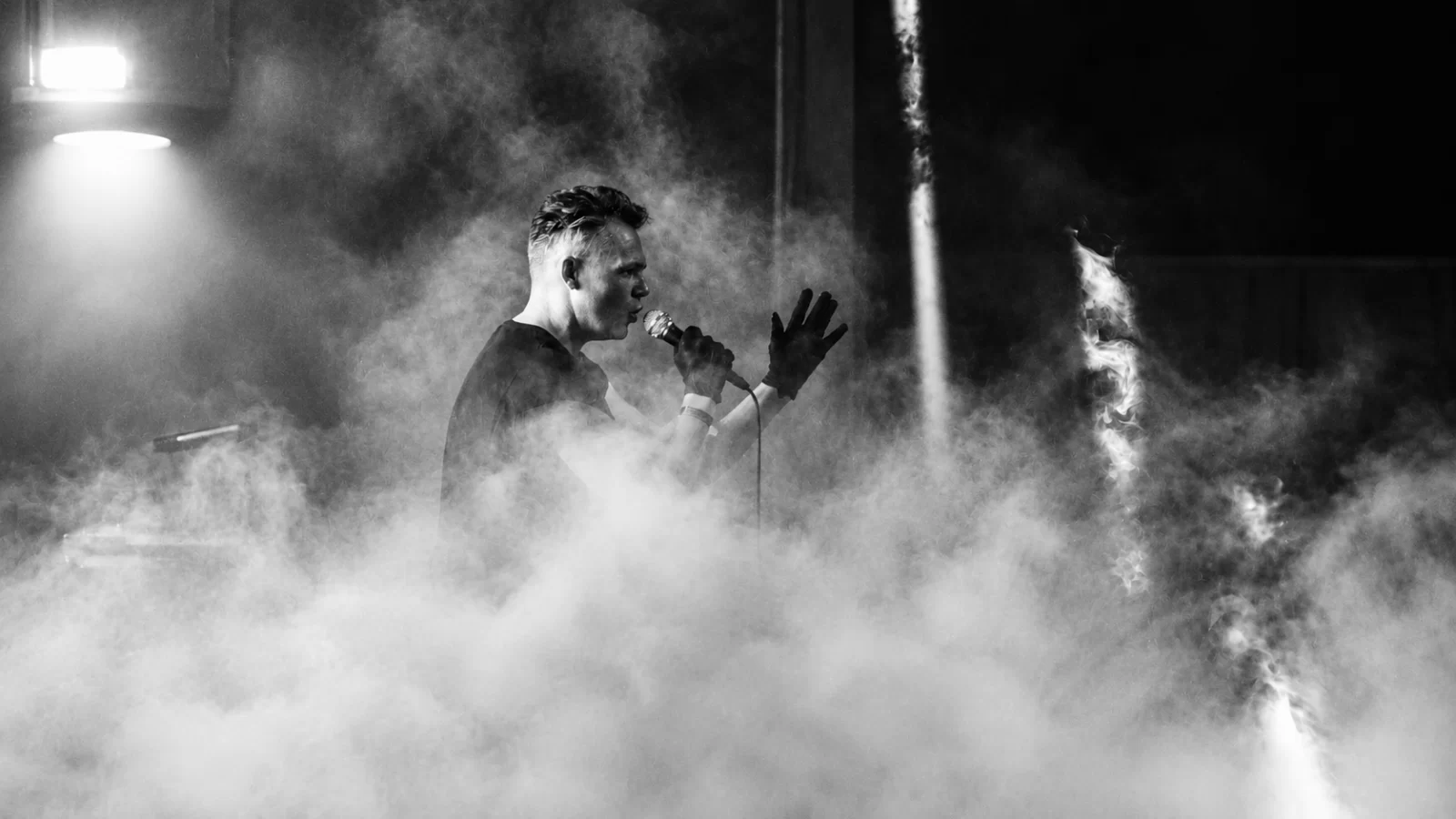
- Haus Arafna / Photo: Alice Angeletti
- Archive introduction and afterword: Justinas Mikulskis, September 2026. Original 2013 text and later editorial layers are distinguished.
- Mangfall was recorded in 1994 and released in August 2026. Recordings and the Asche video after the 2013 interview are later listening context.
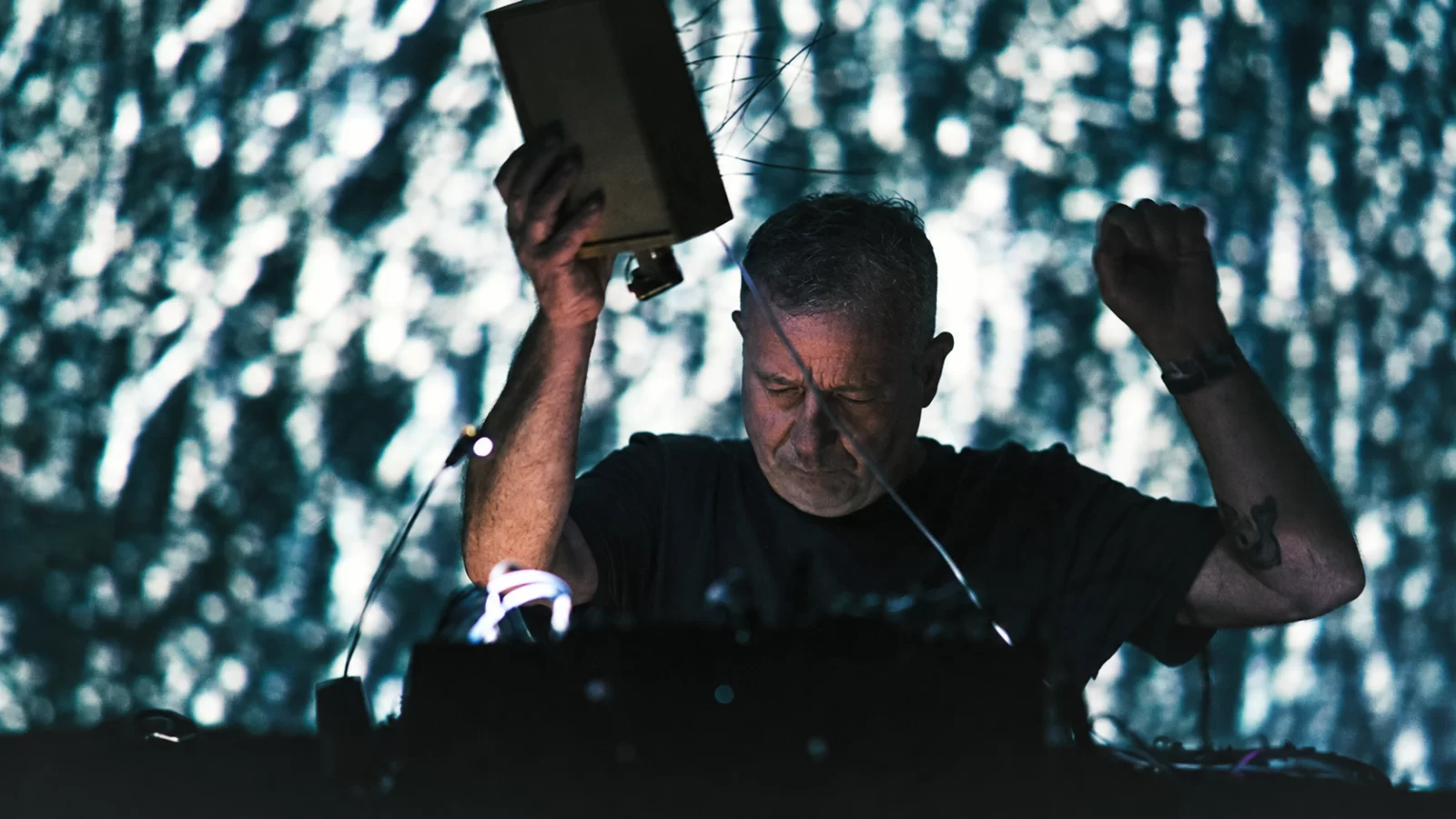
- Haus Arafna / Promotional image via NASTY Magazine / Photographer uncredited
- Original listening reference: Archive media link.
- Original listening reference: Archive media link.
- Original listening reference: Archive media link.
- Original image credit: Source.
- Original image credit: Release and video source.
- Original publication: Secret Thirteen archive.
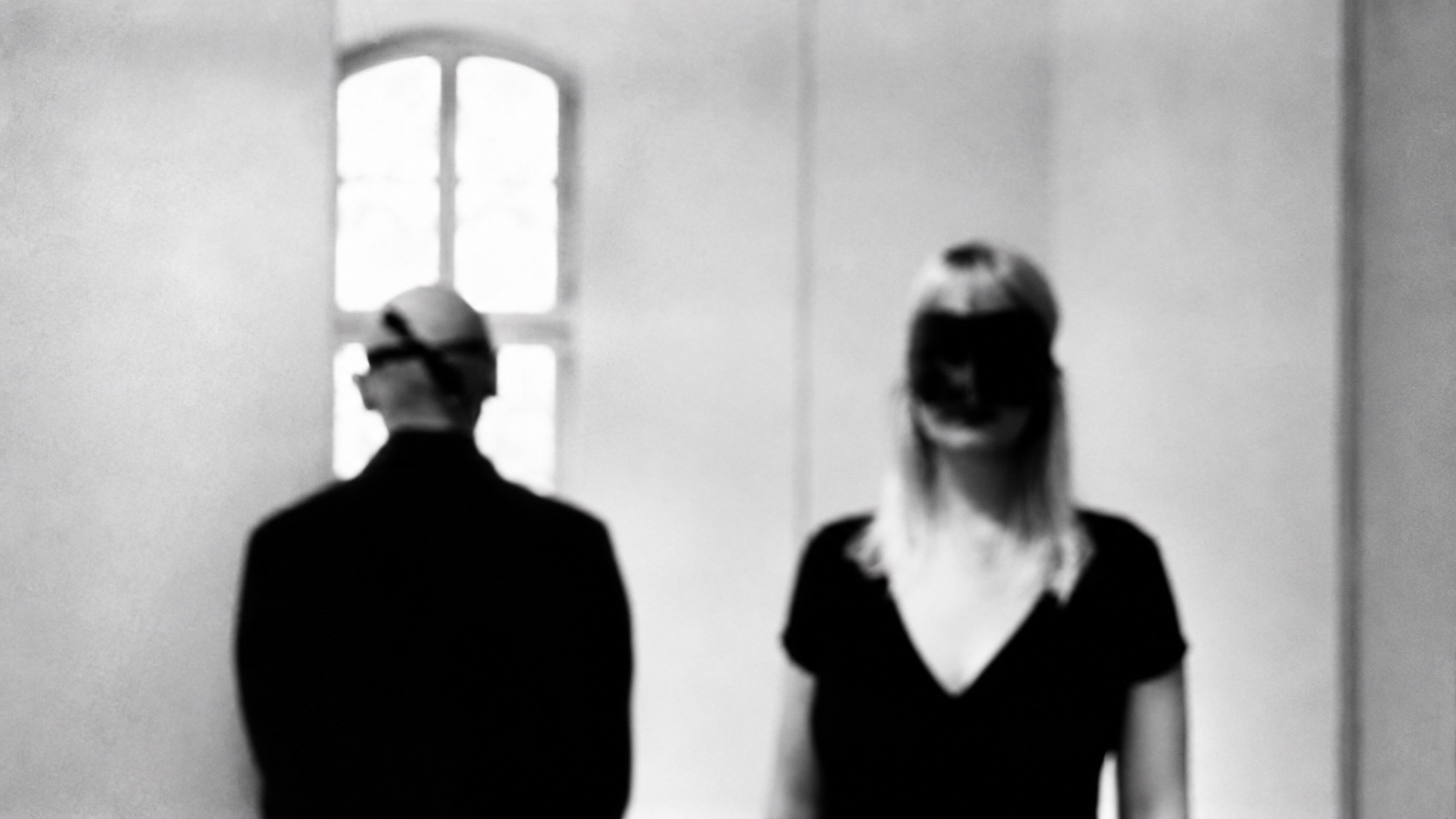
- Additional Haus Arafna photographs: Alice Angeletti. Intentional obscured faces are preserved in the restored editorial adaptations.
- Image source: Official Galakthorrö photographs and credits.
Archive introduction / 2026
Justinas Mikulskis / September 2026
Haus Arafna make music that can feel physically abrasive and strangely tender within the same breath. A voice pushes against a damaged rhythm; a melody finds its way through the pressure. The German duo’s use of the term angst pop leaves room for both experiences. It allows a song to be harsh, memorable, intimate and uncomfortable without having to settle into a single category.
This conversation, first published in March 2013, catches them explaining the practical decisions behind that world. They speak about the equipment they can afford, the limits they choose, the pleasure of finding a promising sound and the graphic language that gives their releases a recognisable face. The severity of the image sits alongside a surprisingly direct account of making things together.
The passage about black is a reason to spend time with this interview again. For Haus Arafna, one colour helps reduce an excess of information. Read in 2026, that feels close to the everyday experience of trying to hear something through a feed that never stops moving. Their response is concrete: decide what matters, remove what does not, and let the remaining details carry more weight.
Butterfly and You belong to the world surrounding the original conversation. Asche and The Spring Heals take the listening further. The newly issued Mangfall reaches in the opposite direction, returning to a 1994 session with Karl Runau. These recordings make a useful frame around the interview: different moments in a practice whose visual discipline and emotional volatility remain closely connected.