Interview
Lucy Restoring the Ritual
Luca Mortellaro on Stroboscopic Artefacts, freedom within form and the dancefloor as a shared ritual. A conversation about making music and giving it to others.
Read the conversation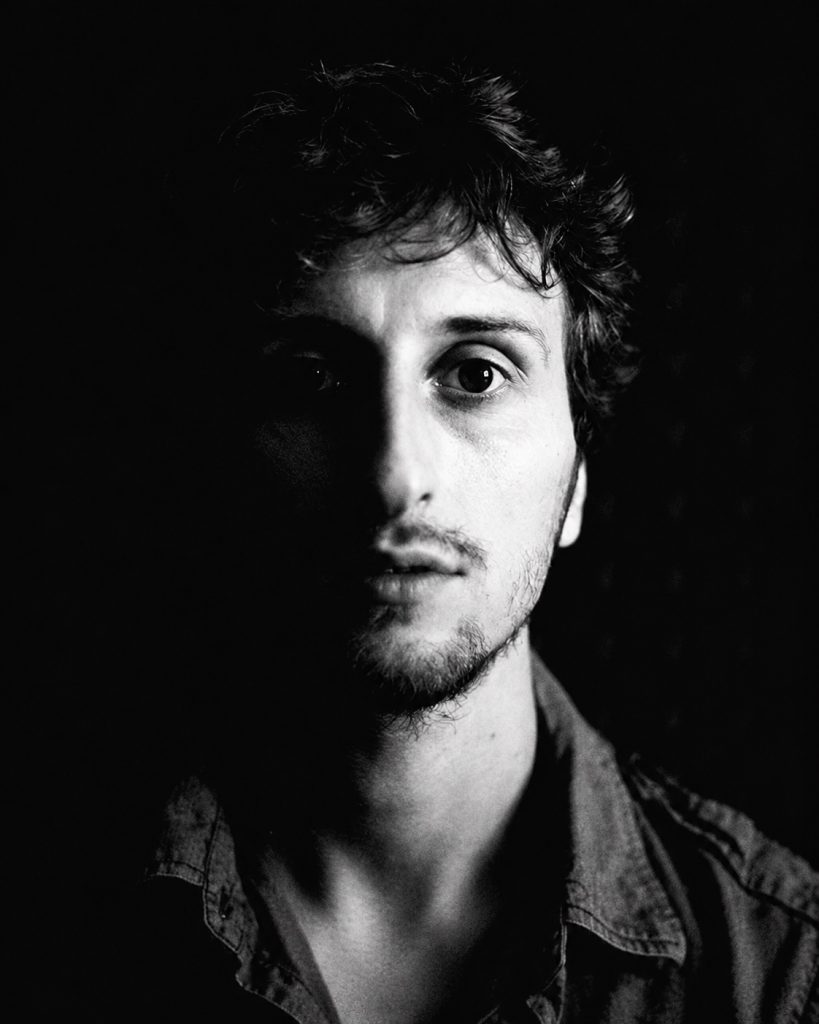
Sicilian born Luca Mortellaro (aka Lucy) is a mastermind behind Stroboscopic Artefacts label, which explores the eerie and impossible landscapes behind the borders of techno. Creating a platform for like-minded musicians like Kangding Ray, Dadub, Rrose or Xhin, Stroboscopic Artefacts has established as one of the most favoured labels in the deep waters of abstract dance music. Apart from the label, Lucy’s activities include solo production and performance of his musical artistry underlayed with serious concepts, or collaborations with Speedy J as Zeitgeber. Probably because of his writer’s past, Lucy talks in bracelets and uses surprising examples while explaining creative processes within the label as well as its creation, inspirational sources and why does he feel like a contemporary shaman.
01Five years of Stroboscopic Artefacts
You will release Chapter 3 from 5 EP compilation series for Stroboscopic Artefacts 5th birthday. How are the chapters outlined, is there some evolution in sound referring to each year, or does the whole series have some concept?
What I wanted for this “5 years edition” is something different than what we did for other series, like Monad or Stellate. I wanted a real wild celebration. So this time, unlike before, there wasn’t such a conceptual background behind it. I remember that when we were building up the Stellate, it was very intense – all the discussion and relationship with each artist, when it’s like “That’s what we’d like to do, that’s how we’d like you to behave in the studio.” While this time, it was one shot one kill, so one track per artist in 5 releases, which symbolise the 5 years. So I didn’t want to be involved or manipulate the output too much. I was in a mode of acceptance meaning “All the people from the tracklist have shaped our label during these 5 year, so this time, my trust is 100%, because I also want to understand, what do we actually are.” This is only possible when you take your hands away, let them do their thing, collect the results, put them in a nice order, and after that just listen to what’s happened in those 5 years (even myself as a label owner).
It was all released on 12“, which is usually dedicated to the dancefloor output. So this time I asked the artists to just go wild in that direction. That’s what it’s about – celebration. Celebrating that after 5 years in a very tough underground industry, we are still alive and we can economically survive. And all these people have been hugely important to us. That’s why I wanted to give them my full trust this time. Because normally, the process of a musical output for Stroboscopic Artefacts includes a lot of talking.

And do you have to say the final word in those cases?
No, it doesn’t work this way. It’s a dialectic process, back and forth. Sometimes, the most interesting things came actually from fights (laughs). I still remember that making the Dadub’s album was an insane process, we almost lost our minds discussing and fighting about it. But in the end, it becomes a final product, then it gets pacified, and nobody can touch it anymore. So this “let it be” kind of experience is both new and not new – not new because the same feeling was happening with the very first releases, when you had nothing to lose. So that’s why I wanted to close this circle with the same attitude.
So were the whole 5 years series made for the dancefloor, including your own track which will be released on the 5th chapter? I ask because quite often the music released on Stroboscopic Artefacts challenges one’s dancing skills with its changing rhythms and spaces…
Yes. Mainly because it doesn’t always have to be beautiful. I don’t believe in “beauty” as a concept (meaning well done, well treated, well mixed) in general. It’s really important to have the knowledge to do a proper work. But then it’s up to your artistic will of expressing yourself to decide how to treat that knowledge and how to even deform it to something that can be hard to be listened to… But it is a statement.
02The visual shape of sound
Apart from this musical approach, Stroboscopic Artefacts is also significant for its visual aesthetic. You’re a part of Oblivious Artefacts collective which is responsible for SA covers and visuals. Do you also create visuals for your own releases?
I cooperate, but the Oblivious Collective is run by my brother Ignazio, who’s really in charge of the actual visual creation. He and the collective are responsible for giving a graphic shape to whatever we’re trying to do. And I have to say that it has been so powerful, that it works also the other way around. Slowly, through that graphic shape, my mind also got into a certain place. I almost subconsciously started looking for things that could reflect those visuals.
So do you have favourite visual artists or movies where you take the inspiration from?
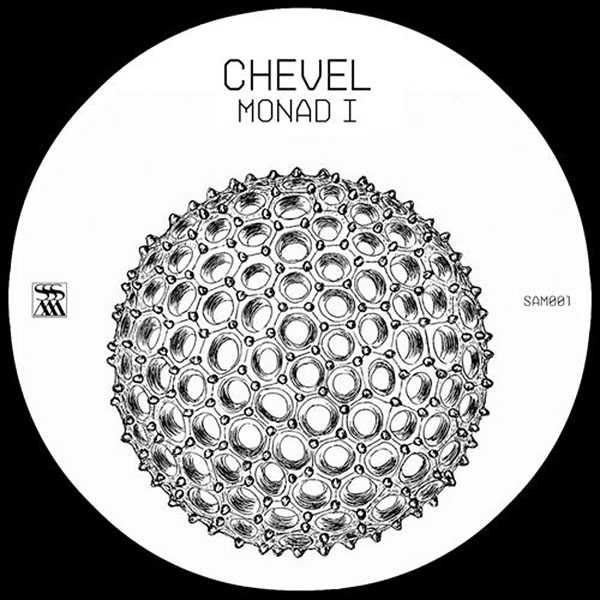
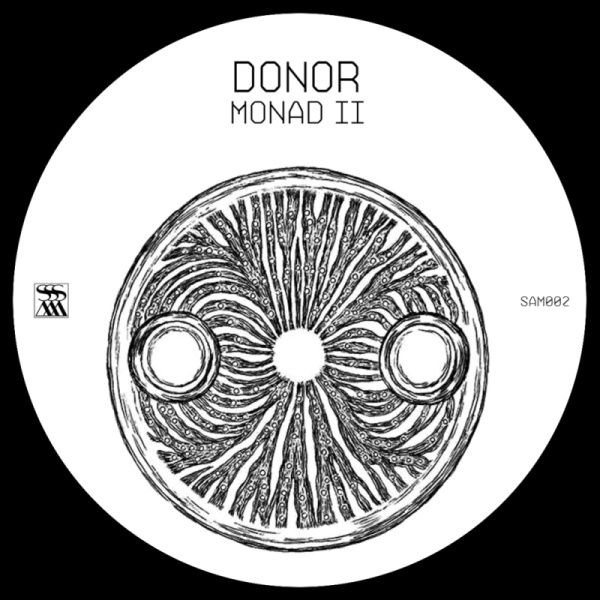
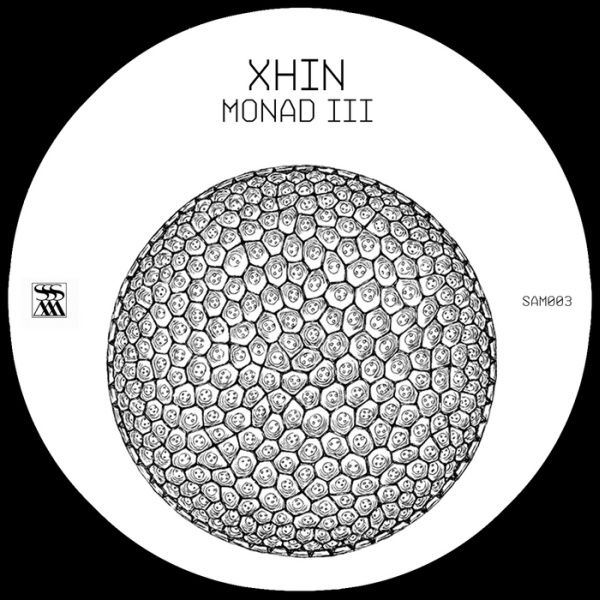
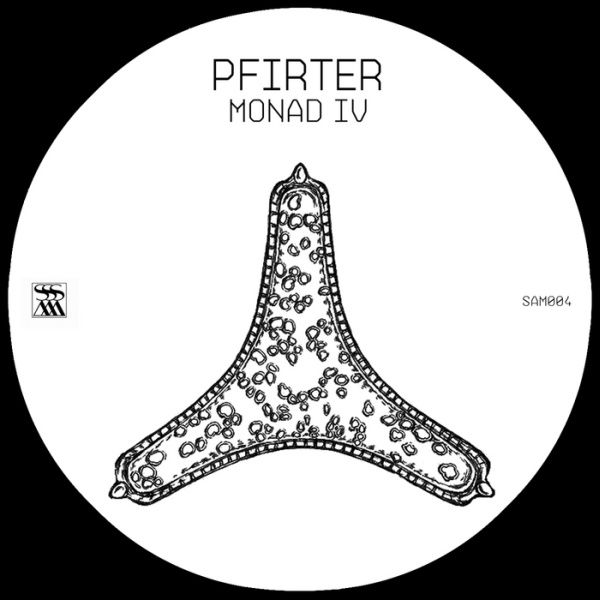
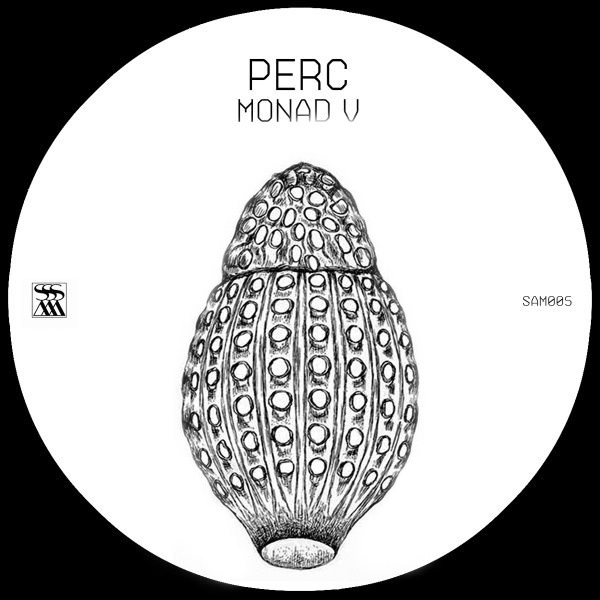
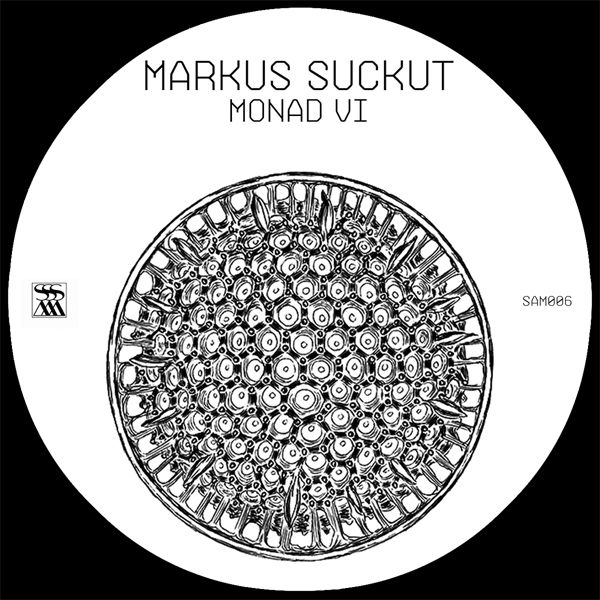
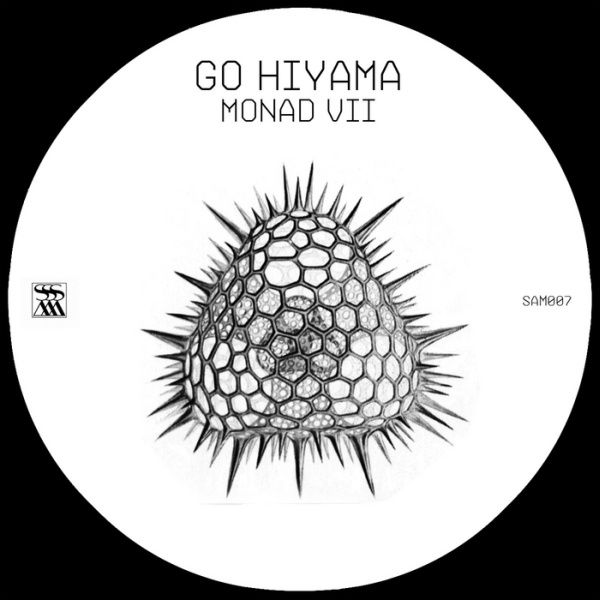
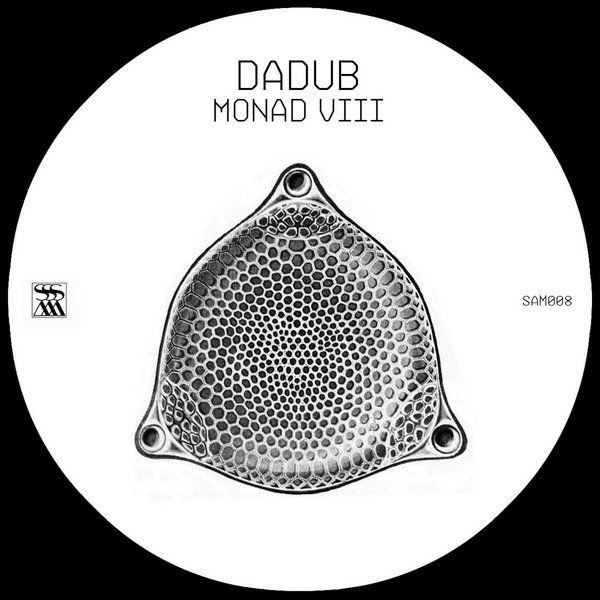
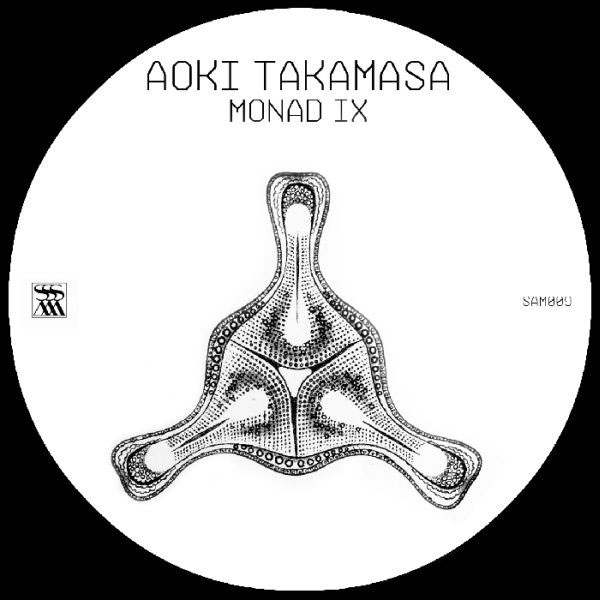
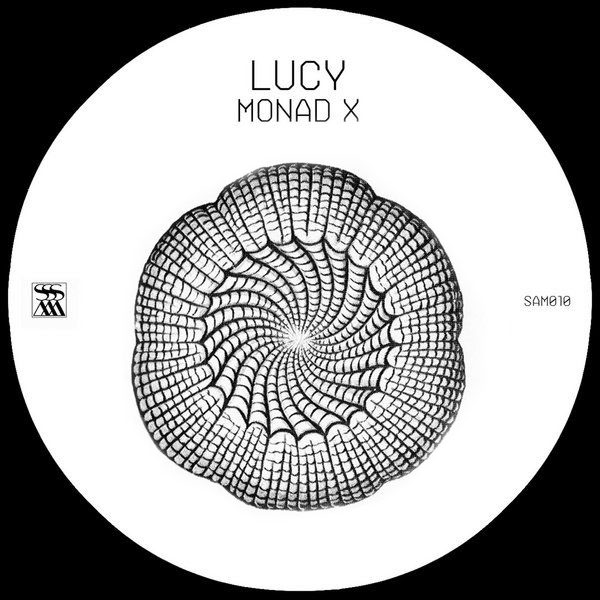
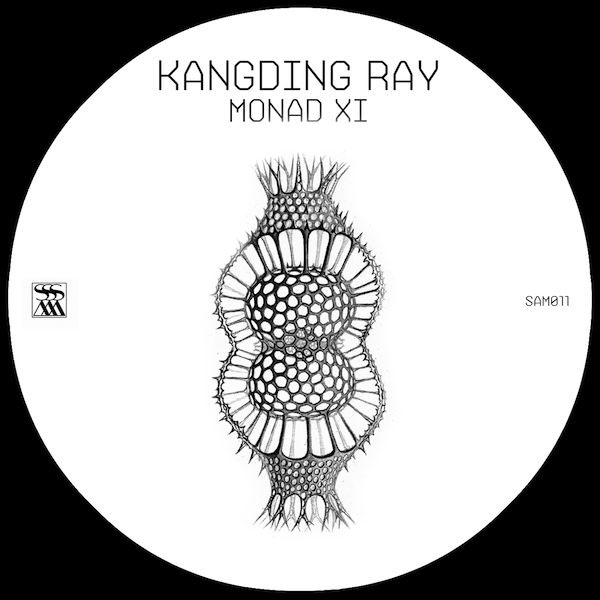
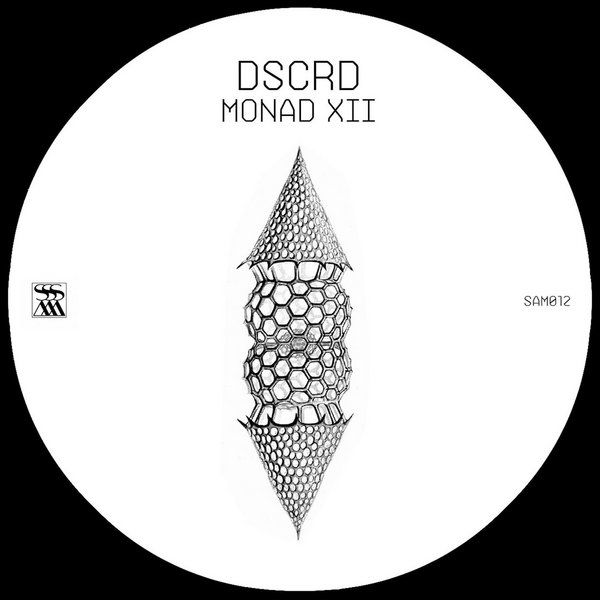
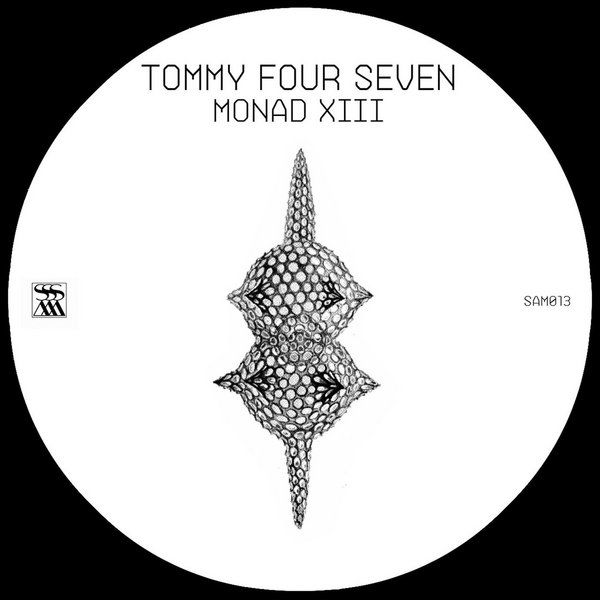
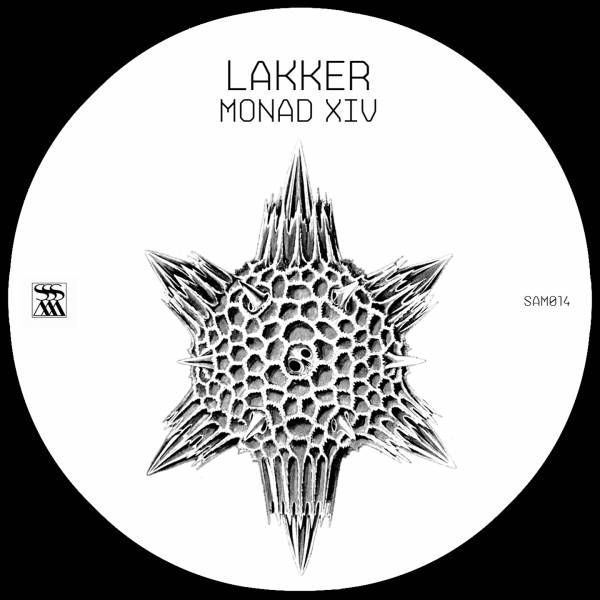
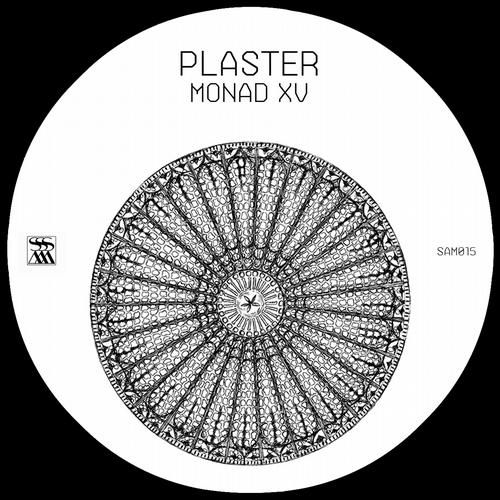
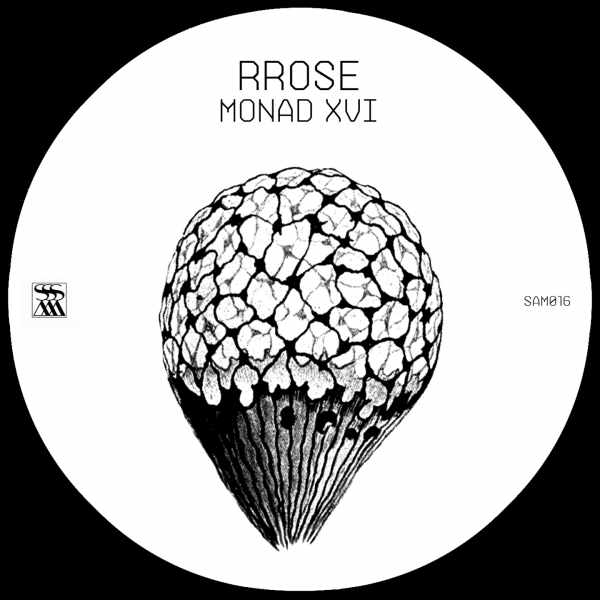
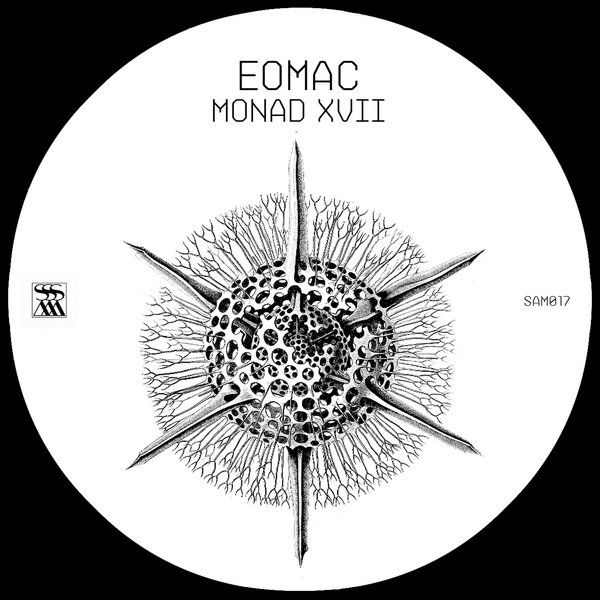
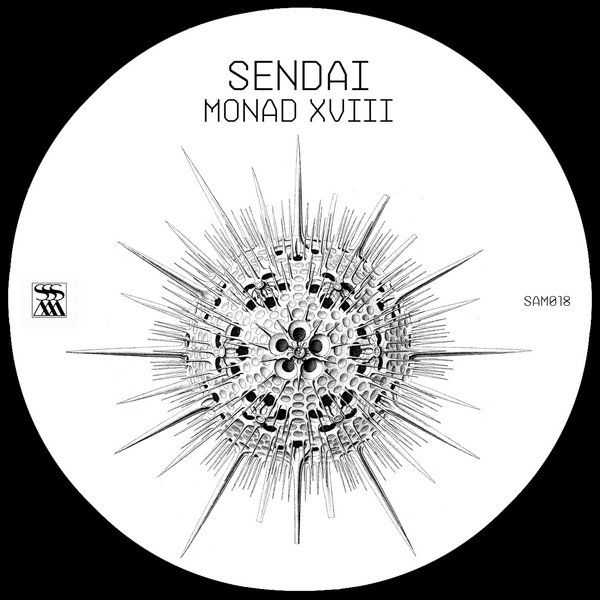
Well, in this case I can talk for the collective. For example what we did for the Monad series. Ignazio and his colleagues started to reworking old handwritings of biological particles. They found some beautiful old handmade studies from 19th Century and they adapted them to Monad series.
Monad is something self-related, that doesn’t have so many connections to the outside world. For an artist, it’s an uncompromising vision, therefore the release is like a mini-album made of four tracks. That’s the concept of Monad. In this space, you can go to extremes, dare to do things you wouldn’t normally do. That’s why at the beginning, we wanted to be only digital, because I didn’t want to restrain it in any way or to think about how many copies do we have to sell to at least be even. It has been interesting to see how all those artists give their best, when you give them this kind of freedom. They did something that’s typically them, but at the same time typically us. That’s the constant interchange, which is what I was describing with Oblivious Artefacts.
Of course I’m very lucky, because Ignazio is my brother and therefore we have a certain kind of a very deep connection, we barely need to talk. We both know what’s going on. That’s why I wanted focused on the same person – from the artwork and the flyers to the website or even a newsletter. Everything comes from “artefacting” process, meaning a handmade process. That’s my relationship with them.
Monad artwork / I–XVIII
03Freedom, discipline and impossible rooms
That’s what I think is also significant for the label – that anything I listen to sounds like a carefully made piece of art, an artefact. Do you have certain criteria by which you choose the tracks or artists for the label?
Yes. You don’t use shapes and forms and boxes, you try to avoid them. Because, as an artist, you know that this particular label is a space of freedom for you. But that doesn’t mean that you have to be completely anarchic. There is also a process of discipline. For me, freedom in its absolute is a very stupid and nonsense concept. There are always lines you have to work with, which I call “archetypes” – Karl Gustav Jung was talking about the way our mind works with archetypes, which are these basic forms, that are ancient, ancestral, rooted deeply inside us. They kind of move your perception. But you can never move outside of the archetypes, because you wouldn’t be human. It works similarly like this with music. For example, why do people call us a techno label? We aren’t really a techno label, most of the albums aren’t even suitable for dancing.
Well, people need labels to orientate themselves.
Yeah. We give people a chance to do that by playing with those archetypes, with those basic shapes that make you conceive and perceive something as techno. But the real creativity comes in when you deform these archetypes to your own will. Taking it to the nerd level, it’s like when you’re working with reverbs in production – reverbs are nothing else than imaginary rooms. It’s one pure sound that gets affected by the space around it. When you play with reverbs in a certain way which you wouldn’t be able to implement in a real world, you create impossible shapes in the room. But still, there are walls, it it still a room and there are walls resonating in this room, so that’s what I mean with discipline. To respect those archetypes.
So let’s say that you’re doing something similar to what M. C. Escher was doing visually? The results are impossible in reality, but he also used shapes, lines, objects…
Yes, exactly. But I have something to add: You just said “in reality”. But I think that that reality has the same dignity of reality of the everyday reality (smiles). I mean, for me it is a reality. It’s not like when we make music, it’s something else. It is another reality with all its dignity. That thing exists, it makes me feel in a certain way, and those things exist as well as the fact that I’m hungry and I’m gonna eat a dish. It’s the same level. It’s just that, sadly, in this particular Western civilisation, we are too grounded to the everyday horizontal rhythm of life. This is not something that has been in many other cultures, it doesn’t have to be that way. For example, I do practice a lot of meditation and yoga, and those places, where you find yourself, are real. Same goes for the music.
Do you plan something new for Stroboscopic Artefacts after releasing the final 5th chapter in March 2015?
Yes, there are some plans which I’d like to keep secret for now, but there will be some interesting collaborations going on.
04Restoring the ritual
Going back to you saying that you practice yoga and meditation. When was the last time when you felt like shaman while performing in a club?
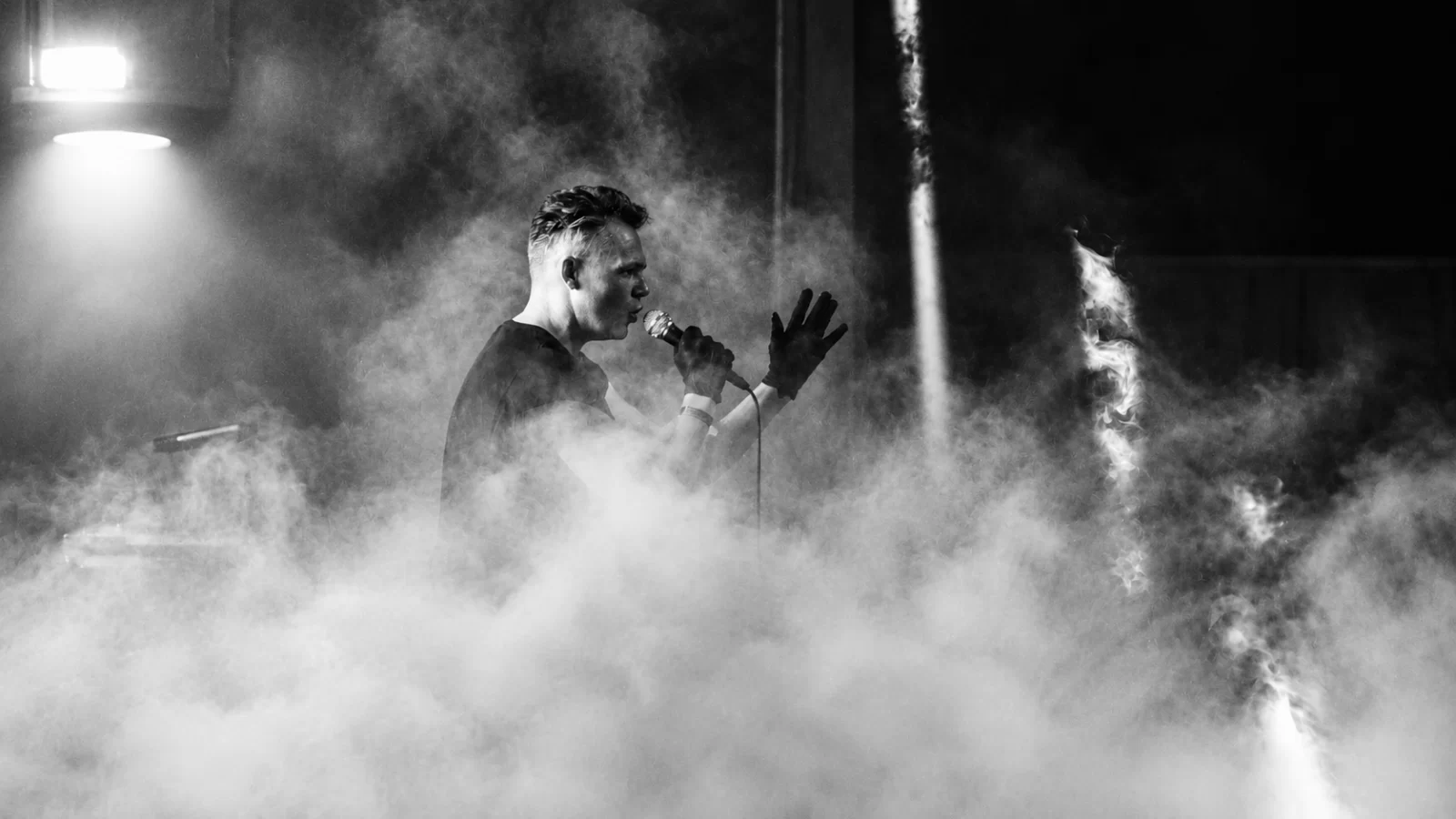
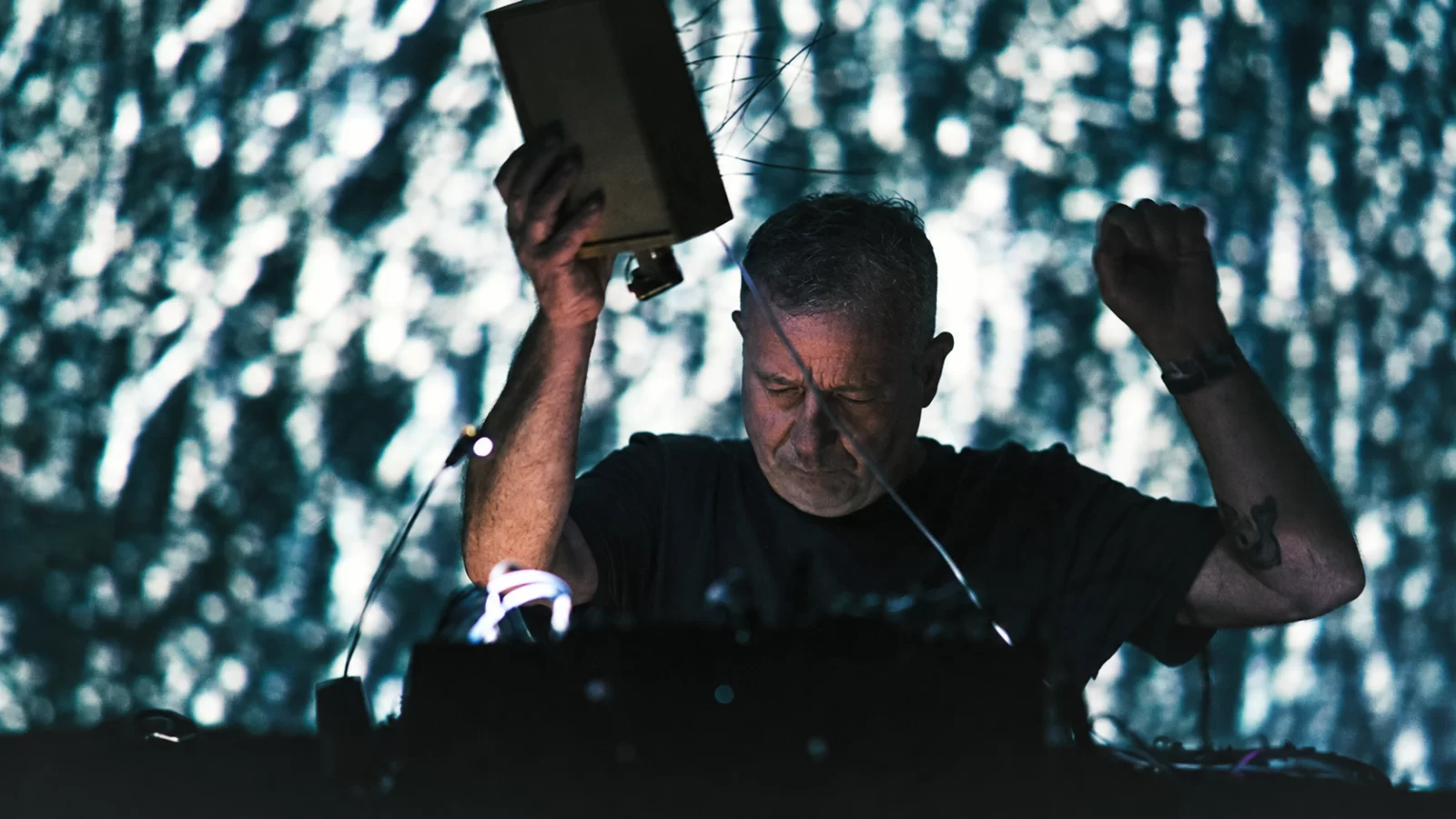
The most recent time was in Poland, I had a gig in Poznań. That was one of those moments when the magic happens and I felt kind of like a shaman. By shaman, I mean the state of mind when your “real” fades away and it’s not yourself with your conscious mind mixing and choosing the tracks and modeling the music, but it’s just a big wave of energy coming in and you feel like you’ve been used by something else.
Like a medium.
Yeah, like a medium. It’s a very beautiful experience. It’s actually a reason why I do all this.
Do you see a connection between disconnected or virtually connected Western world living anonymously in cities and the popularity of clubbing, where people can connect on a deeper level together and they can experience a reciprocal process of giving and receiving energy?
Totally. And you’re actually saying the reason why I think a huge development in techno is happening at the moment, which is very different from the roots of techno. I see a lot of artists who are just kind of nostalgic and repeat paradigmas, that were already there in 1991, over and over again. But what is very different? When you hear first releases of Jeff Mills for example, he’s like: “That was the sound of my CD, that was the techno-logy going on.”
What’s happening now (and what I’m also trying to do) is to give it another meaning, which is this deeper connection, restoring the ritual sense on the dancefloor. Because it’s a hugely important social ritual. That’s why people are getting so interested in it in a slightly different way than previously, I think. At least in places which I like and I like to play in, there’s kind of a respect to these processes. It’s not just about expecting the next hit. It’s more a “treat me” attitude, like you’d be on a healing therapy. And that’s when the extended sets make a total sense. It’s something that people often maybe don’t even realise, and that’s the beauty of it. They don’t know that they’re so attracted to getting lost in a club. And mainly, the clubs that are more appreciated at the moment are those where you can be on your own and have your own experience. I’m talking about Berghain for example, where I found myself getting lost few times. It’s also a very lonely and introspective experience, but that loneliness and that sense of freedom is only possible when you are in that ritual. Because if you’d be really, physically alone, you wouldn’t act that way for sure.
05Catharsis, books and everyday life
Let’s leave the club and face the hard reality. In your track “Leave Us Alone” from this year’s album “Churches, Schools and Guns”, you sample a quote from a very powerful speech from the movie “Network”. Together with the name of the album and other tracks (“The Illusion of Choice”, “Laws and Habits”), it seems to me that your intention was partly to create a critical or reflective audio mini-essays on contemporary problems of our society. How far am I from the truth?
Yeah, very close (laughs). On one side, it was this way, on the other side, I also wanted to express certain topics that are constantly very urgent to me through music with a help of titles, since they’re also very important – the listener often gets the first input with words before getting to the music, it’s the main border of the space where the listeners can actually move. It’s his first mind frame. But then there’s also a subconscious level (which is also hyper important in artistic process) which you can’t really control and that makes it alive, boiling, breathing. It’s not just a tight logical structure, which it would be as a normal academic essay on a certain topic.
OK, so let’s say you think about a certain topic, then you get a deeper feeling of it and eventually, you just let yourself go?
If you’d like to know the exact process, what I do is that I dive very deeply into these topics and allow myself to be really deeply disturbed or absorbed by them. I get almost saturated by them until I reach the point when I can’t wait anymore, I need to sit down in the studio and go through a catharsis process. Just get it out of me and give it a shape, so those things get outside of me, they’re not torturing me anymore, I can look at them from the outside and finally, so I can share them with other people. That makes it more livable, cos that’s when the human interchange starts. It’s something I understood only recently, because at the beginning, this last part was disturbing for me at first. When I was producing something so sincere and honest with myself and put it out to public, I felt very naked. And only recently I started to understand why I’ve still kept doing it. I’ve discovered, how precious this human interconnection, that starts when you share what you did with other people, actually is. And it’s not only about sharing. You see people paying respect to your very tough process by actually paying for your music. I don’t only see it as only buying my album, I see it as a tribute to a process the people do for me.
Judging from your use of vocabulary and the way of expression it is apparent that you used to write a lot. Do you still write? Who are your favourite authors or books, apart of Hannah Arendt [editorial note: Lucy borrowed a name of her book for his “Banality of Evil” EP]?
I read a lot, but I don’t write anymore, because the music took over a place in the functionalities of my brain. I also find myself in much better space regarding music, than writing; you have more freedom, it’s not as coded as when working with language. Author-wise, I can name you one writer who has changed my life a lot recently. I read it about 3 years ago and it was also a root of what later became “Churches, Schools and Guns”. The author is Tom Robbins, the book is called “Jitterbug Perfume”. It’s quite insanely special, it goes in all directions and at the same time it’s so hitting the point and its story goes through thousands of years around two immortal characters that passed through different ages of humanity. It really enlightened a strong revolution of myself. But before this phase, I was mostly into classics like Dostojevski or Tolstoj.
What about some dystopian sfi-ci?
For me, sci-fi was never that much about books, it was always more about movies. I’ve never got into these allegoric and symbolic writings, I’ve always been more into the images.
So you just like to watch starships and space.
Yeah (laugs). But my passion for books is more about subtle and everyday life shades. One of my favourite books is “Ulysses” by James Joyce and that’s just 24 hours of very normal and kind of boring life of a guy. But that’s the point. Again, it’s about finding the uniqueness of every piece of your everyday life, that can seem nonsense sometimes, but it only seems so because we get kind of blind or smoked out, but it’s not. That’s why I like that book. It’s a dilatation of every second of the time, which is also a very similar process of music as well.
Sources and image credits
- Original interview: Zuzana Friday Přikrylová. First published 4 December 2014.
- Portrait: Riccardo Malberti.
- Original Monad I–XVIII artwork gallery: Oblivious Artefacts / Stroboscopic Artefacts.
- Original artist website: stroboscopicartefacts.com/lucy.html (archival address; no longer an artist website).
- Original publication: Secret Thirteen archive.
- Portrait photographs adapted from the credited archival originals.
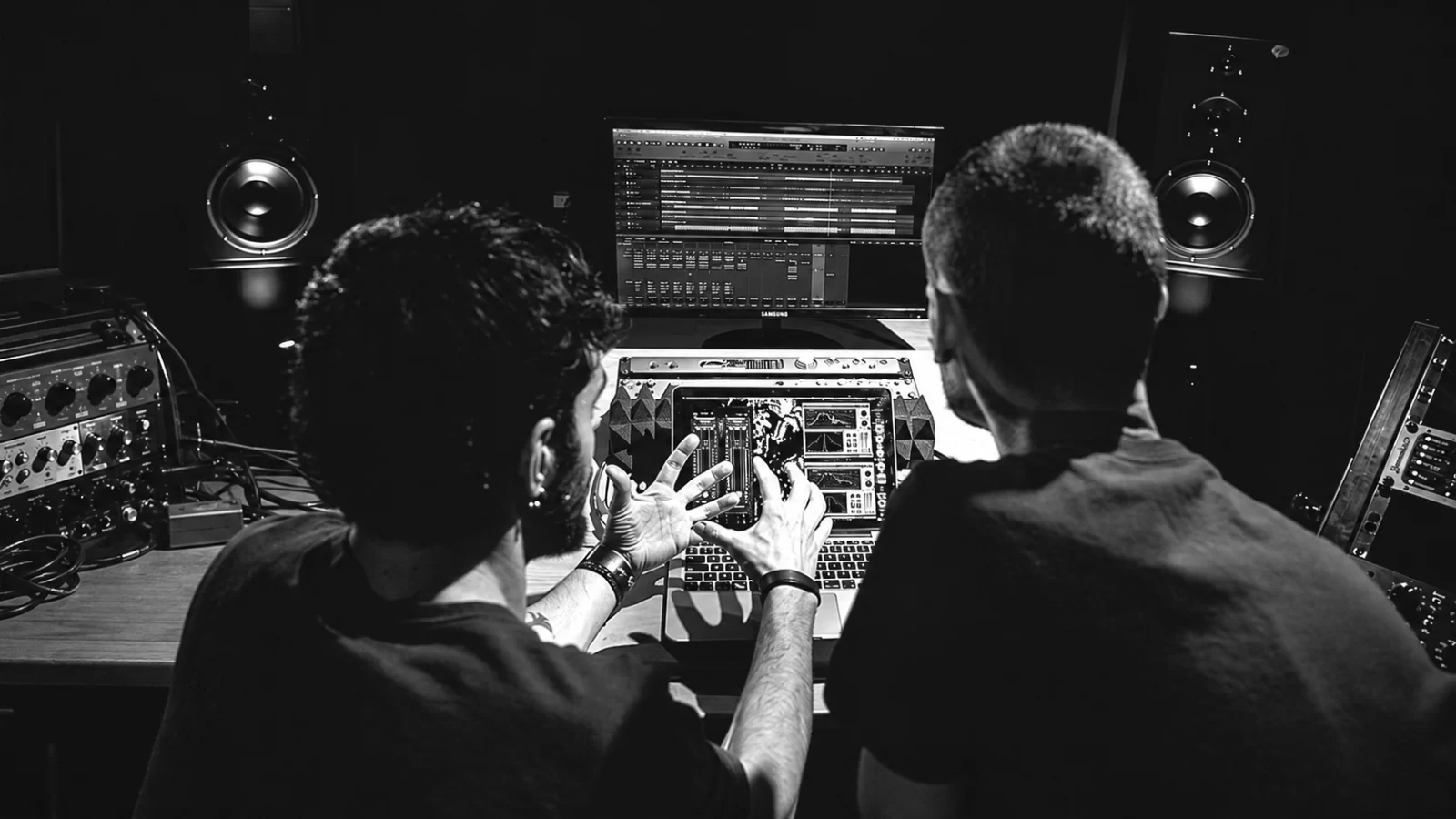
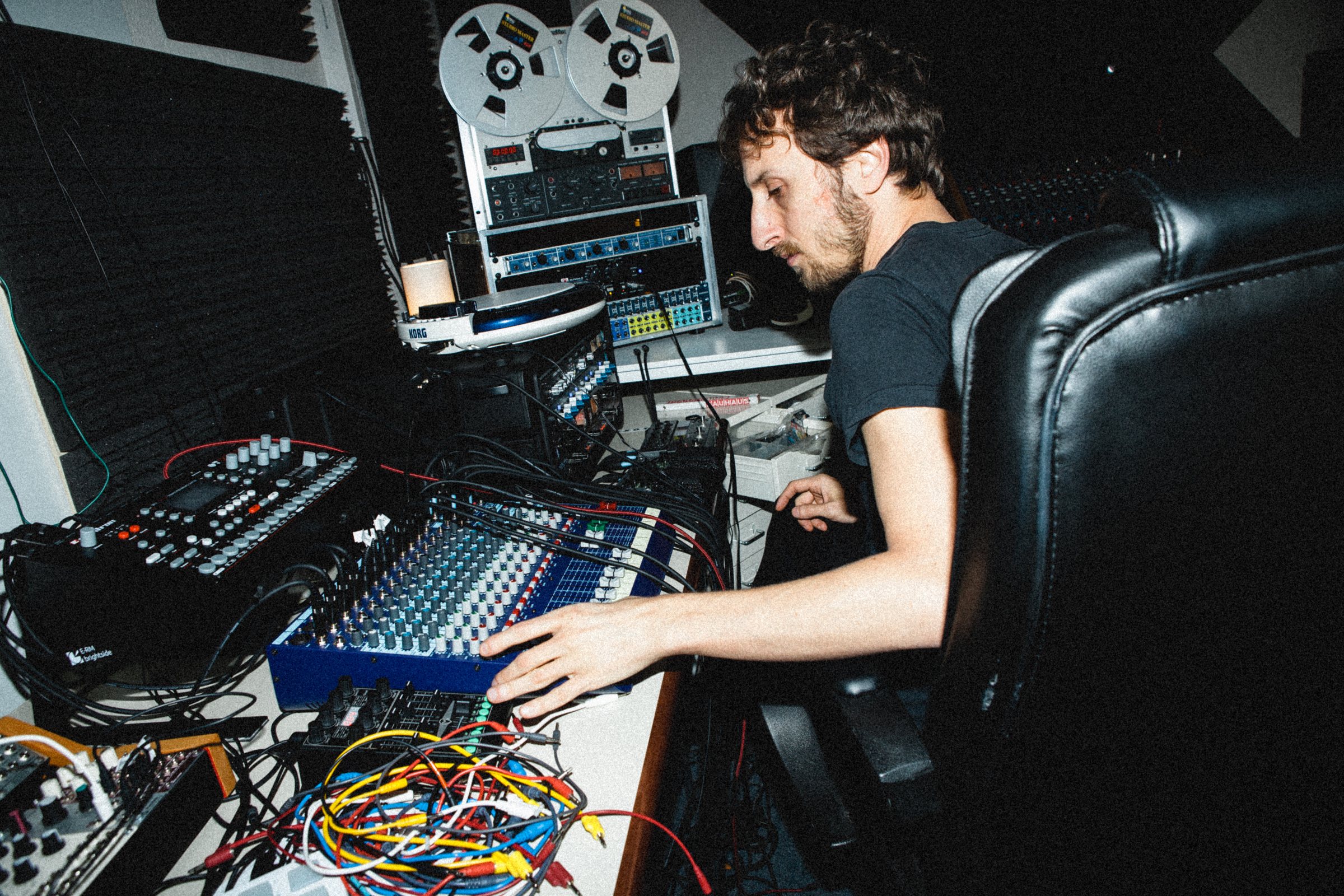
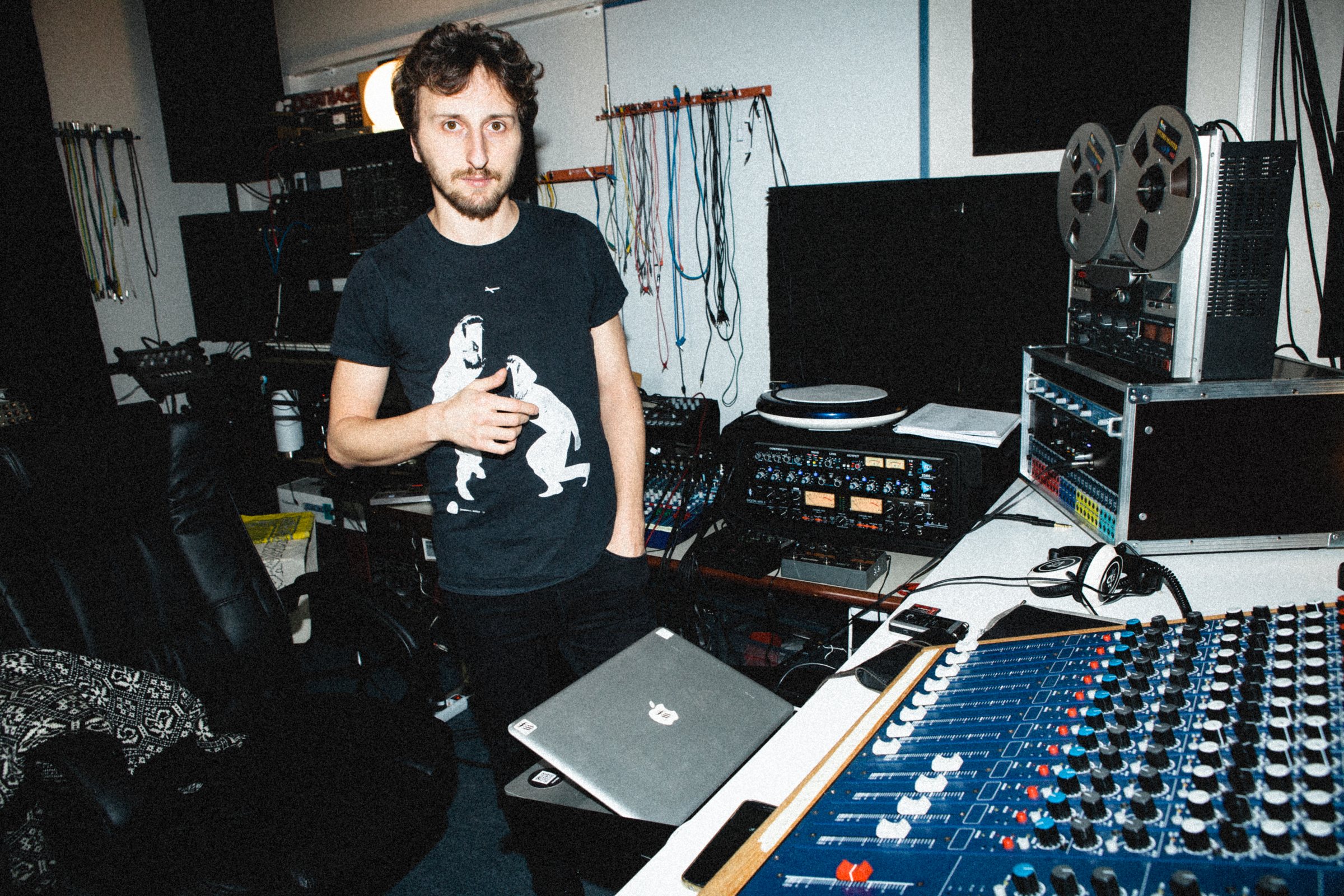
- Studio photographs supplied by Lucy to CDM, published 25 March 2016. Later documentation of the practices discussed in this 2014 conversation; the source does not name the photographer. Original photographs preserved. Artist studio archive.