


Interview
Orphx Transforming the Noise
Rich Oddie and Christina Sealey trace the meeting of industrial music and techno, improvised performance and the transformation of everyday tension into sound.
Read the conversation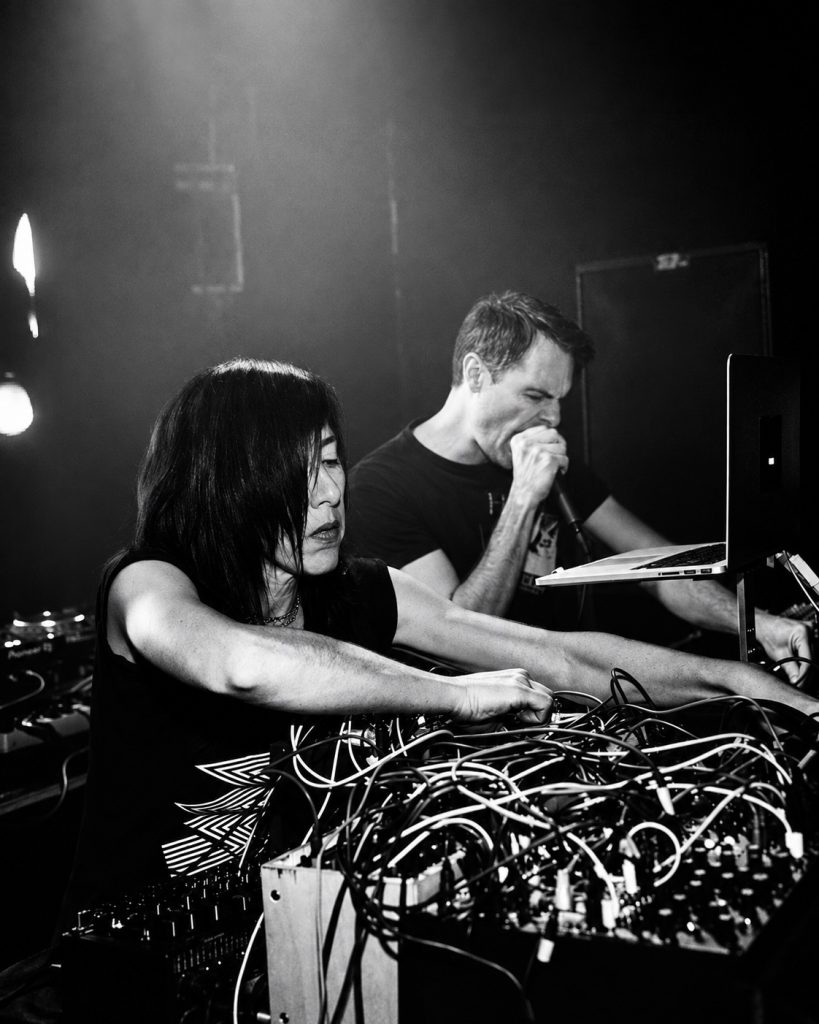
01Industrial roots and changing tools
Orphx sound seems to merge industrial and techno influences. What do you think are the most essential connection points between first wave industrial and later techno music?
I think early techno was only indirectly inspired by industrial music but there have been a number of points over the last thirty years when those industrial influences have become more prominent. We began combining elements of industrial music and techno around 1995. We were inspired by early industrial artists like SPK and Throbbing Gristle, as well as second wave groups like Skinny Puppy and The Klinik. But we were also involved in the rave scene around Toronto in the early 1990s and we took a lot of influence from what we were hearing at those parties and from labels like Plus 8 / Probe, Underground Resistance and Basic Channel. One of the things that always drew me to techno was its mixture of utopian and apocalyptic themes and atmospheres. That dark side of techno, and its industrial roots, seems to come in and out of prominence and popularity in response to what is happening in the wider culture that surrounds it.
What do you think is the role of new technology in composing music? How is it important to you? Do you rely more on digital or analog sound?
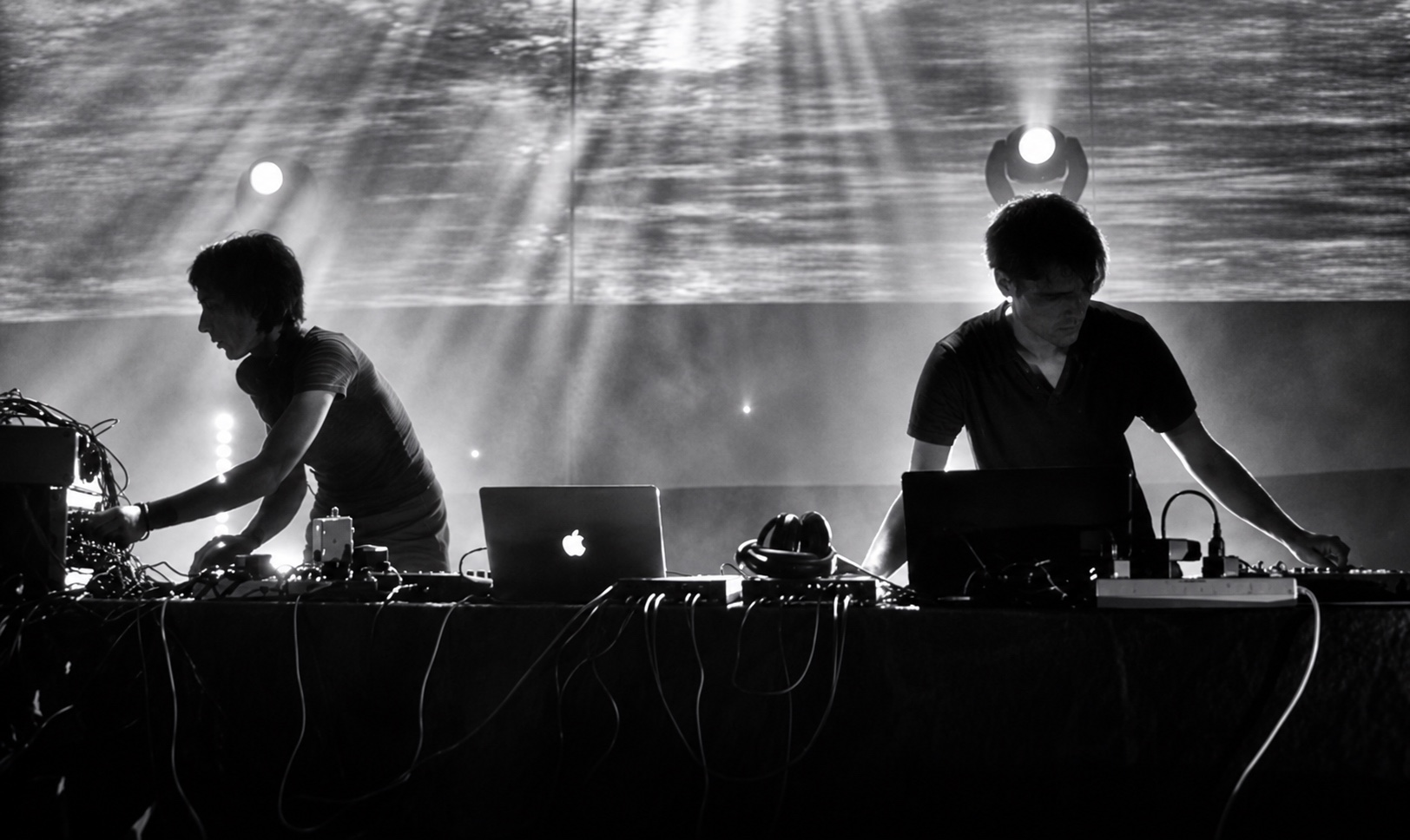
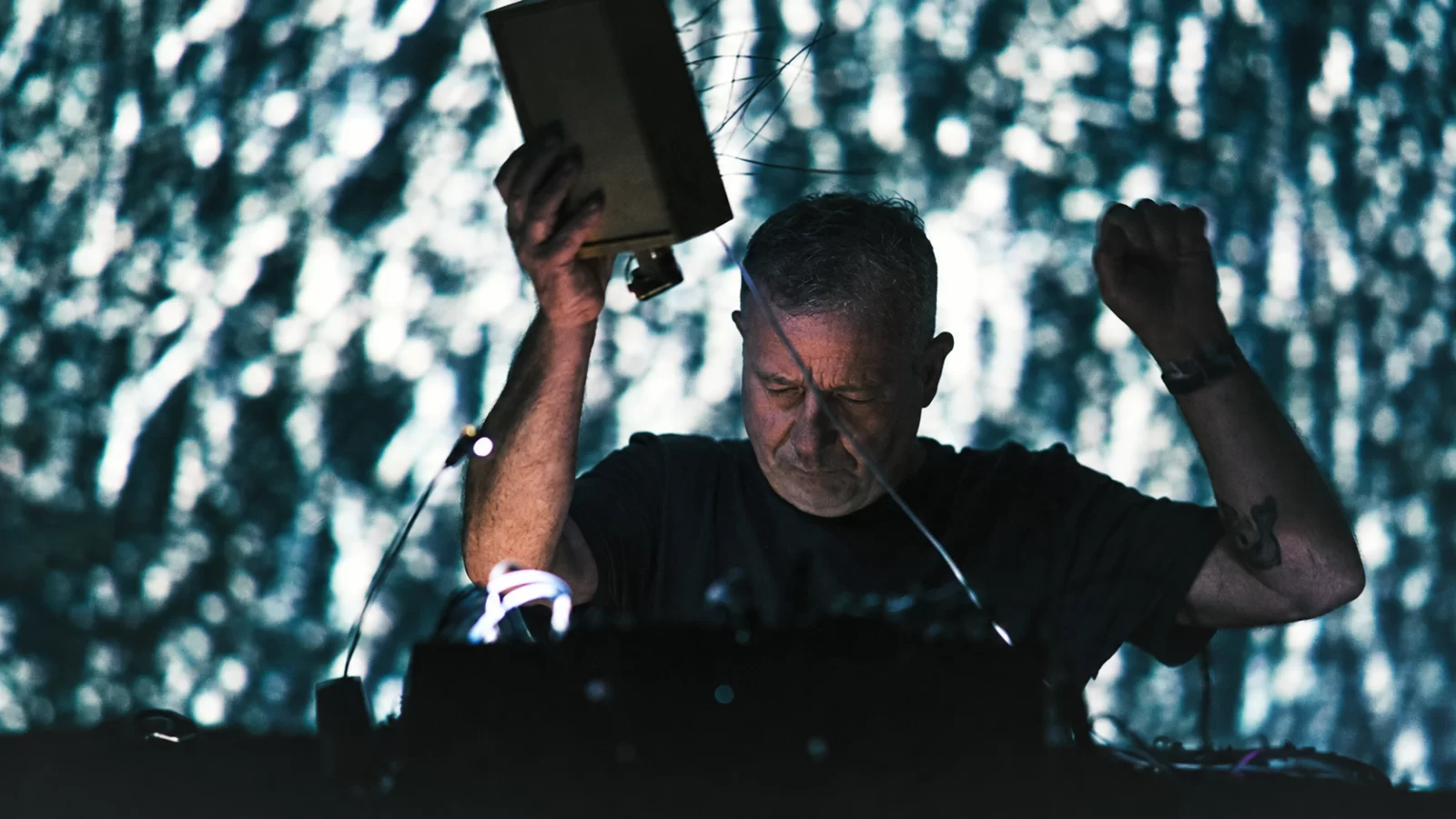
We began using only a few pieces of equipment that we’d managed to collect: one synthesizer, an 8-bit sampler, an old drum machine, a reel to reel tape machine, and some microphones and effects pedals. We learned how to use basic sequencing with MIDI and learned how to build contact microphones, create feedback circuits, and build other simple machines for making sounds. We relied heavily on analog synths and hardware until around 2000, when we began to discover and incorporate more computer software for creating, processing and recording sounds. Around 2005, we started using Ableton Live to create a more dynamic approach to live performance, allowing us to improvise our sets in response to the crowd. More recently, I’ve been investing a lot of time and energy in modular synthesis and I’ve put together a system that is becoming more and more prominent in our studio work and live performances.
Are there any records that you think sound particularly different when performed live? Has the computer ever crashed during a performance?
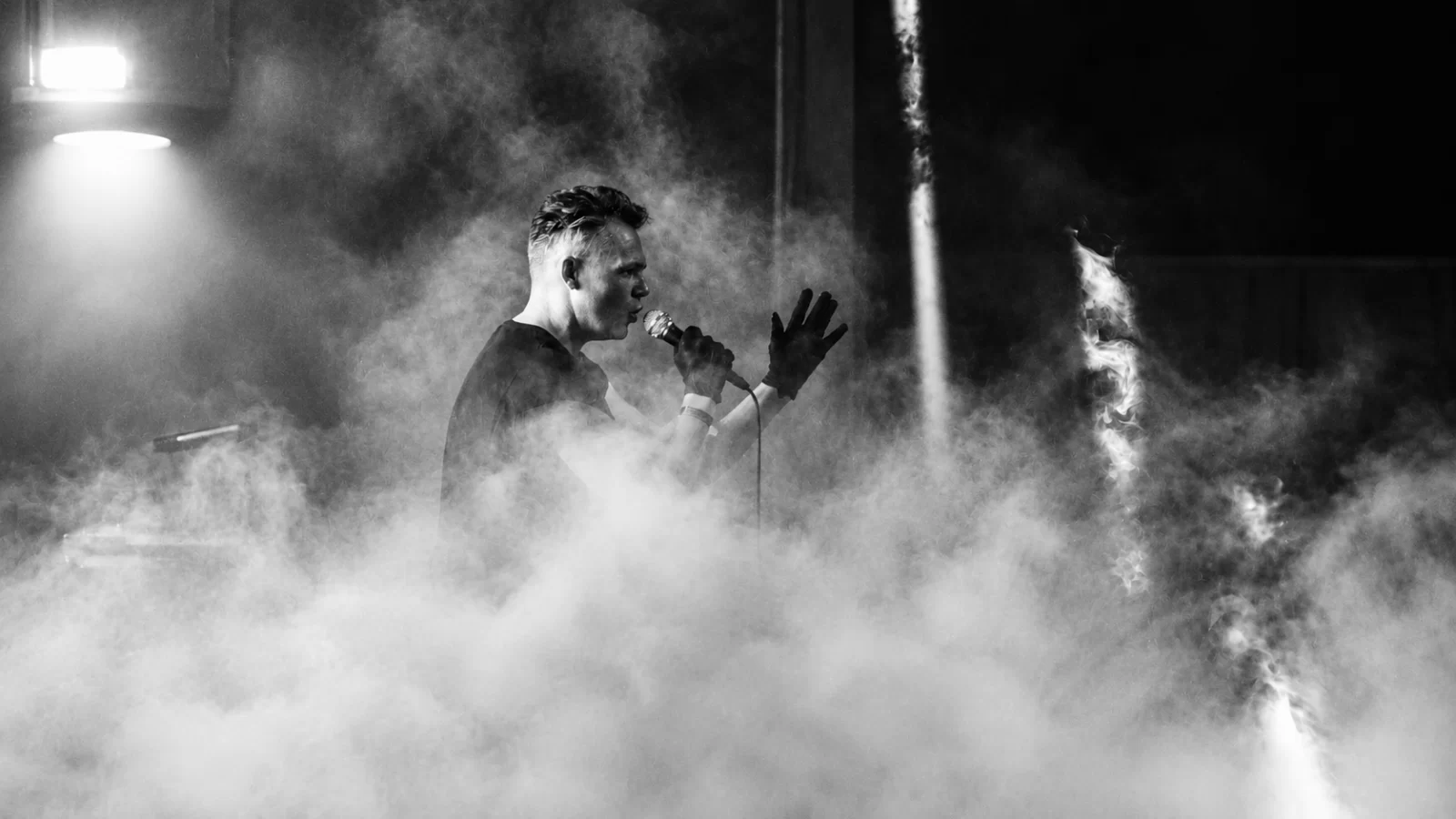
Our performances have always been different from the recordings, since we always have some degree of improvisation and tried to add new and different elements each time. Now our shows are always improvised, using elements from the studio recordings but reworking them. We have had minor accidents during performances but we both have enough going individually that we can cover for the other person. Though I remember one performance at an art gallery in Edinburgh in 2000 that had to end early when a faulty power converter began melting the mixer that we were using!
And the show in Prague where I blew up a power bar…
02Live, together
What would be the best show in your career? Where and why?
We have been fortunate to play at a lot of great venues and events but I think my favourite gig was aboard the MS Stubnitz in 1998. This is a WWII era boat that has been converted into a mobile arts center and venue. It was docked in Stockholm that summer for a festival. It was one of our first performances in Europe and we opened up for Pan Sonic. I remember the hull of the ship vibrating from the bass frequencies. Beautiful.
Our recent show at Berghain was a great experience — an amazing club, crowd and sound system. Maschinenfest in 2001 was memorable in a different way because it was in an underground WWII bunker that was so hot and packed with people that sweat was dripping from the ceiling on to our equipment. And the US had just started bombing Afghanistan so we were really nervous about flying back home on a US airline.
Could you tell us about your responsibilities in the band? How long did it take until you started working effectively together?
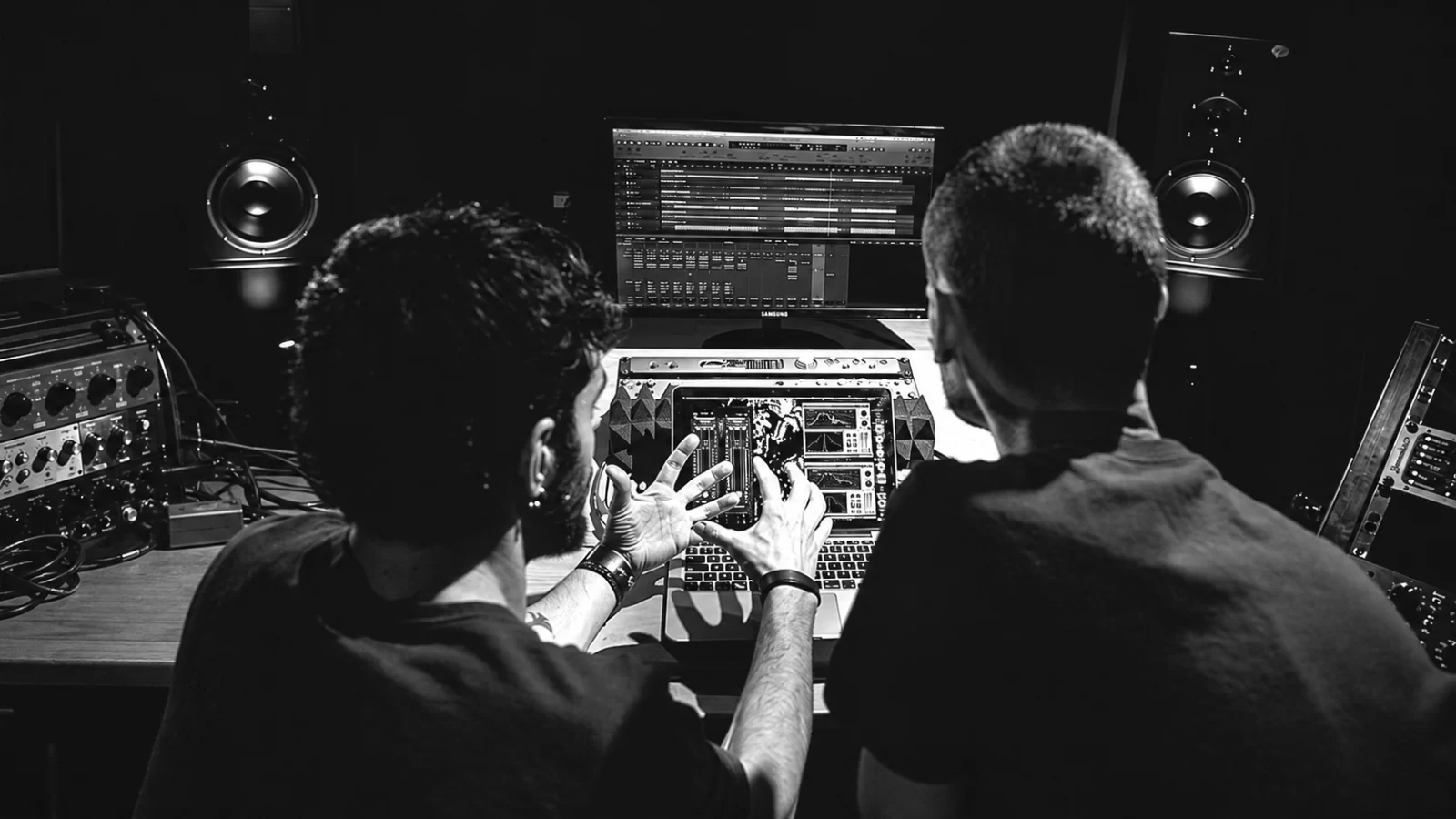
Our early recordings and concerts were totally improvised. I played a sampler and reel-to-reel tape loops, and Rich used a synth, drum machine and metal percussion. Our friend Aron West used an old Mac computer for sequencing and generating sounds. From about 1998 to 2008, most of the studio recordings were made by Rich. I would add sounds here and there and we collaborated on the live shows. For the last few years, starting with our first release on Sonic Groove, we have been collaborating on the studio recordings, sometimes working separately on tracks but often trading them back and forth. Rich excels at the arrangements and I enjoy creating sounds so this is often how the work gets divided. Currently, we have the best set-up for working together on live shows. None of it is pre-recorded so we do not have to worry so much about sticking to a set plan or accidentally deviating from it. We will have ideas about where we want the show to go but things are open to change depending on the crowd and we each have control over rhythms, samples and melodies to work on the fly. It is a lot more exciting and ideas that come out during live performances often find their way into new recordings.
03Transforming tension
Orphx sound is quite intense, powerful, cold, even angry. What kind of emotions do you try to channel and what reaction do you expect from the listener?
I think our music is a reflection of what we see around us. It’s a way of taking negative energy and emotions from daily life and working with them, transforming them. I think that those who enjoy our music also find this cathartic quality. I have always been attracted to music and art that takes a hard look at problems and challenges rather than trying to provide a distraction from them. It’s not about celebrating anger, fear or hate but about acknowledging that kind of energy and trying to work through it.
Are you inspired by architecture? Maybe you explore the industrial ruins and brutalist structures of the cold war era?
Our music is not directly inspired by architecture but I definitely took a lot of inspiration from the many industrial sites in this area, especially some abandoned sites near my house when I was a teenager. It’s obviously a cliche for someone who makes “industrial music” but those places really had a big impact on me. There is something mysterious, sad, and beautiful about large abandoned factory sites, when the structure and machines have decayed and vegetation and animal life has started to reclaim it. I have a real fascination for abandoned buildings like this.
04Scenes and possible futures
Could you present the current situation in the Canadian electronic music scene? Are there any interesting underrated artists?
It’s hard to generalize about electronic music in Canada, or anywhere else, as there are lots of different scenes. In terms of “underground” electronic music, there are small but vibrant techno and house scenes in Montreal, Toronto and a few other cities. And Montreal hosts some very good electronic music festivals such as Mutek and Elektra. There are many artists who are operating outside of the mainstream and commercial trends that many people in North America now associate with “electronic dance music”. Vromb, Huren, Thoughts On Air and The Infant Cycle are some of the Canadian artists that I think deserve more attention.
What do you believe in and don’t believe in music? How do you imagine the listener and music evolution after 13 years?
This is a pretty vast topic. Even if we are talking just about electronic music, I don’t think I can predicate what will happen over the next few years. I think there has been a general movement in live electronic music away from laptop playback and towards genuine live performance and improvisation, using controllers and/or hardware, and I hope that continues with new technologies for physically manipulating sound.
Hopefully, we will also see new ways for independent artists to make enough money to survive.
Ideally, where would you like to see your music used?
We make our music for clubs and home listening, but we are also quite keen to work on soundtracks and have our music used in more films.
What kind of personality would you most like to meet? From whom would you like to receive knowledge, strength or courage?
I’m not sure if there is a particular person that I would like to meet but it’s always a learning experience and often an inspiration to work with other people, and we’ve been lucky to have the opportunity to collaborate with some great artists.
05Work, teaching and discipline
Could you tell us about the most memorable projects, labels and collaborators that helped you? And your future plans?
In the beginning, we connected with a lot of people that influenced our music and helped us out. Jim DeJong (aka The Infant Cycle) ran a cassette label called Doomsday Transmissions that introduced us to the tape trading culture that was active in the 1990s. That inspired Rich and Aron to start up Xcreteria, a cassette label and mail order distributor that Rich operated until about 1998. Our friend Praveer Baijal ran another label, Body and Blood, that released our first track on CD and he introduced us to a lot of new music, including labels like Sahko and Basic Channel which later had a big influence on our music. Body and Blood helped us connect with Malignant Records, who released our first CD, Fragmentation, in 1996. This release led to our long friendship with the Hands label, who have released much of our work since 1998.
Our movement into techno was facilitated by Adam X, who approached us after a concert in 2008. We instantly connected with him around the idea of bringing together industrial music and techno, and he invited us to start releasing on his revived Sonic Groove label. That has been a great relationship and Adam has become a good friend of ours. We’ve collaborated with a lot of artists over the years, including Mark Spybey (Dead Voices On Air), Jim DeJong (The Infant Cycle) and Adam Fritz (En Nihil). Aron and I have started working together again under the name Oureboros, and we’ve also started up a new project with our friend Dave Foster called O/H. Dave was another big influence for us. He’s released consistently excellent music under the names Teste and Huren, among others.
At the moment, we’re working on a new release for Sonic Groove and the first release on a new label that we’re launching next year. Plus more remixes and a collaboration with Ancient Methods that should come out next year as well. We’re also putting together another small European tour for the spring and will hopefully be playing in the US later in the year.
You are both teachers as well as musicians. What do you teach and does this influence your music?
I teach human geography and politics. Politics and philosophy have influenced my music for a long time and references to different topics are often in the song titles and samples that I use.
I teach visual art and I have recently started teaching electronic music recording and synthesis. I divide my working hours between music and painting, and find that they both influence each other.
What measures do you use to improve your productivity and creative process?
Walking, mostly at night, and listening to the sounds around me. I will often hear a sound that inspires an idea for a sound or pattern in the studio.
Walking and listening, for sure. Reading — mostly horror, science fiction, philosophy. And lots of caffeine.
06Watch further
07Listen further
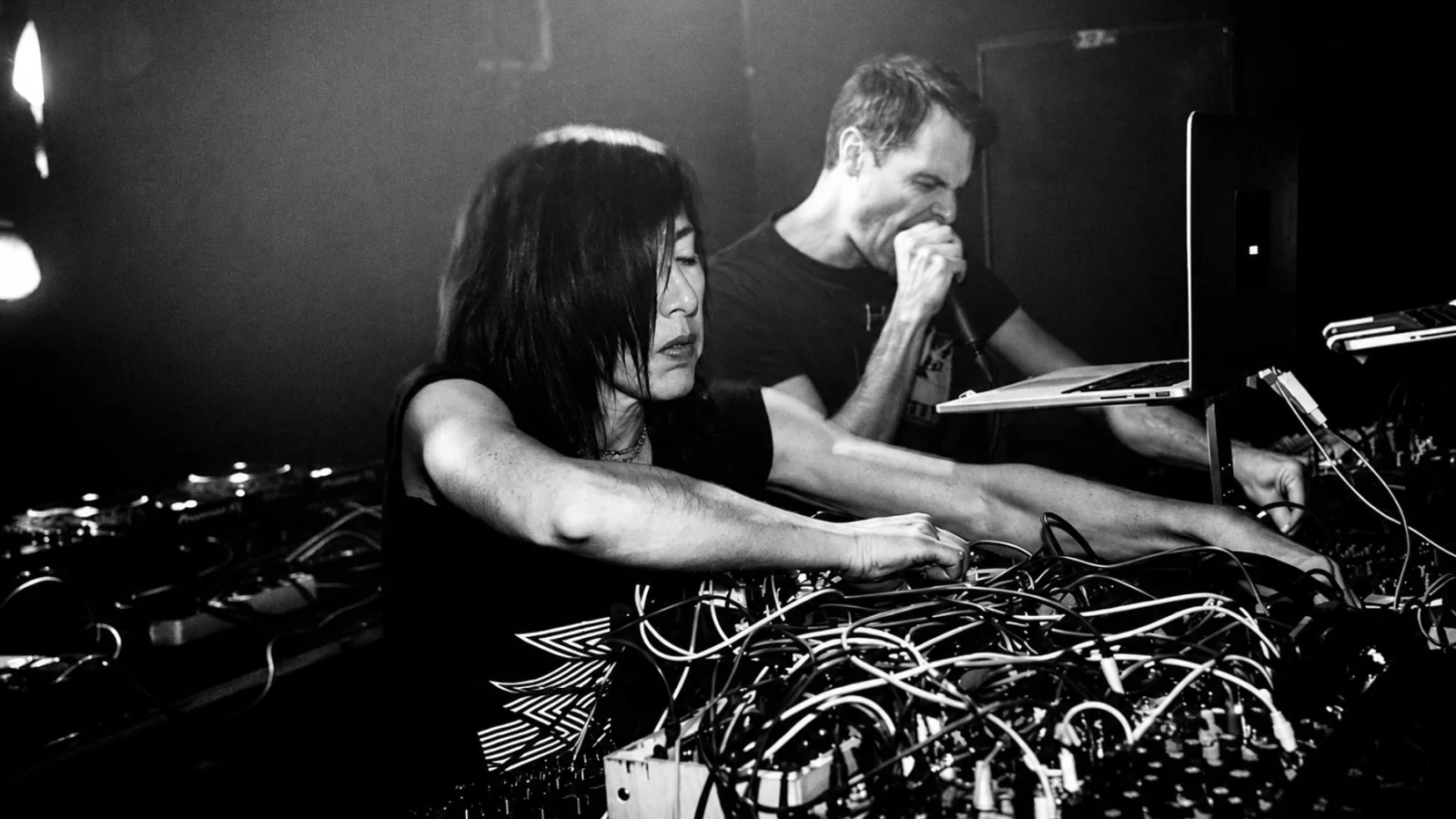
Orphx
Orphx connect 32 tracks across industrial, ambient and techno. Over 90 minutes, shifting rhythms and densely sculpted textures reveal the discoveries that shaped the Canadian duo’s sound.
O/H
Dave Foster and Richard Oddie of O/H assemble a cinematic collage of industrial music, punk and film fragments: teenage dreams and nightmares refracted through a brutally absurd world.
Sources and image credits
- Original conversation: Justinas / S13. First published 26 November 2012.
- The introduction follow the 2026 archive edition and are separate from the original answers.
- Portrait and live photographs: Secret Thirteen archive; GAndy / live photograph; Chris Christian / Kinetik Festival photograph.
- Original publication: Secret Thirteen archive.
- Portrait crops and small concert-photo restorations are AI-assisted adaptations. Original photographs are retained in the migration archive.
Archive introduction
Justinas / S13 / 2026
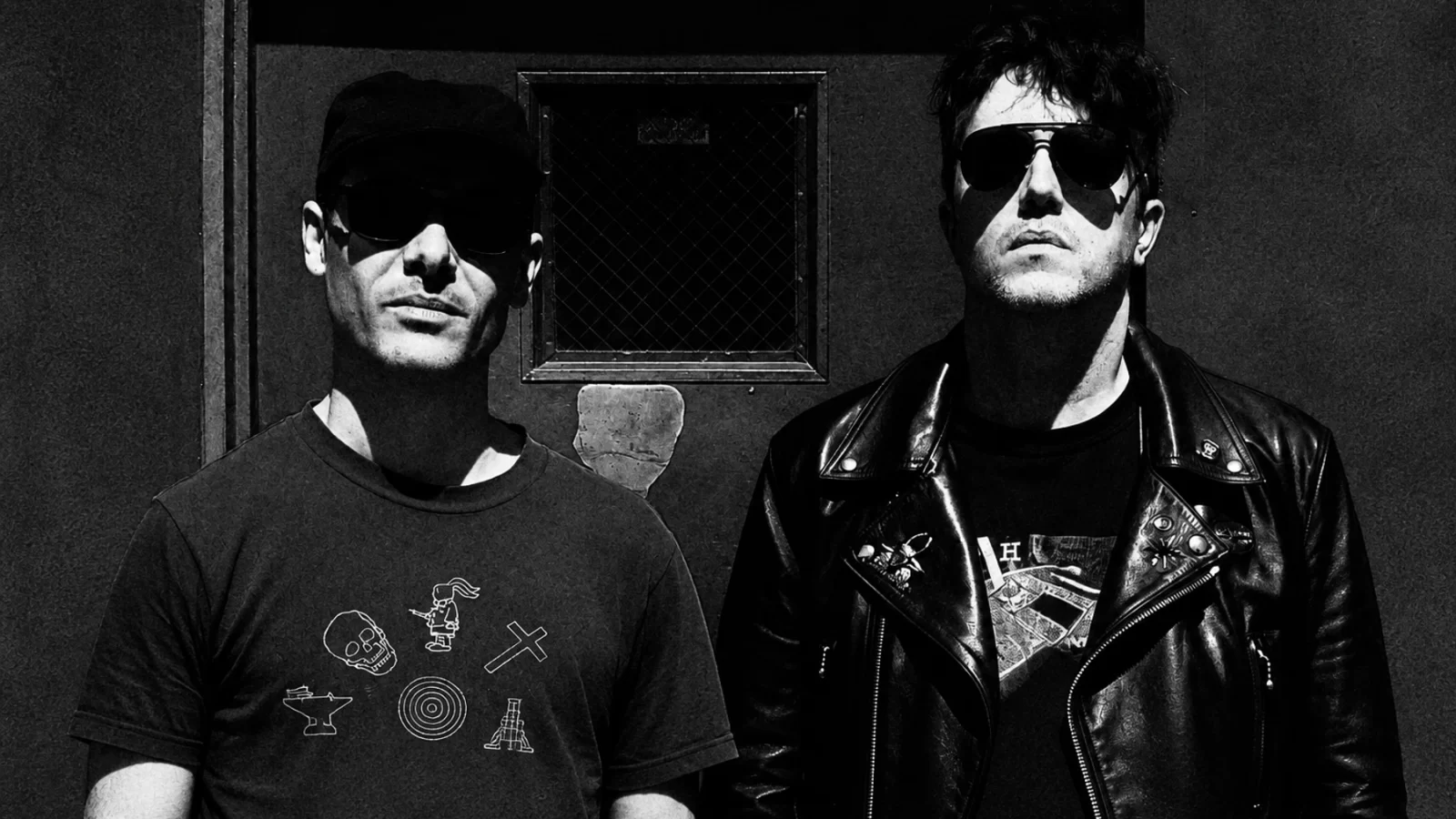
In 1993, in Hamilton, Ontario — a city whose industrial waterfront and steel mills had been slowly decaying for a decade — Rich Oddie, Christina Sealey, and a friend named Aron West started making improvised noise with whatever they could collect. One synthesizer, an 8-bit sampler, a reel-to-reel tape machine, homemade contact microphones, feedback circuits. They called themselves Orphx. The gear was minimal, the methods were self-taught, and the reference points were radical: SPK, Throbbing Gristle, Skinny Puppy, The Klinik. But also the early rave scene in Toronto, Plus 8, Underground Resistance, Basic Channel. The combination was not a compromise between two aesthetics. It was a recognition that industrial music and techno had always been drawing from the same well.
What followed was thirty years of uninterrupted work — one of the more extraordinary long-form projects in underground electronic music. Aron West departed in 1995. Between 1997 and 2008, most of the studio recordings were made by Oddie alone, while Sealey remained central to the live performances. Then in 2008 Sealey began working with modular synthesizers, which changed the sound entirely — a more tactile, unpredictable, physically manipulated texture entered the work and never left. Their move to Sonic Groove in 2009, brought about through Adam X, exposed them to the global techno circuit: Berghain, Tresor, Berlin Atonal, Mutek, Unsound, Movement. The rhythmic noise scene they had helped build in the 1990s was now converging with techno from the other direction, and Orphx were at the precise point where those currents met.
When this interview was conducted in November 2012, they had just released their first Sonic Groove material — the Hunger Knows No Law 12″ had come out that year, Sealey’s modular system was becoming increasingly central, and their live sets had shifted from fixed arrangements to full improvisation. They were in the middle of one of the most productive periods of their career. Both Rich and Christina answer here — their voices distinct, complementary, and exactly as the music suggests: one drawn to theory, politics, and external reference; the other focused on texture, process, and the physical act of making sound. The interview was conducted remotely.