Interview
Simon Scott Sounds from the Marshes
The Slowdive drummer and solo composer on field recording, rhythm and the Fenlands. A 2013 conversation about the sounds of water, changing technology and finding beauty close to home.
Read the conversation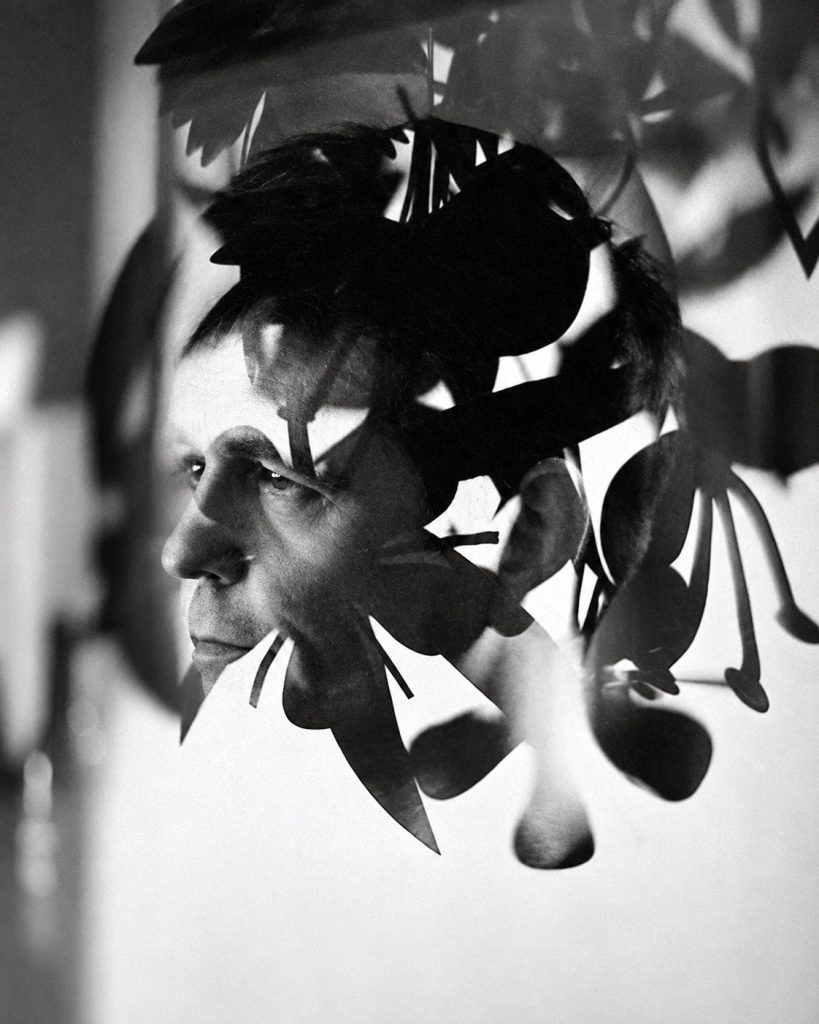
Sounds from the marshes, sounds from the sea – the interview with Simon Scott
Simon Scott musical path has been marked by beautiful sonic structures and landscapes. Whether he was drumming for Slowdive, definitely the best shoegazers of the decade, or embarking on a journey to nature inspired sonic depths as a solo composer, the presence of same organic pulsations are felt. While Slowdive introduced the spacious and beautiful sounds of summer meadows and clear blue skies, Simon Scott explored more abstract direction inspired by water and field recordings of organic sounds in the marshes of The Fenlands lying below the sea level. Yet nature is always an important aspect and source of inspiration for Simon. His notable drone recordings such as “Navigare” and the most recent “Below the Sea Level” resonate with flat marshy drained landscapes and the cold horizons of the North Sea.
Thus, Secret Thirteen is really proud to have this legendary man in the interview section, where he tells about his creative methods, inspirations, the beauty of noise and silence, East Anglian landscapes and Slowdive.
01Slowdive and a wider musical map
You have contributed a lot to the shoegaze scene. How do you see it today? Looking from nowadays perspective, how does it feel to be an important part of such influential genre? What do you think about its recent revival?
I really enjoyed drumming for Slowdive and I knew we had a great chemistry when playing together on those first two albums. It is very flattering, when I hear that an artist or a band whose music I like, state us as an influence. When Nirvana went huge, shoegaze was a berated genre, so I am surprised that we are now being mentioned so frequently and respectfully these days. The scene, that was created by the UK music press, didn’t last long and most bands in it quickly jumped on the britpop bandwagon but my perception of Slowdive was always as outsiders to any music scene who ignored the chart positions and didn’t count how many albums we sold. Maybe that is why we are still talked about today and are rediscovered by new generations of music aficionados.
In your recent Secret Thirteen mix, we noticed quite a variety of genres ranging from jazz to ambient to neoclassical. How do you manage to channel all those influences in your music? What are your most influential artists and what do they provide you with?
I listen to music without being aware what the defining genre is and not consciously thinking that one track is jazz, another is classical, or a folk song. I am always open to listening to anything regardless of who the artist is or what the type of music is, even if it is something considered uncool. I am always on the hunt for new music, so my influences evolve as I listen to more music over time. I can hear various subtle influences seep in and out of my tracks, but I certainly don’t aim to create music that falls into one specific genre as it is important to me to make music that is fresh and unique.
02Water, rhythm and place
Your album titles and your sound seem to refer to wide natural spaces or sea depths. What do they mean to you? How do nature/water/open spaces resonate with your feelings/creativity/inspiration?
I always mentally picture myself in a specific environment, when I write or perform and I am attracted to the sea, the coast and the river, and it is one of these places that I usually mentally put myself in. I love the dissolving coastline, when the elements are fierce and the expansiveness of the ocean captures your imagination. ‘Navigare’ is Latin for ‘to set sail’ and as it was my first solo album, so I found it a symbolic title for an album based on water soundscapes and a journey into the unknown. ‘Below Sea Level’ is an area of reclaimed land (from the North Sea) that has sunk below mean sea level, hence constant flooding and it’s interesting history of drainage, that is right on my doorstep and was the inspiration for my last record. I often tend to musically return to water, in its many forms, as inspiration in the same way that people go to the seaside for a holiday to restore themselves.
You are a drummer, but most of your compositions are more or less ambient/drone based. How do you channel your sense of rhythm to them? Is it difficult to switch minds from drummer to ambient/drone composer?
I actually think, that all of my work is rhythmic to be honest, but up to now it is usually without beats or a drum kit pounding away in the arrangements. I usually find patterns of rhythm in wildlife sounds or environmental sounds, noises and unusual sonic information, so I guess it all depends what your perception of rhythm is. I’ve recently enjoyed drumming for UK guitarist James Blackshaw, and I still consider myself as a drummer and sound designer.
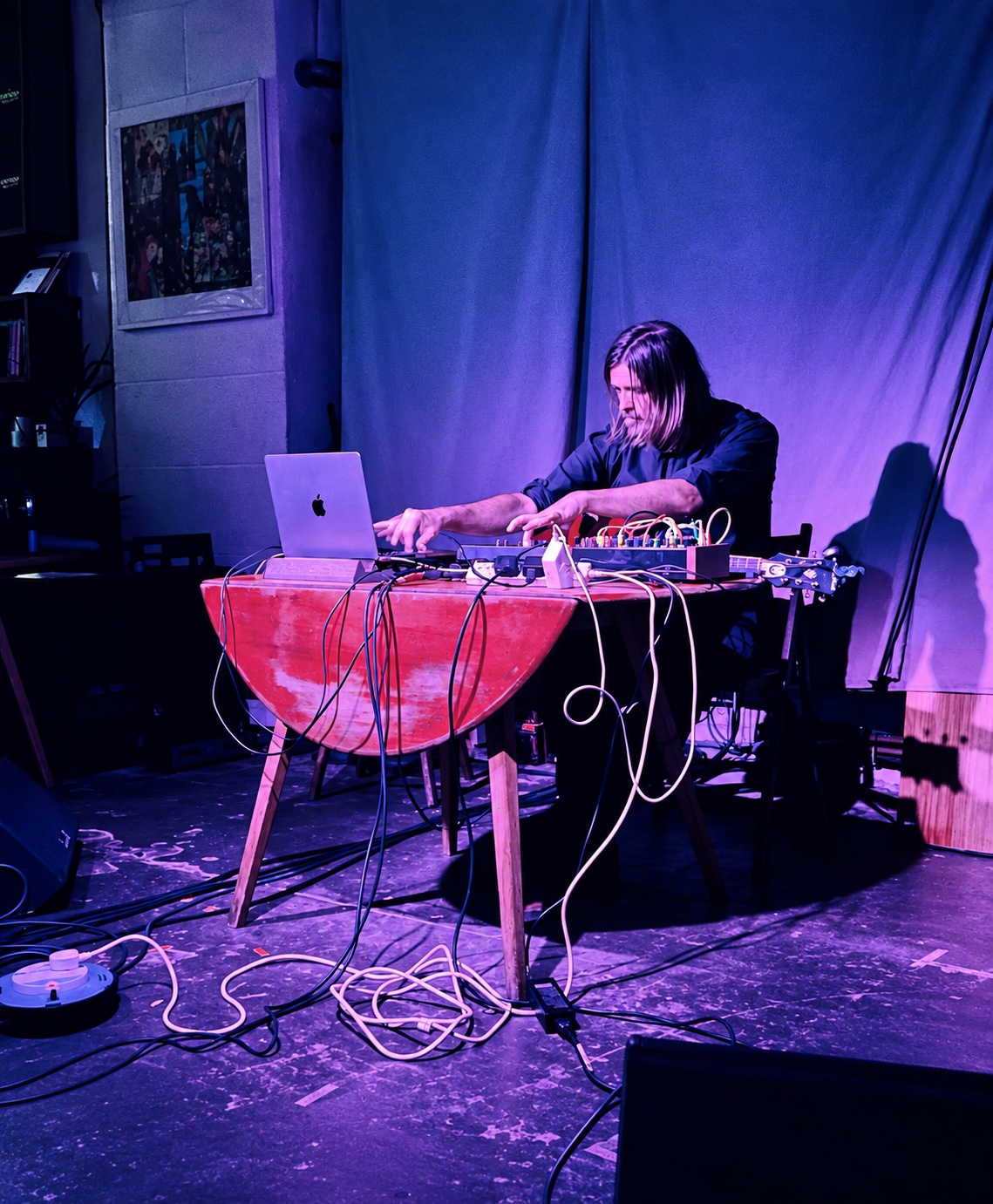
You live in Cambridge. What made you move and settle down there? How does this place influence you as an artist? Maybe you find it as shelter for the fast paced modern world?
Cambridge is where I have roots as I was born and bred here. I like the vibe around the place but I find my best ideas develop from being just out of the city in The Fens. I do like the creative energy out there, especially when the wildlife is especially active, and I am lucky that I have such an environment on the doorstep of this city. Because I travel abroad a lot to perform I don’t feel trapped inside a Cambridge cocoon and the slower pace of life here enables me to consider the modern world in a calmer mood.
03Making, beauty and technology
How do you construct your pieces? How do you come up with the idea what sounds to use and how to process them? What part of the idea comes first?
First of all I try to get the framework clear in my head about what I want to record and what the record should sound like. For example, “Below Sea Level” (released on 12k in 2012) came from my search for a new musical pallet that wasn’t a traditional instrument. The album became a massive research project into environmental sound and I loved how my listening skills became finely tuned from the process of learning how to record wildlife and outside sounds. The hard part was in post-production where I had to balance the organic and processed (in MaxMSP) sounds to keep the Fenland character and natural sounds present but twist the recordings into compositional forms.
I am currently exploring the acoustic guitar once again, after a long period of not playing a guitar in the studio, and I may even return to the drum kit soon. Nothing nothing is final and I may discover a sound source that becomes the framework for an album idea unexpectedly, or visit a new environment that demands my devotion to it.
What is beautiful to you? How would you define beauty? Maybe you have some specific symbol/idea/concept for it? What are the most beautiful things in your life?
Beauty is subjective of course and I tend to change my mind about what is and what isn’t but I like paradoxical beauty. I like silence and tranquility but also love howling feedback and walls of noise. A good night’s sleep is beautiful but also a late night playing or listening to music and staying up with friends is also a beautiful thing. How a child perceives the world is worth mentioning.
Having had quite a long career in music, what do you think about new technologies in music? Are they more constraining or liberating? Do you find them positive?
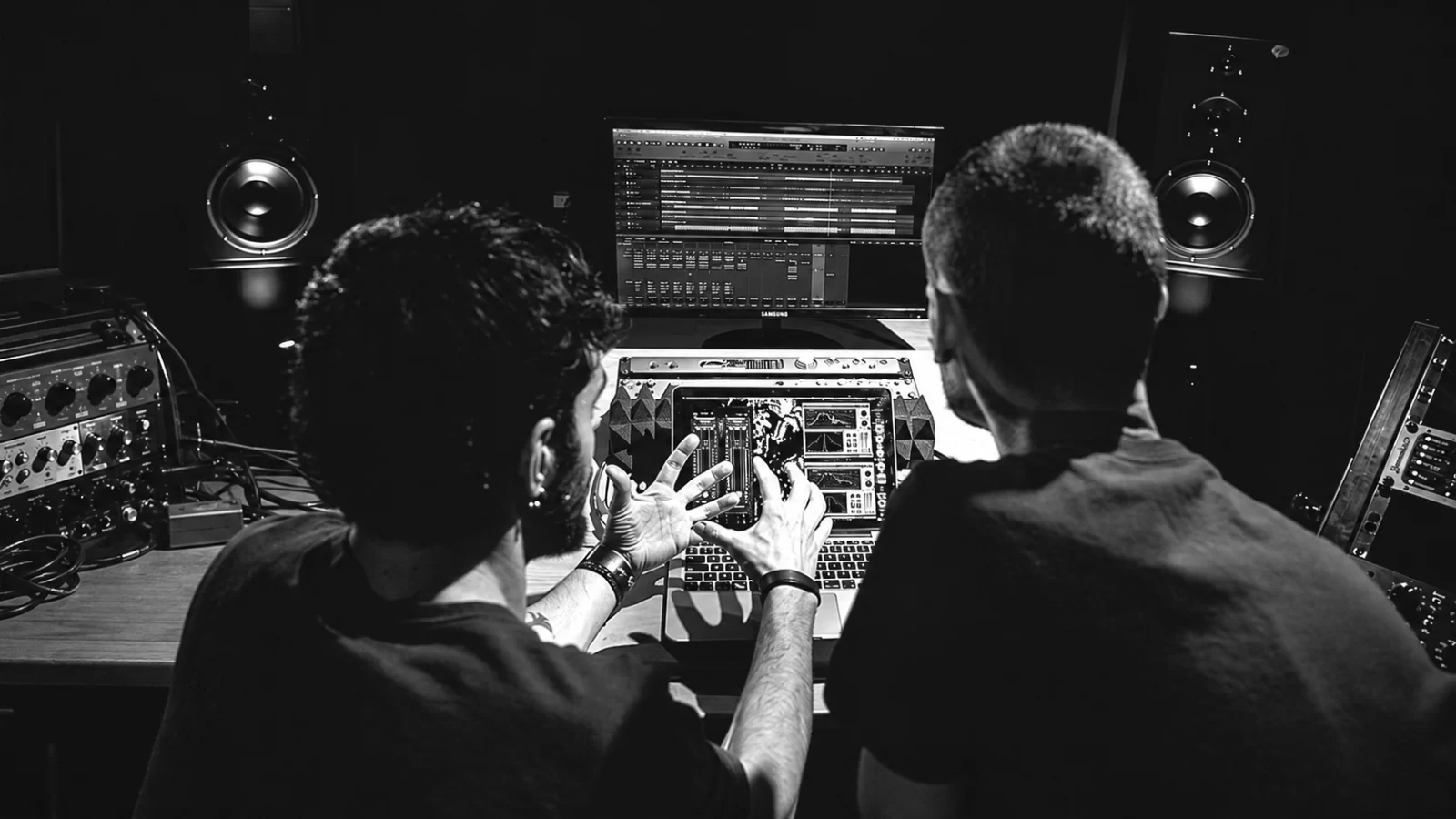
I love the speed at which we can produce and edit music and the mobile aspects of using a DAW on a laptop. I try to combine old and new technology as 100% digital can be very cold if used exclusively. However, I think the developments have unfortunately fooled some people into making music that is too informed and led just by technology. It is also harder than ever to get heard and easier than ever to make music, so I hope musicians and songwriters just starting out don’t get too trapped inside technology rather than the human elements of making music. Essentially technological improvements are vital for music to progress and to inspire new forms of creative processes.
04Reunion and other inspirations
Is there any chance of the reunion of Slowdive someday? Do you still keep in contact with other members and what do you think of that idea?
Yes. we are all in touch via email, but we haven’t discussed a reunion, so I don’t know if we will ever play together again. I do like the idea of playing those songs after almost twenty years and I often listen to “Souvlaki” It’d be fun to play live and travel with those guys again, but I have no idea, if it’ll ever happen.
What other art forms apart from music inspire you? Some particular works or artists?
Many things inspire me, including photography, illustration, film and literature, but specifically nature and the landscape. My main inspiration over the past few years, as previously mentioned, is the Fens and the ecosystem out here in Cambridgeshire. It was destroyed by man’s greed and almost wiped out certain species of wildlife, but luckily The Great Fen Project and various other wildlife trusts bought back areas that returned to their natural wetland states. I recommend reading works by Bernie Krause or R. Murray Schafer if you are interested in environmental sonic art. I am fascinated with sound and the hidden music, micro-sounds in the environment. I often take hydrophones and contact mic’s to places, where I play live and spend any free hours recording anything and everything that makes an interesting sound. So I guess you could say that I am inspired by rivers, air conditioning vents, ATM machines and wire fences! I have a great sound bank of environmental sounds that I will explore for micro-melodies and sound timbers very soon.
05Listen further
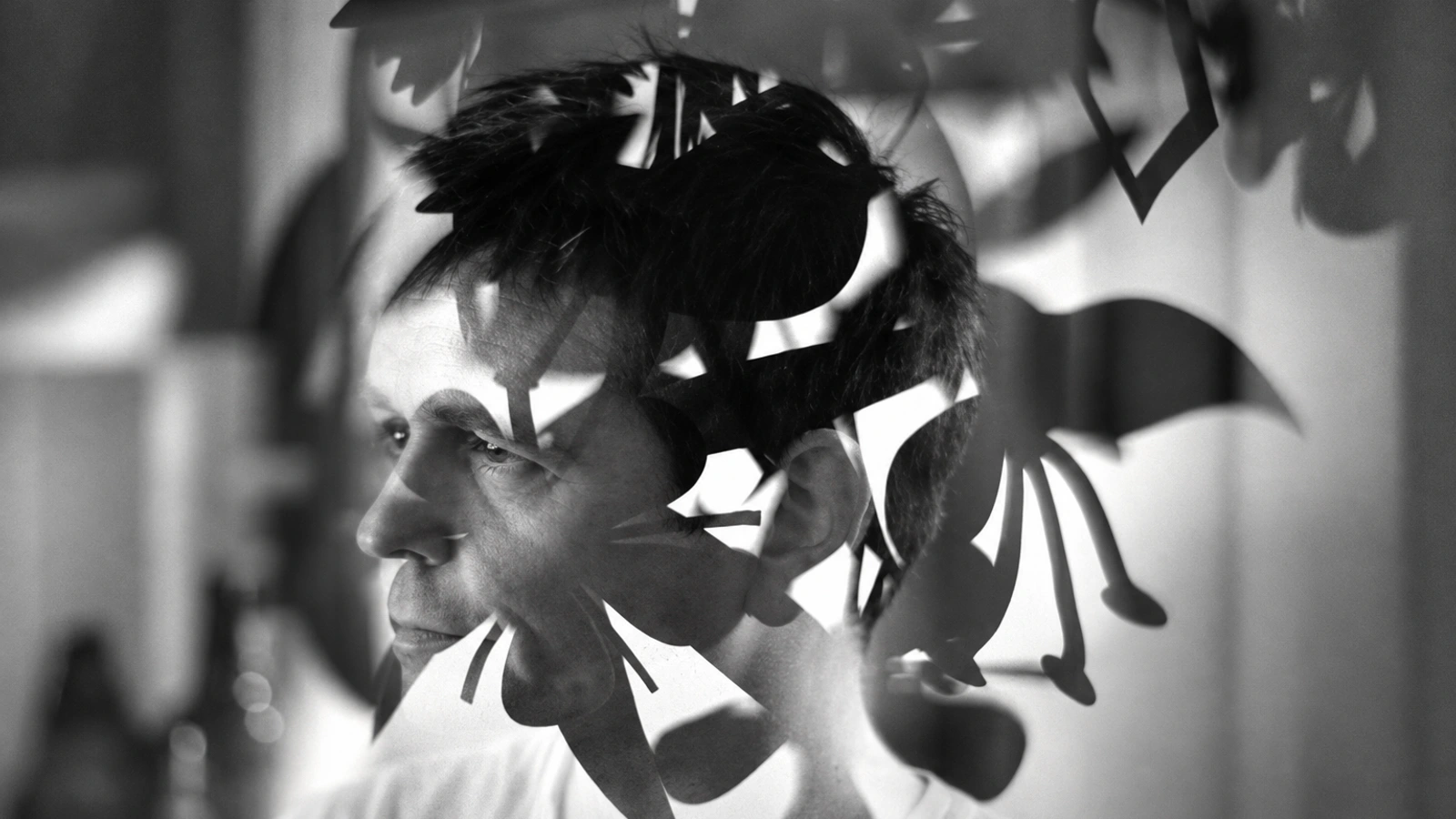
Simon Scott
Acoustic guitar, exploratory jazz and contemporary composition unfold in an unhurried sequence, where delicate improvisation and resonant strings make room for intimate songs and quietly shifting emotion.
Sources and image credits
- Original interview: Paulius Ilevičius. First published 2013-11-25. The complete original introduction, questions and answers are preserved.
- Simon Scott / Photo: Marcus Fischer / Restored photograph
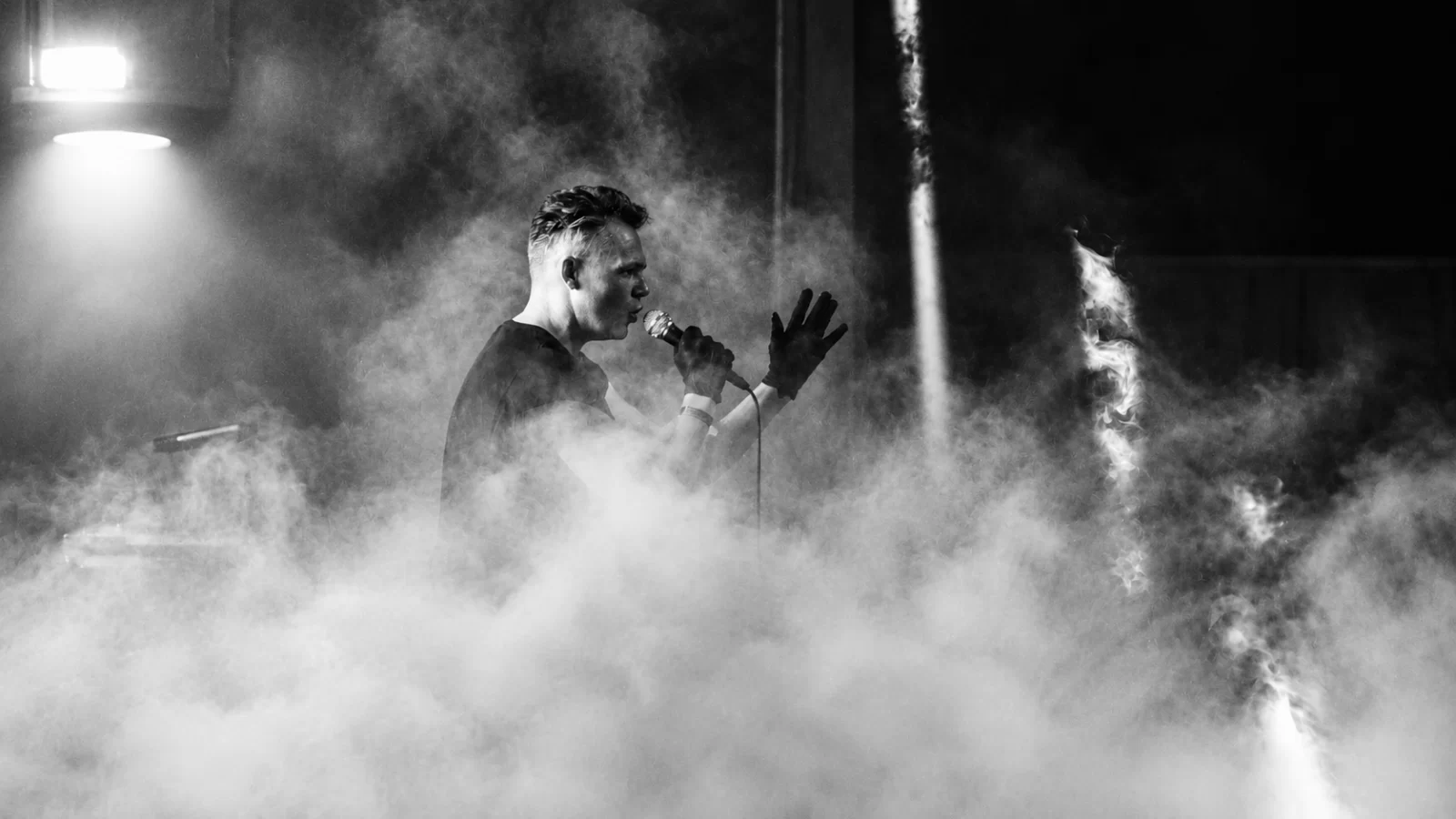
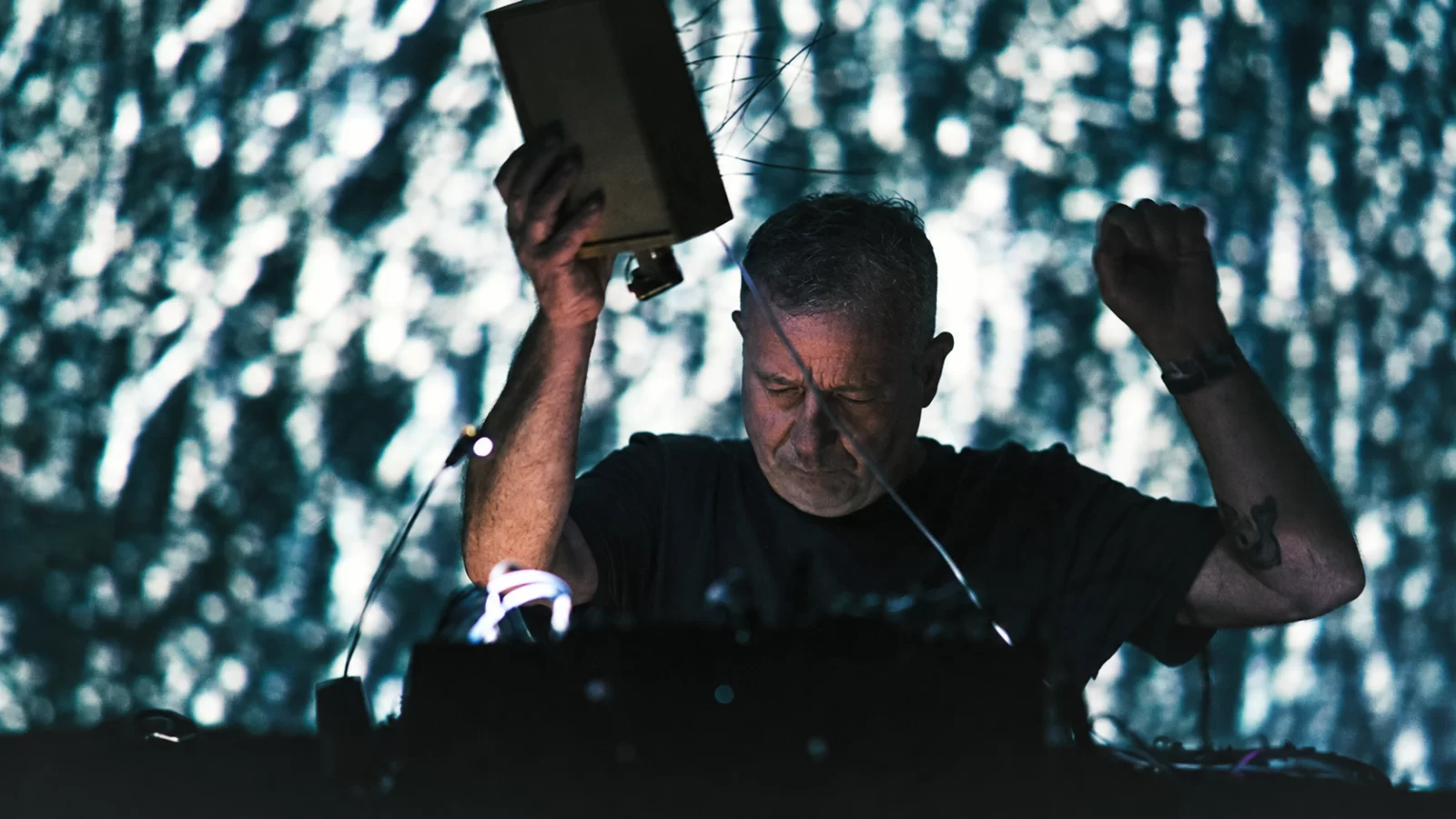
- Simon Scott / Live photograph accompanying Simon Scott Live2022 / Artist archive / Venue and photographer uncredited / Restored photograph
- Image source: Publication and credits.
- Original listening reference: Archive media link.
- Original listening reference: Archive media link.
- Original listening reference: Archive media link.
- Original listening reference: Archive media link.
- Original publication: Secret Thirteen archive.