Alan Dunn
The sounds of ideas formingNew Blood / 2013
Alan Dunn layers 55 works around silence, water, revolution, grey, catastrophe, background and numbers: a one-hour soundtrack intended for listening in motion.
Listen to the mix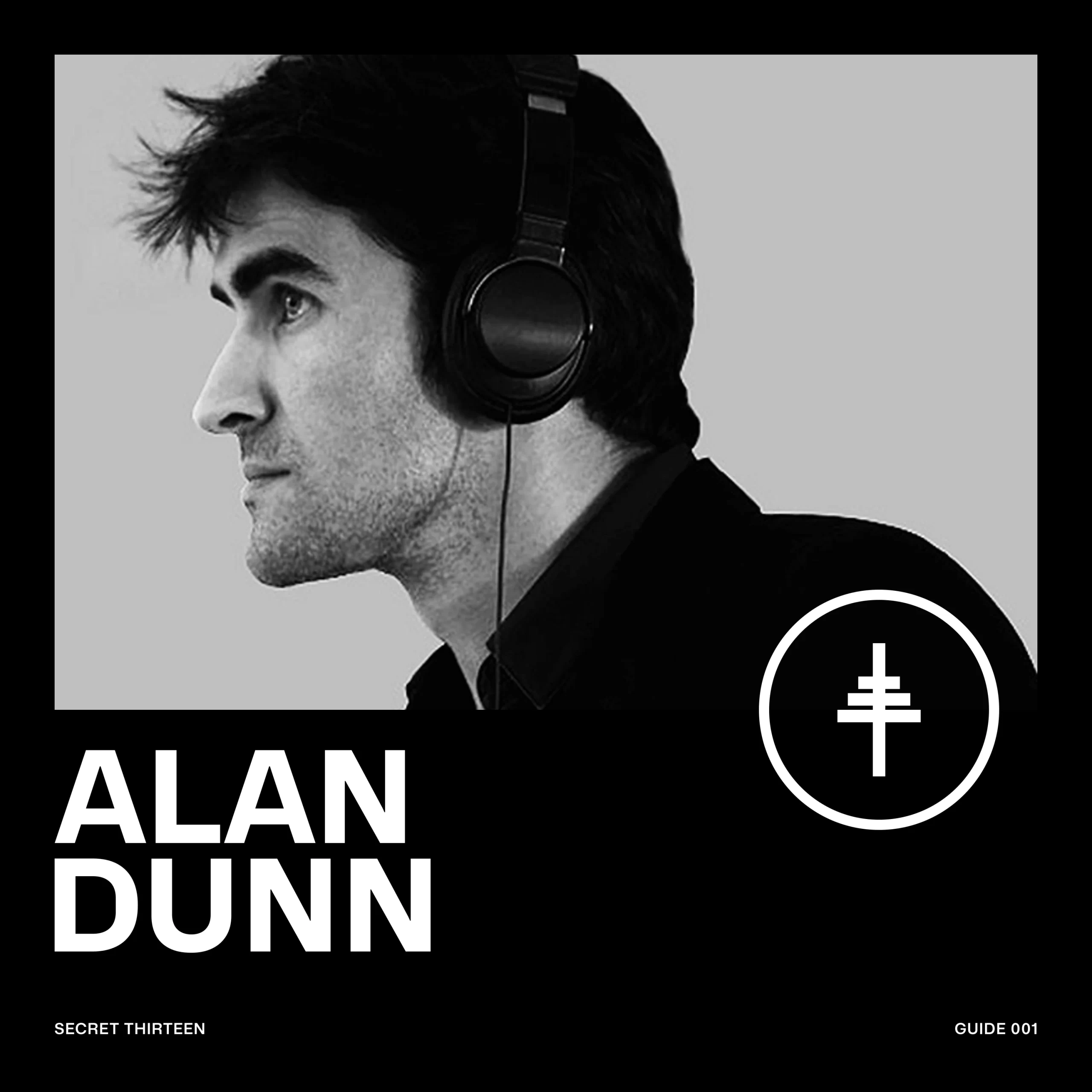
- Age: 45
- Name: Alan Dunn
- City/Country: Glasgow/Liverpool, UK
- Occupation: University lecturer, artist, curator
- Favourite music genre/style: avant-garde meets pop vs. hardcore punk
- Notable musical achievements: The sounds of ideas forming was presented in 2012 at the ICA in London alongside Bruce Nauman’s DAYS and at Cirrus Gallery and SOUNDWALK2012, both California.
Alan Dunn on the mix
Tell us your story about your musical path. When it started, how it turned into what we hear right now? How much time you are spending listening to music and exploring diverse catalogs? What record format do you prefer (digital or physical) and why? Also, what were the motives to register to “The Guide” competition apart from winning?
I studied visual art at Glasgow School of Art and The Art Institute of Chicago between 1985-1991 and first worked with sound on the 7” single Take the mic away (Bluecoat Gallery, Liverpool, 1997) in collaboration with musicians such as Philip Jeck and artists including Jeremy Deller. From there, I started to produce limited edition CDRs of found sounds and artists’ works that were greatly influenced by conceptual collections such T5 – Ritual: Magnetic North (Touch, 1985) and Miniatures: a sequence of fifty-one tiny masterpieces (Cherry Red, 1980).
Between 2008-2012 I worked on the 10xCD opus The sounds of ideas forming that this playlist represents, combining commercially available music, archival material and sound art created by students I lecture at Leeds Metropolitan University. I adopt a non-hierarchical approach to curating sound and Turner Prize winners next to art students, Leadbelly next to dubstep and readings from my children next to John Cage. For each CD I create a large temporal and spatial range from intimate sounds of typewriters through to recordings from deep space and from four-second excerpts of silence through to twelve-minute soundscapes, all contained within 12cm diameter discs that spin between 200-500 revolutions per minute.
My motives behind this Secret Thirteen mix are to offer listeners a dense and diverse selection with the request that it is listened to while in motion. I listen to sounds every day but for the past four or five years it has been exclusively during urban transit, buses, taxis or trains, and it is from this perspective as passenger that I present this mix. It can be listened to while sitting backwards and travelling forwards and sound leakage is encouraged to let the real world din of Russolo’s Art of noise permeate the content.
Tell us more about this mix concept, ideology and why did you choose this way of compiling and developing it? Did you have the clear idea from the very beginning or did it change after you started working on it? Does it hide any encoded message or specific emotions? Also, could you say that it is your best selection ever crafted?
The sounds of ideas forming begins with me commuting each day on bus number 433 through the Mersey Tunnel, under the river, and thinking about the relationship between the everyday 433 and the avant-garde 4’33” and how we are creating challenging new soundtracks for our daily journeys while denying ourselves silence. I think about a project that starts underwater and emerges from a tunnel into grey soundscapes like Stalker leading the Writer and Professor into The Zone and I reflect upon seven themes that have acted as drivers for the creative act since we started recording – silence, water, revolution, grey, catastrophe, background and numbers – themes that my current students also continue to consider.
For Secret Thirteen I have layered fifty-five pieces of content around these seven themes into a one-hour playlist and in this respect it is the most densely populated mix I have created, spanning stories and melodies, machines and natural worlds, familiar names and the unknown, children and lost languages and potentially non-human recordings from deep space. I secure permission for each piece of content, taking Barthes’ notion of the grain to get closer to the emotional drivers behind each creative act and in this respect I am interested in the definition of to record as re-coeur, to return to the heart of the sound.
As we travel through the seven themes, a narrative emerges. We begin with a remix of the silent parts from John Cage vinyl LPs layered over a how to play piano instruction and, emerging from a tunnel, we encounter the sound of dripping water, the sonic signifier of life, before exploding in revolution. Or, more precisely, the sound of artists talking about revolution. But the morning after the revolution, we drift aimlessly off into the grey, the catastrophe of nuclear meltdown and lost tongues and further back into the background before finally stripping away reality to find mere numbers behind it all as Diamanda Galas walks to the gallows over piano and the electric pulses of alva noto’s u_04.
The collections behind the mix
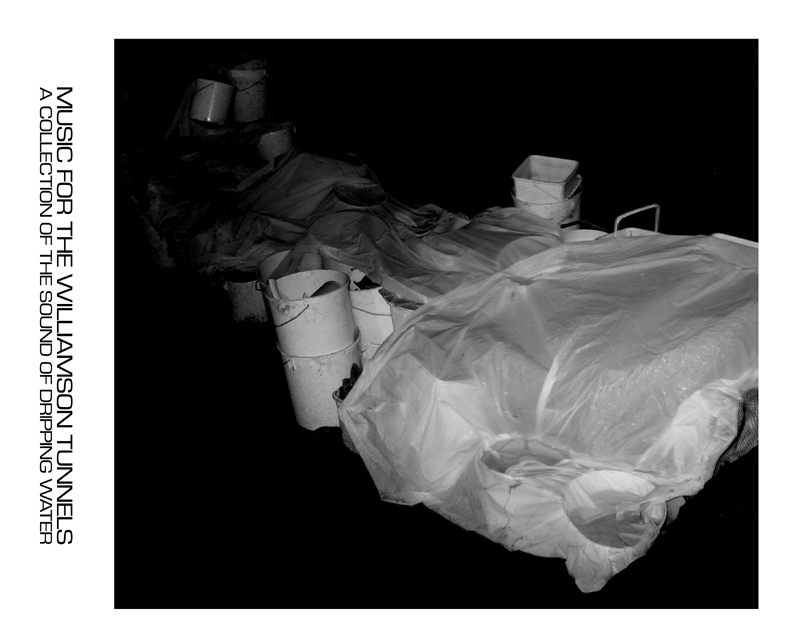
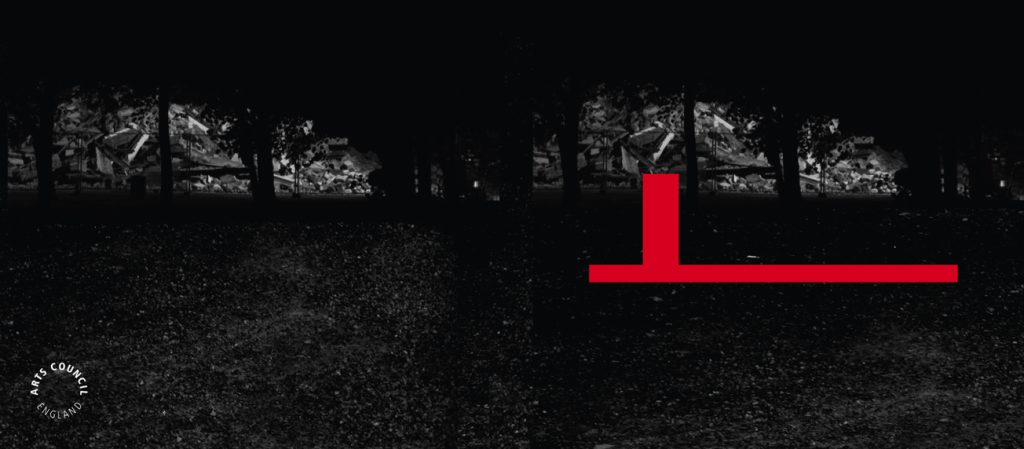
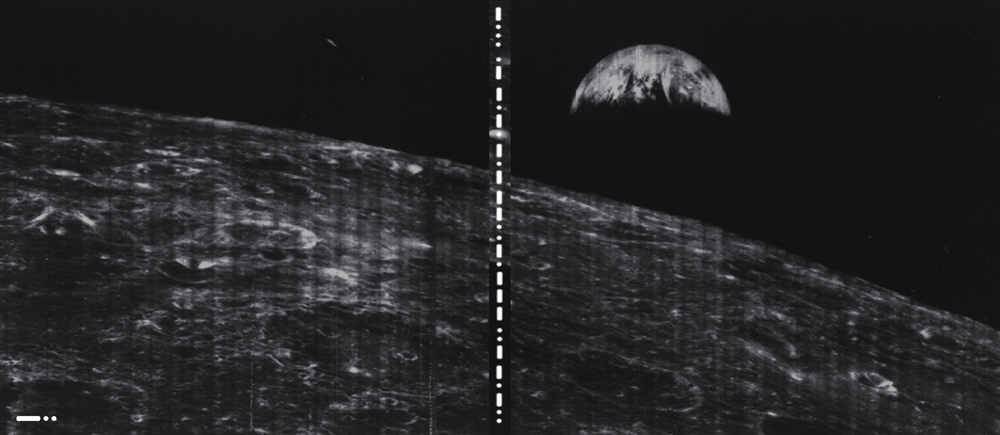
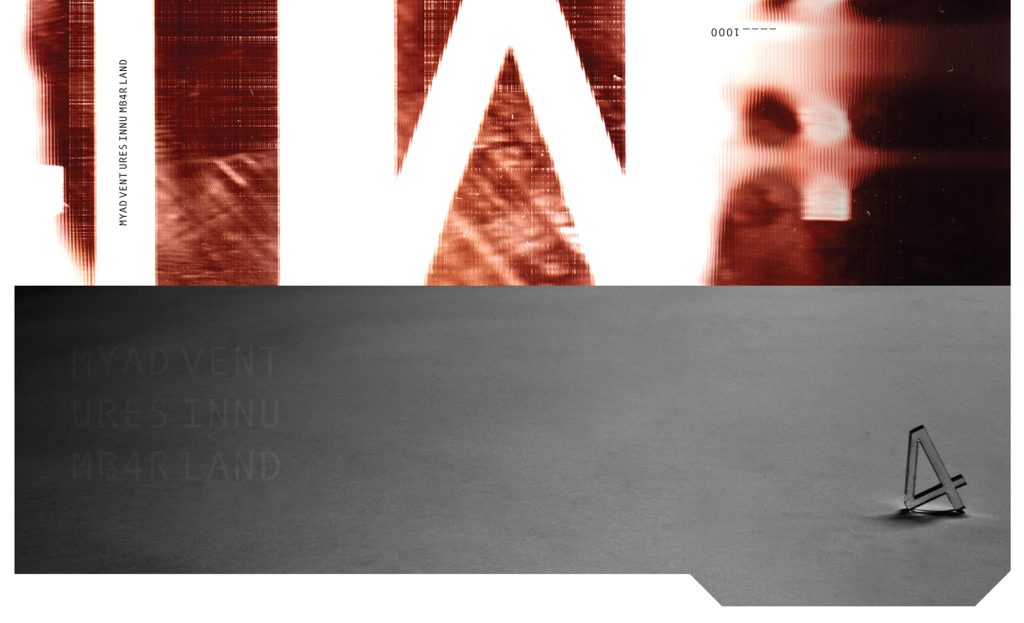
To which type of personalities this mix is dedicated most? Should these persons have more musical knowledge, spiritual balance or both? Could you describe these persons in detail, thus revealing your individuality. Also, do you think that universal music exists?
This mix is dedicated to the type of practitioner that I have been collaborating with, from the unknown student to the known artist including Chris Watson, Bill Drummond, Claire Potter, Einstürzende Neubauten, Douglas Gordon, Jeff Young, George Brecht, Guided by Voices and Carol Kaye. Each person, and my idealised listener, shares a strong work ethic, humility, generosity and a restless sensibility. Populating my mix with such personalities allows me to explore how sound, from the most popular to the most challenging, may better soundtrack our everyday lives. And while I believe that straddling the popular and the avant-garde, perhaps as The Beatles did when including Revolution 9 on The White Album, moves towards a universal music, my work proposes that it is the themes and drivers behind the creative acts that open up sounds to wider audiences more than the sounds themselves.
Tell us your opinion about the current worldwide intelligent music scene? What do you think about it? What do you think about it’s future? What dispersion and attention you see in it at the moment? Please write us your thoughts with examples, so that we know your insights and position.
I look to a moment in 2010 when The Turner Prize is first awarded to a ‘sound artist’, but at the exact moment Susan Philipsz is asked whether she is an artist working with sound or a sound artist, Tate Britain’s Penelope Curtis talks over her and Bill Drummond emerges in the background. In this split second, I see a dichotomy between sound, including intelligent music, being absorbed and tamed by visual arts institutions such as the Tate and on the other hand a figure such as Drummond who is far more fluid and challenging in his practice, coming as he does from a music industry background.
While considering these questions, I have absorbed the following content:
Joy Division Candidate
BBC Expedition to the end of the world
The Shins Strange Powers
Chris Watson El Divisadero
Einstürzende Neubauten Headcleaner I, II
The sound of Edwin van der Heide’s Evolving Spark Network, FACT, Liverpool
O. F. Bollnow Human Space
Melt Banana Blank page of the blind
Glasvegas Daddy’s gone
Nicky Hamer (Leeds Met student) Productive Fridays
Guided by Voices My valuable hunting knife
PJ Harvey The glorious land
Chelsea Wolfe Moses
Dave Berry This strange effect
In future, I see intelligent music aligning itself less with visual arts institutions or the music industry and finding its own contexts. In terms of influence, I believe in the Deleuze & Guattari rhizome model that enables students and masters, sound art and music, to be connected by themes or lines of association. We do not see many student works hanging next to masters in the world’s museums but we have sound as more of a leveller. Or rather, the sounds of themes that artists keep returning to.
The tracklist preserves the seven original CD collections and their sequence. Total duration: 60 minutes.
Sources and image credits
- Photo by Leila Romaya.
- Original release artwork: Various Artists / curated by Alan Dunn — Music for the Williamson Tunnels.
- Original release artwork: Various Artists / curated by Alan Dunn — Artists’ Uses of the Word Revolution.
- Original release artwork: Various Artists / curated by Alan Dunn — A History of Background.
- Original release artwork: Various Artists / curated by Alan Dunn — Adventures in Numb4rland.