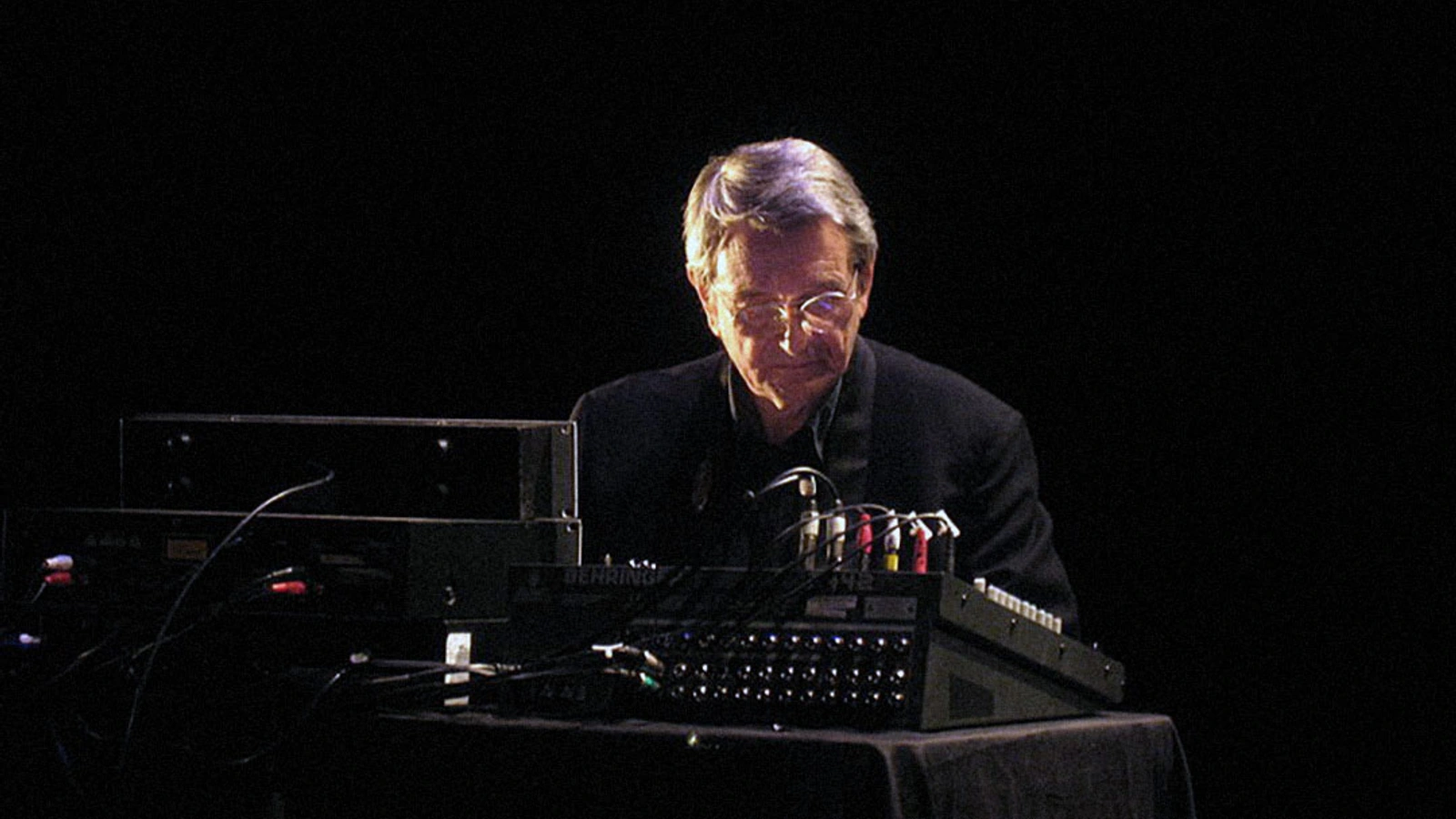
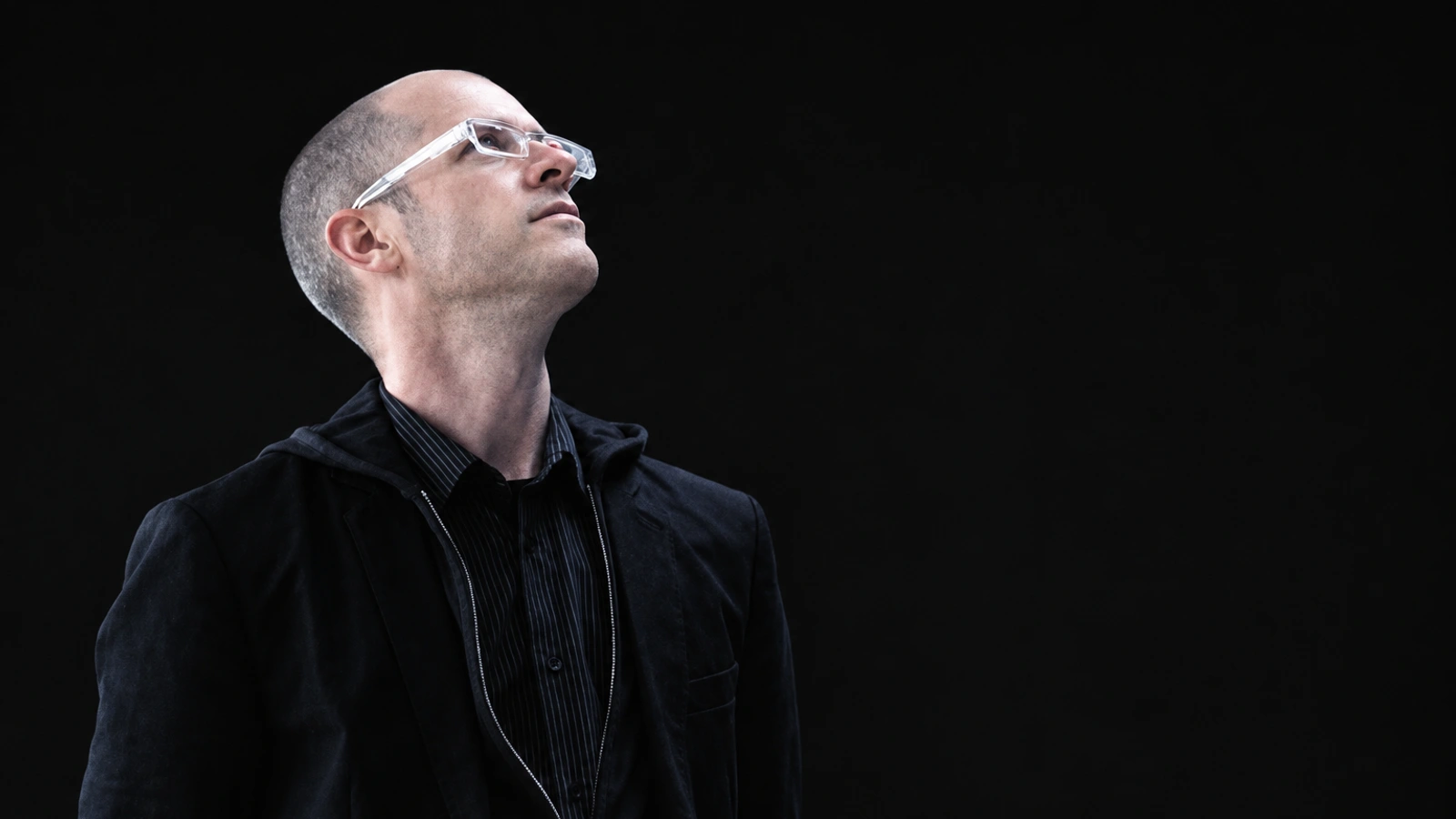
Fabio Perletta
Fabio Perletta pays tribute to Japanese experimental music, connecting delicate acoustic gestures, field recordings and electronic detail in an attentive collage of 37 selections.
Listen to the mix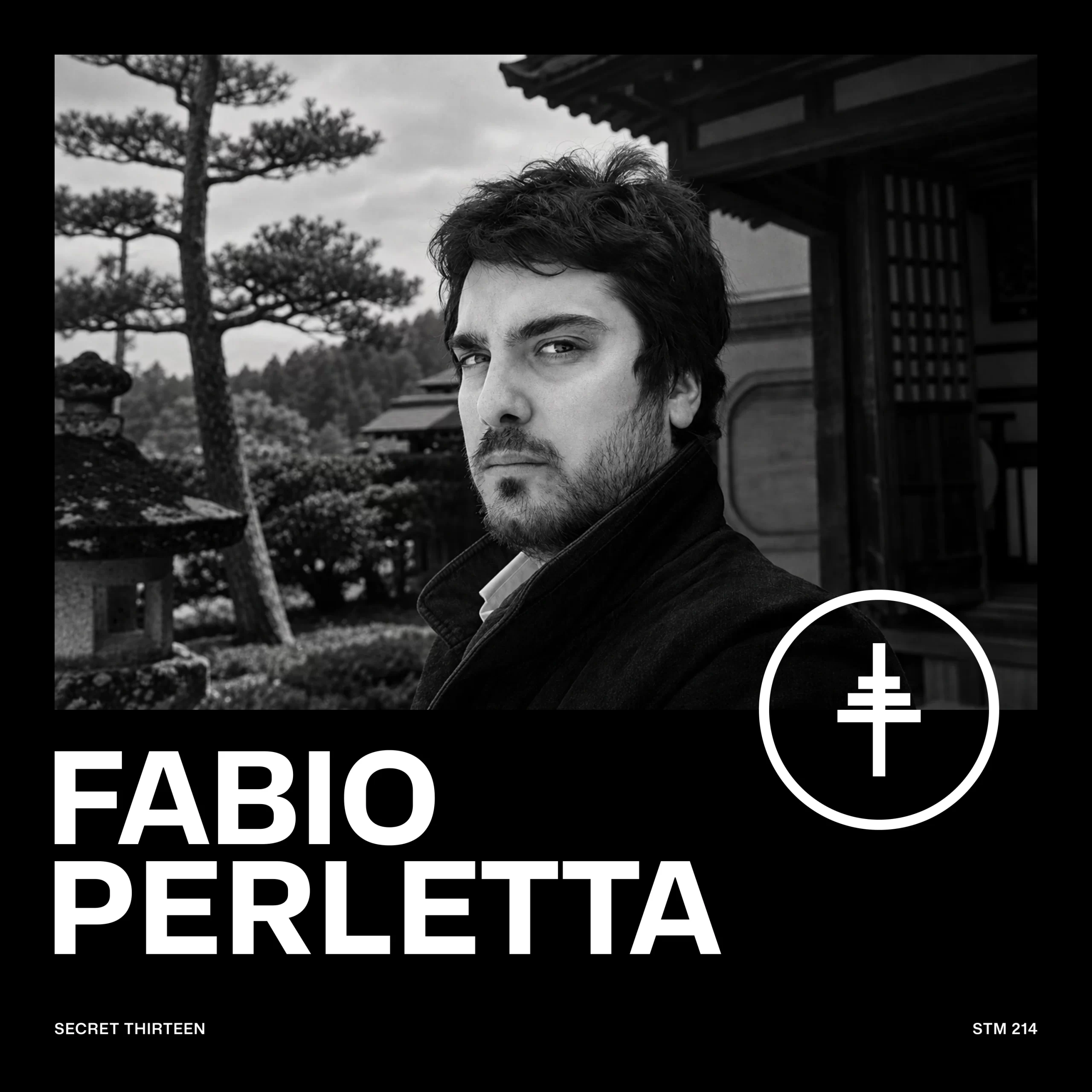
Fabio Perletta is a renowned contemporary Italian composer and sound artist, known for his atmospheric, detail-oriented approach to music. Fabio has been active for almost a decade and over that period of time he has released a significant amount of stunning material, both solo and in various collaborations. His sound installations have been featured at many revered modern art spaces around the world. Some of the artists he has collaborated with include Yann Novak, France Jobin, and the legendary Asmus Tietchens, whose sublime Fahl EP was released on Perletta’s own Farmacia901 label in 2014. Aside from this considerable list of endeavors, Fabio is working on the artistic research program “Lux”, and co-directs Mote – a Berlin-based studio focusing on visual and sound arts. A lot of Fabio’s output can be best described as ambient musique concrète mixed with “pure” electronics. What sets him apart from most is his stunning ability to focus in on the barely-audible in music – microsounds, hidden aspects – and the peculiar, rich atmospheres, given full force by Fabio’s masterful use of silence and spacing. All of these aspects are on display in his 3 Japan-themed LPs: Kaikō and Genkai (with Haruo Okada), and Ichiko.
STM 214 is Fabio Perletta’s tribute to the modern music of Japan. This hour-long single-minded collection combines 37 pieces of modern classical music, musique concrète, and ambient music, all of it by Japanese composers. For anyone familiar with Perletta’s own work, this choice should come as no surprise – the indebtedness of albums such as his most recent Ichinen (Line, 2017) to the profound clarity and purposiveness found in the works collected for this mix is striking. Fabio’s mix is the subconscious given form. It is based on a myriad of unique sound fragments, connected by the thinnest of threads – atmospheric, melodic or otherwise. This moving gallery of sound brings ever new objects or environments into crisp focus – like traveling through a palace of the mind. The effect is achieved through the works of artists from widely ranging periods and styles: from experimental pioneers, such as Toru Takemitsu and Takehisa Kosugi to more traditional musicians, such as Kazue Sawai, and more modern ones like Tetsu Inoue, Miki Yui and many others. The emotional palette of Fabio Perletta’s mix is reminiscent of Okada Kenzo’s Stream. Soft edges and soft colours, the blue is clear as if in the center of the mind’s eye, but the periphery is obscured – left for another moment.
In the records
Fabio Perletta on the mix
I created a playlist on iTunes with all my favorite artists, then I started with Toru Takemitsu and played tracks randomly on iTunes at the same time to see which one would fit. That’s how I started creating the mix step by step. Criteria I used were: correlations in terms of tonality and/or complementarity in the frequency spectrum. I would add that this mix is also sort of an homage to artists to whom I owe a lot. I am referring to Miki Yui, Toshimaru Nakamura or Marginal Consort.<...> I wanted to cover a wide range of genres, from the sinewaves-based music of Sachiko M to the dreamy and ethereal sound of Sawako/Tomoyoshi Date, of course also selecting traditional stuff like Kazue Sawai’s music for Koto, Sabu Orimo’s compositions of Shakuhachi or Akio Suzuki’s sort of primitivism, which is impressive. Japanese composers share a very unique way to approach sound which can be difficult to describe, but I find it really fascinating!
Sources and image credits
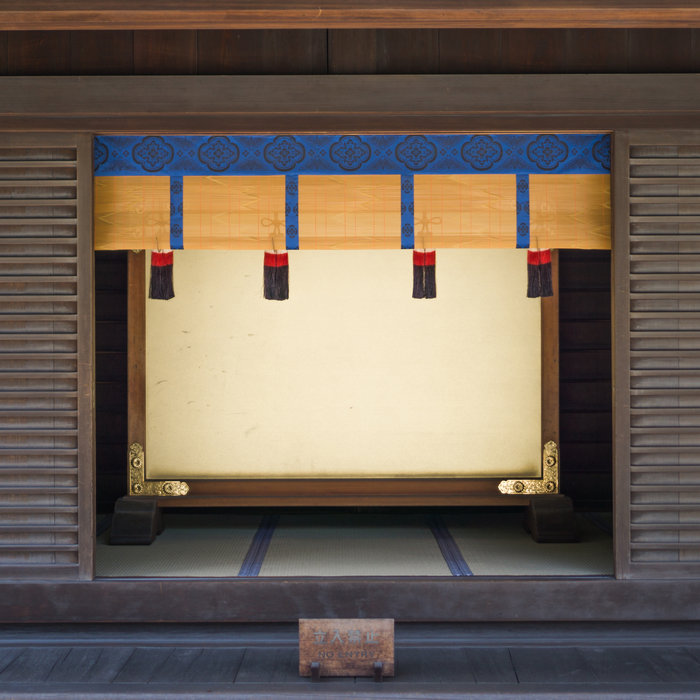
- Original release artwork: Fabio Perletta — Ichinen.
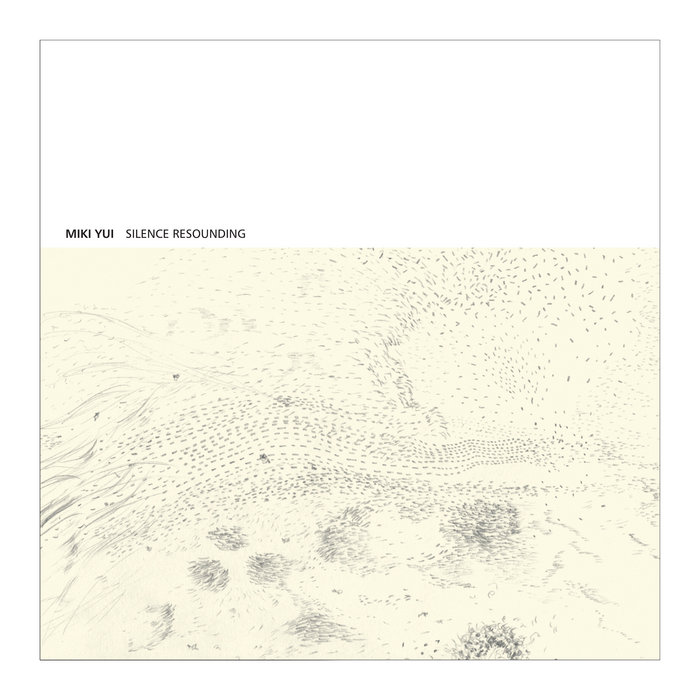
- Original release artwork: Miki Yui — Silence Resounding.
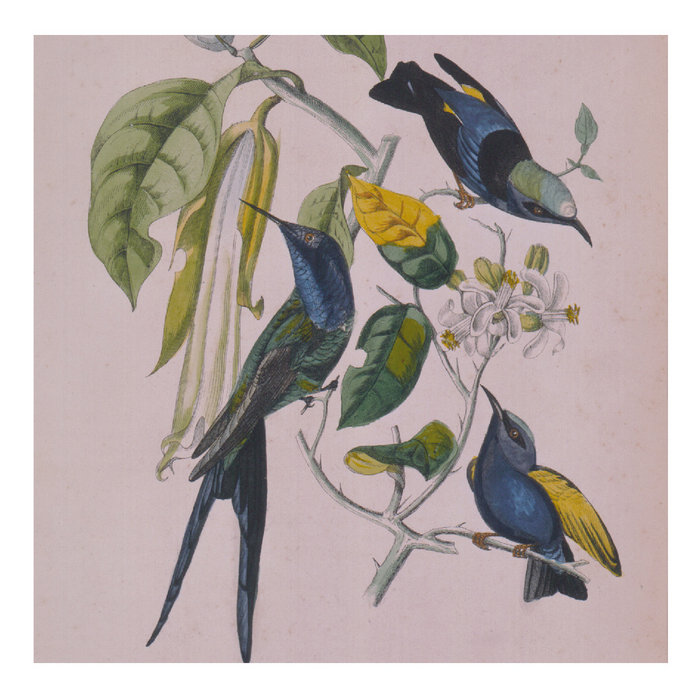
- Original release artwork: Susumu Yokota — Sakura.
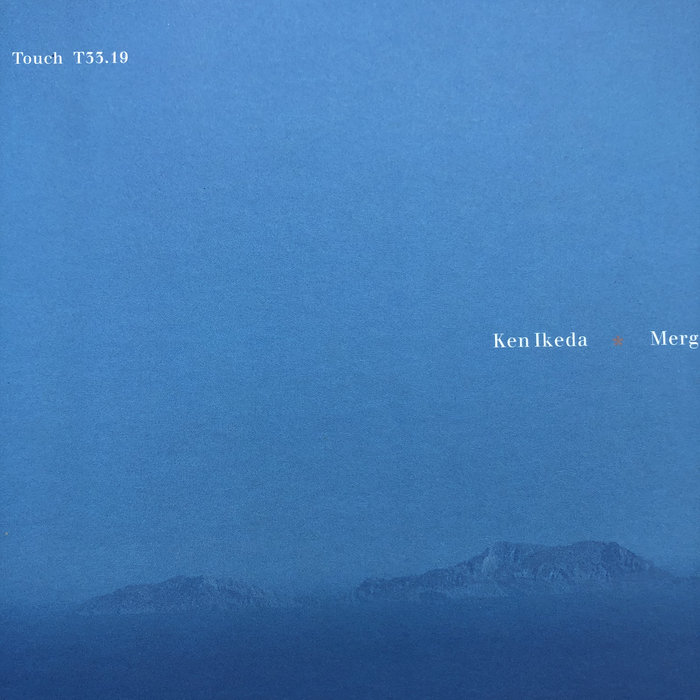
- Original release artwork: Ken Ikeda — Merge.