Chihei Hatakeyama
Chihei Hatakeyama explores Japanese recordings from the 1960s to the 1980s, revealing a world of folk traditions, contemporary composition, rock and intimate sonic memories beyond his ambient work.
Listen to the mix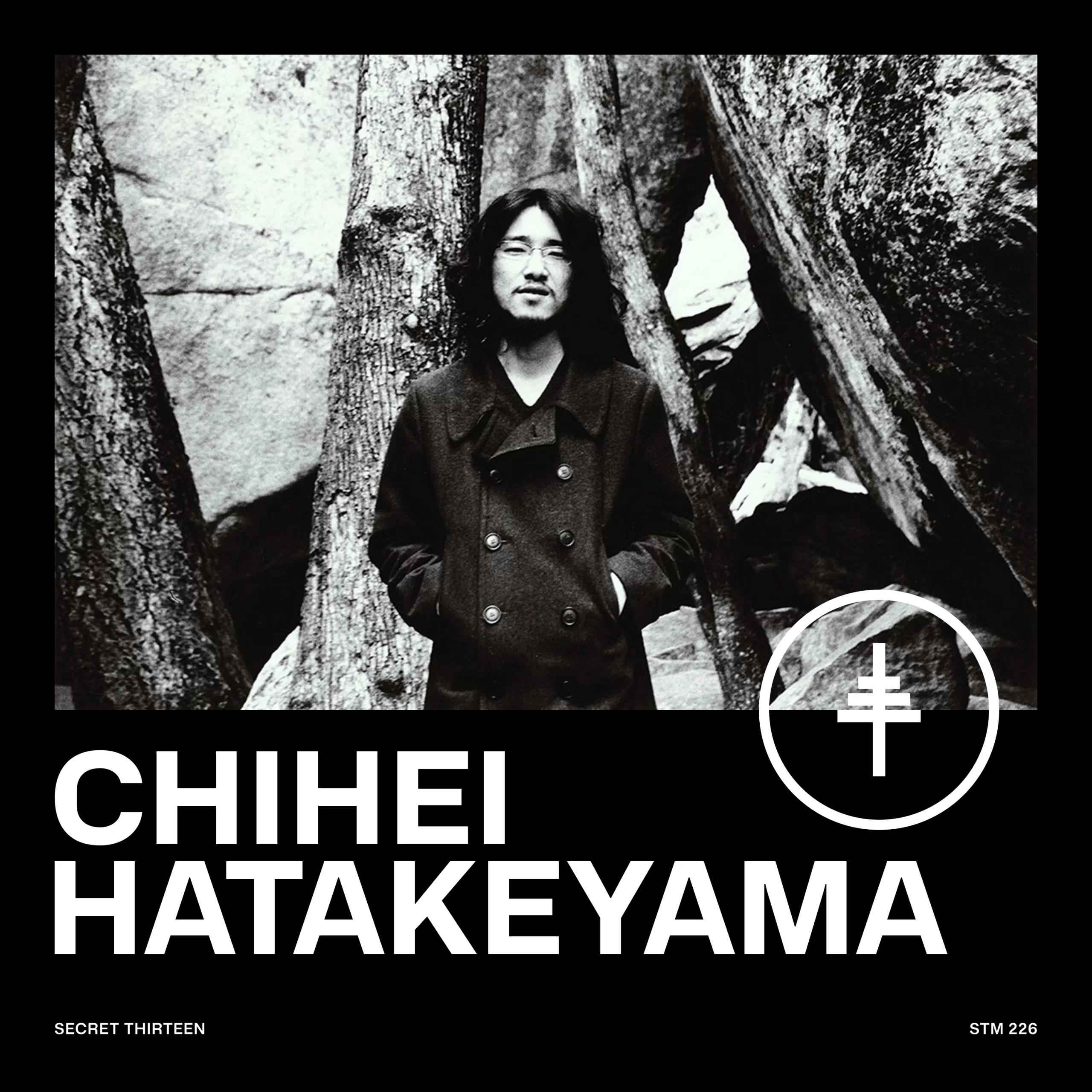
Chihei Hatakeyama is a Japanese ambient/new-age experimentalist, known for the remarkable patience and focus his works demand from both the artist and the listener. Chihei began making music just after the turn of the current millennium and has since then been releasing music under his own name as well as Opitope – an electroacoustic project consisting of him and Tomoyoshi Date. Chihei Hatakeyama is an extremely prolific musician who has released over 40 LPs over the latter decade both on his own and in various collaborations. A lot can be said about Chihei’s work in definition, due to the vast space it leaves for personal experience and imagination. Perhaps therefore, in order not to intrude on this quality, it is best to speak in broad strokes. Chihei’s music concerns itself with flowing and mutating soundscapes, which he builds using a variety of instruments, often altered beyond recognition. It presents us with an offer to step outside our rhythm and create a link with the world of his music, a world that can only be perceived at its own pace – much like Bergson’s sugar, whose essence includes the time it takes to melt in water. The proposition seems to be to cover this distance in pace, in order to experience the sublimeness of nature, which is the primary leitmotif of Chihei’s music.
STM 226 is an unexpected one due to its many eccentricities. Although a lot of the music in this collage clearly has strong relations to Chihei Hatakeyama’s own aesthetics, some of the twists here seem extreme in comparison to the tranquil nature of his oeuvre. This is a step from the abstract emotional realm of his works towards a simpler, more down-to-earth and human point of view – a lot of folk music, melodic passages of contemporary classical, spoken word pieces and even a bit of rock music perhaps as a sort of homage to his past. This change of object might be what accounts for the obvious change of pace. Nevertheless, even with a different focus Chihei has still created a narrative that is very much aware of the cosmic grandeur whose nooks and crannies we live and die in. This is certainly one for the diggers of archival material as much as it is for those gazing wondrously upon the horizon – most of the tracks are from the ‘60s-’80s, and all are from Japanese artists. The feel of Chihei Hatakeyama’s mix, commentary aside, is reminiscent of Konstantin Yuon’s 1923 painting People, where a magnificent and incomprehensibly vast sky looms over human civilization that is trying to come to terms with it and with themselves.
In the records
A special thanks to Lawrence English, the head of Room40, for acting as a medium between the journal and Chihei to make this mix happen.
Sources and image credits
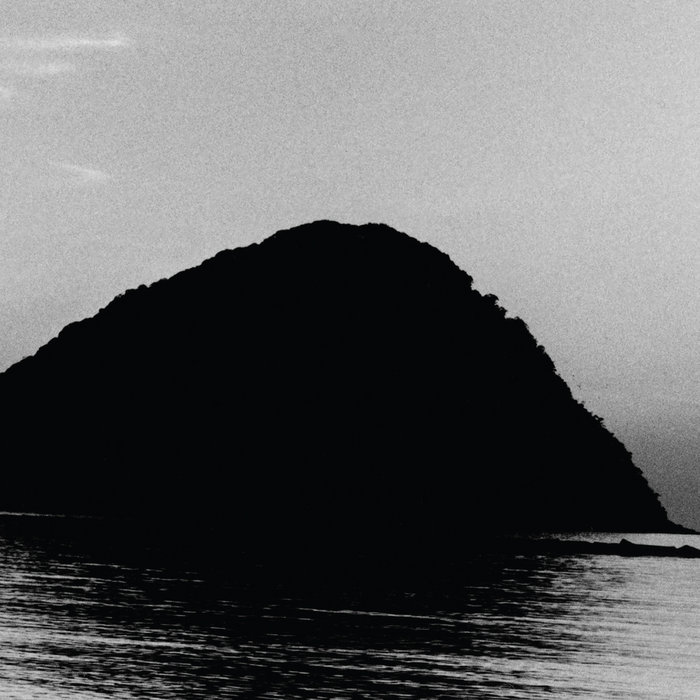
- Photograph by Sumiya Mayuko.
- Original release artwork: Chihei Hatakeyama — Mirror.
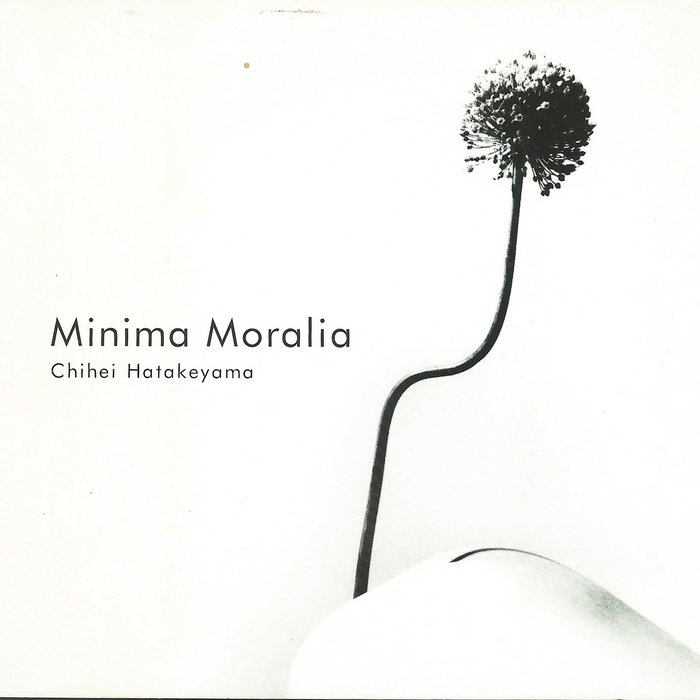
- Original release artwork: Chihei Hatakeyama — Minima Moralia.
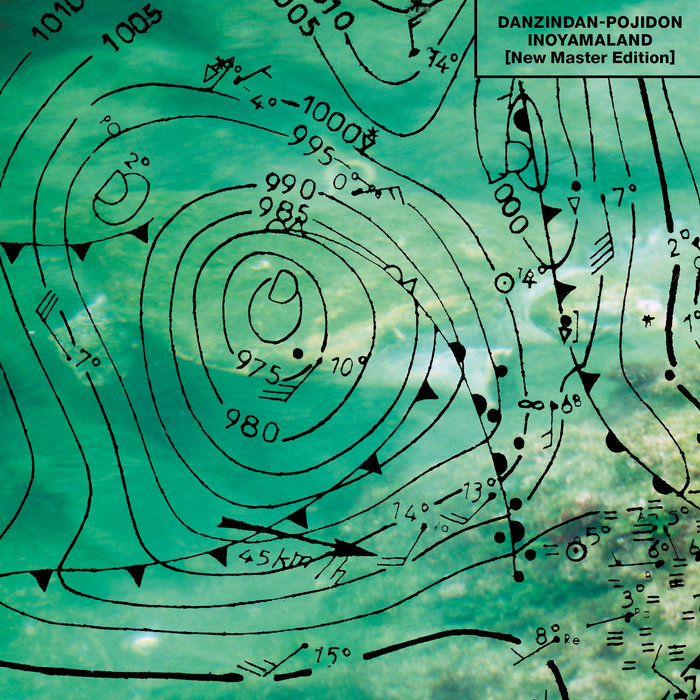
- Original release artwork: Inoyamaland — Danzindan-Pojidon.
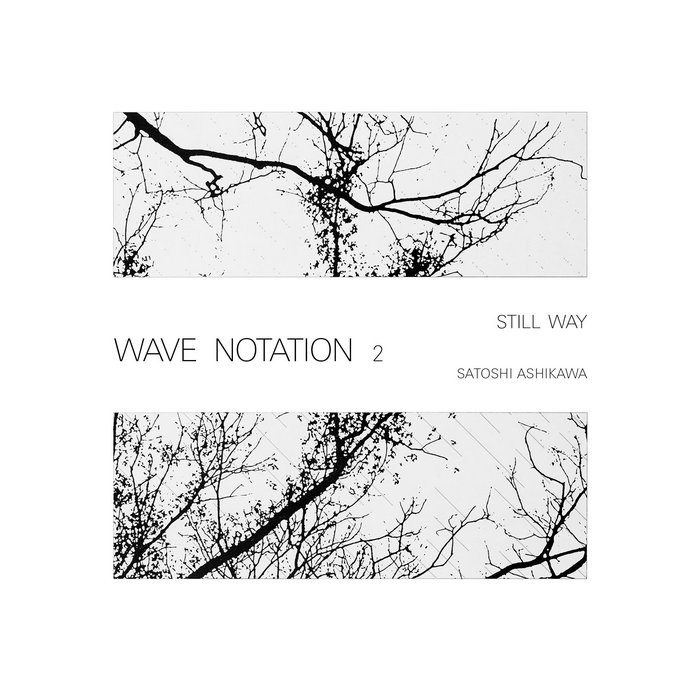
- Original release artwork: Satoshi Ashikawa — Still Way (Wave Notation 2).