Dalhous
Dalhous merge cult film soundtracks with Bernard Parmegiani, Alvin Lucier and Harold Budd in a quietly unsettling selection. Twenty-four pieces move through cinematic ambience, claustrophobic drones and brief flashes of light, like a long dream approaching a nightmare.
Listen to the mix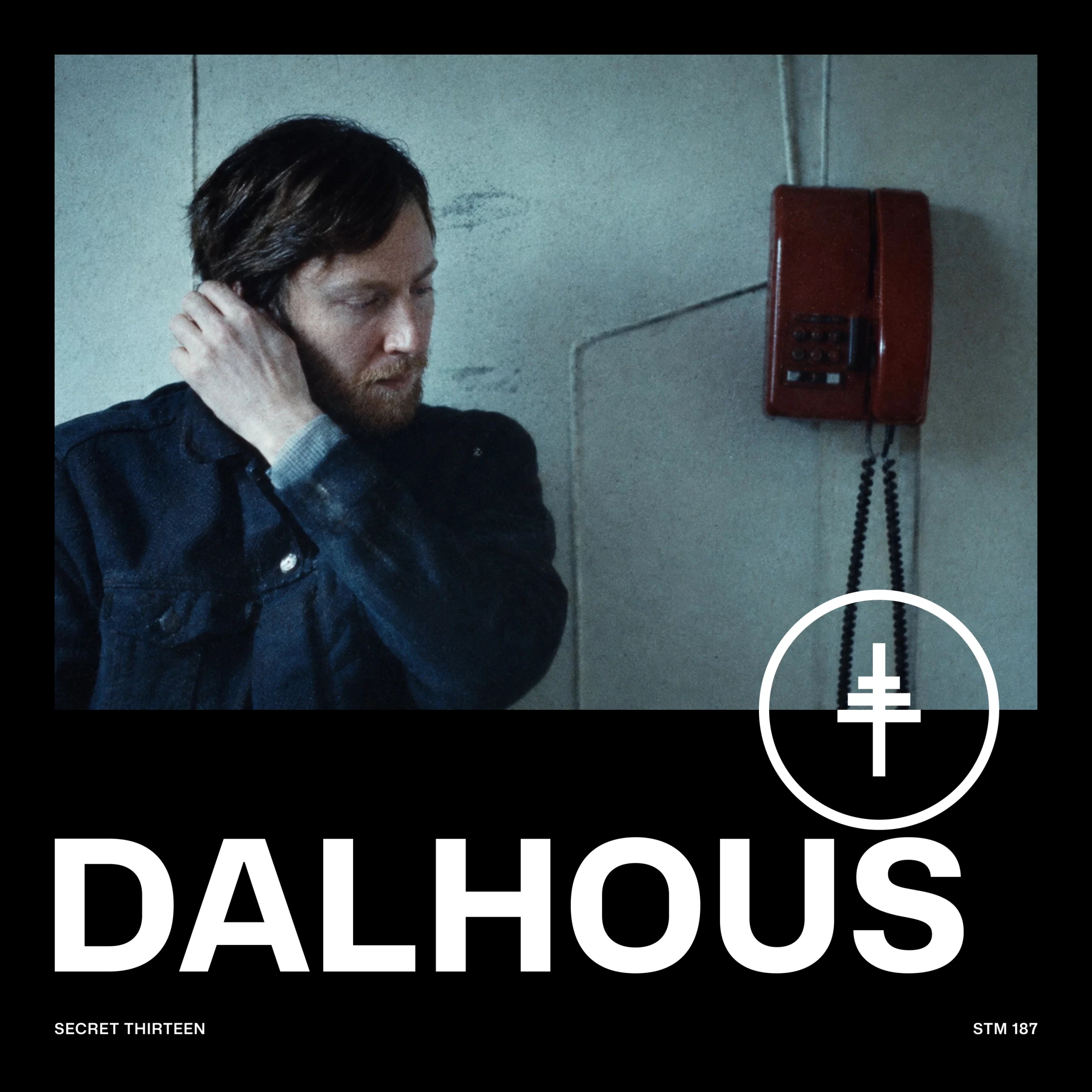
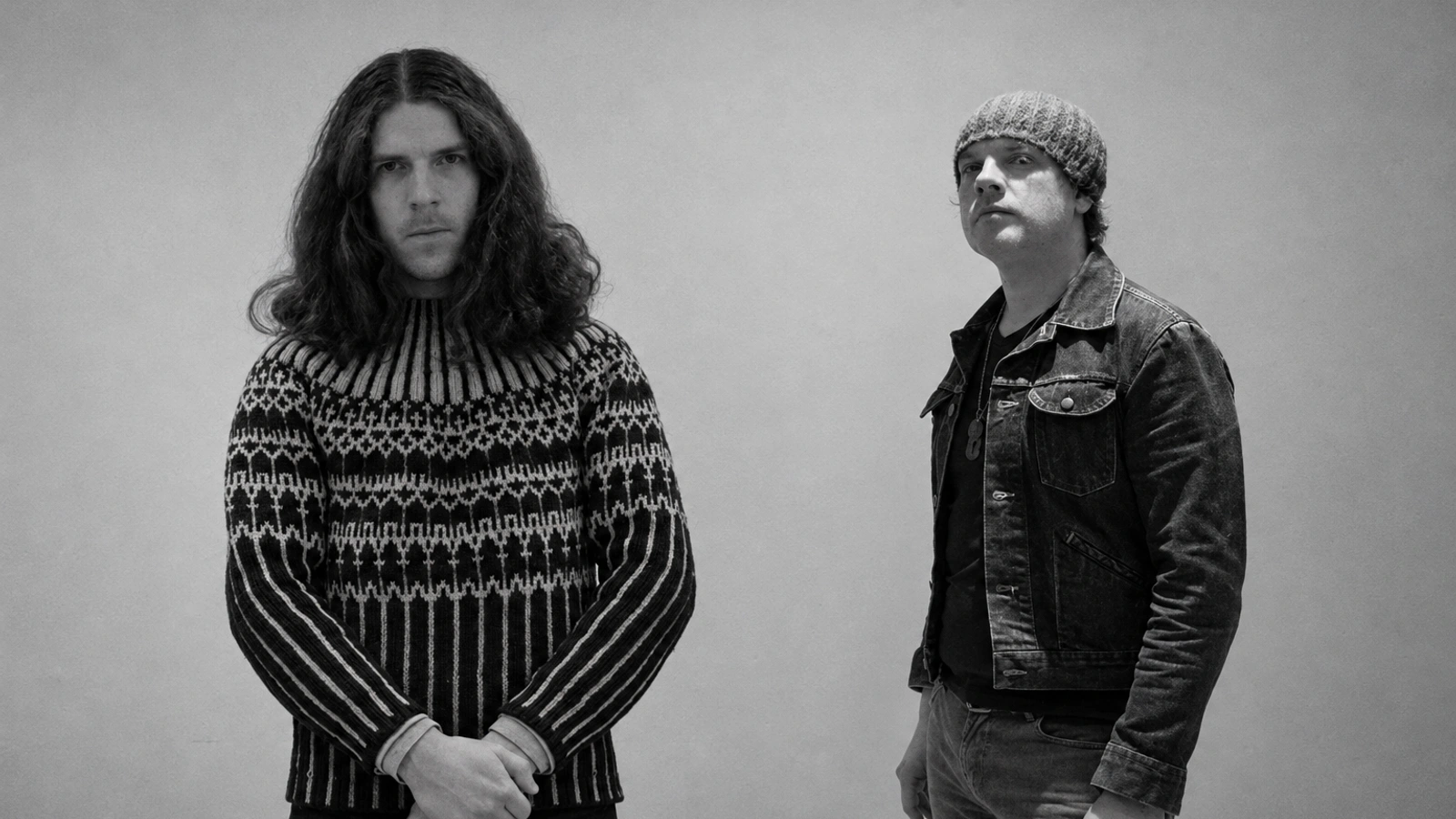
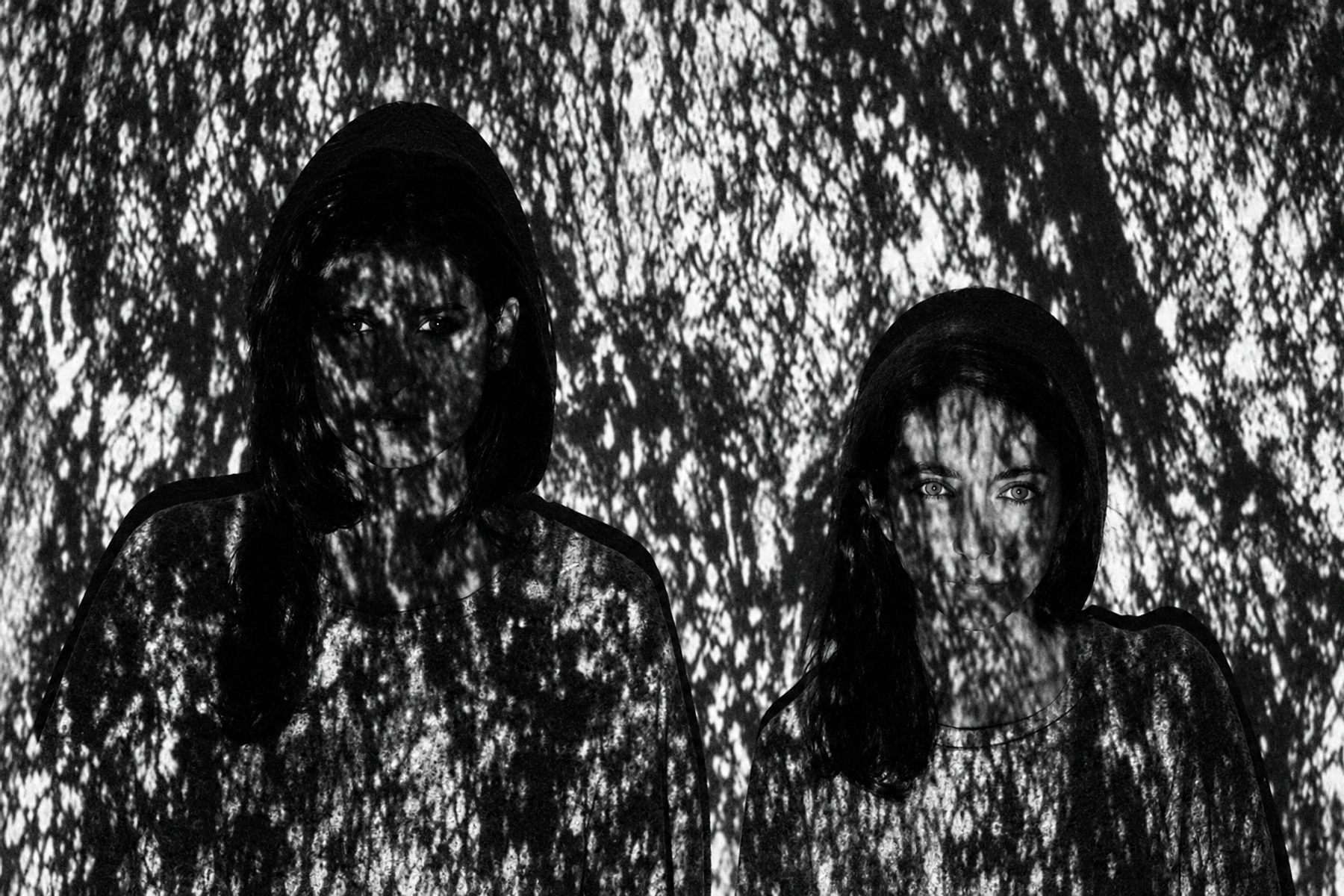
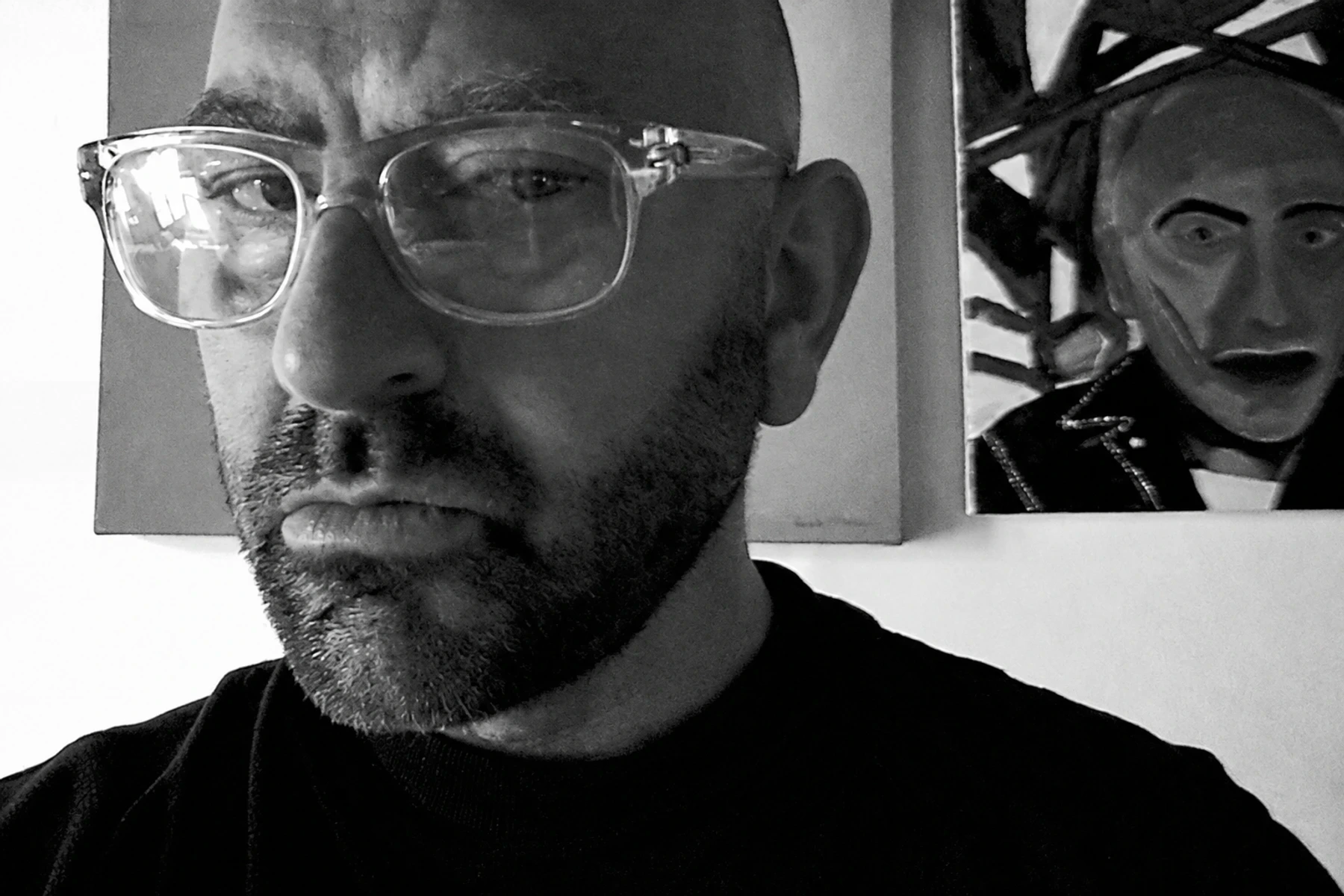
Dalhous is the brainchild of Edinburgh-based musicians Marc Dall and Alex Ander. Started under the Young Hunting title, the project evolved over the years and established itself through several releases put out mostly by Berlin imprint Blackest Ever Black including the latest beautifully haunting “The Composite Moods Collection Vol. 1: House Number 44”, and the recent split with Pye Corner Audio released on Lapsus Records. Dalhous’ sound contains lots of subtly hidden contrasts – its monolithic rhythmic reveries are sharp and gentle, layers of ambience on the boundary between tranquility and neuroticism, harmonies ranging from soothingly clear to menacing. All of this echoes the clandestine psycho-geography of Britain, hidden within abandoned asylums amidst stretching woodlands and maddening cityscapes. It is the combination of secure ambience and underlying insanity. No wonder Dalhous have R.D. Laing, an infamous anti-psychiatrist, as a main driving force behind the first two albums. This is a figure, whose biography is marked by the constant challenge to reinvent the boundaries of madness and the concepts of sane and insane.
In the records
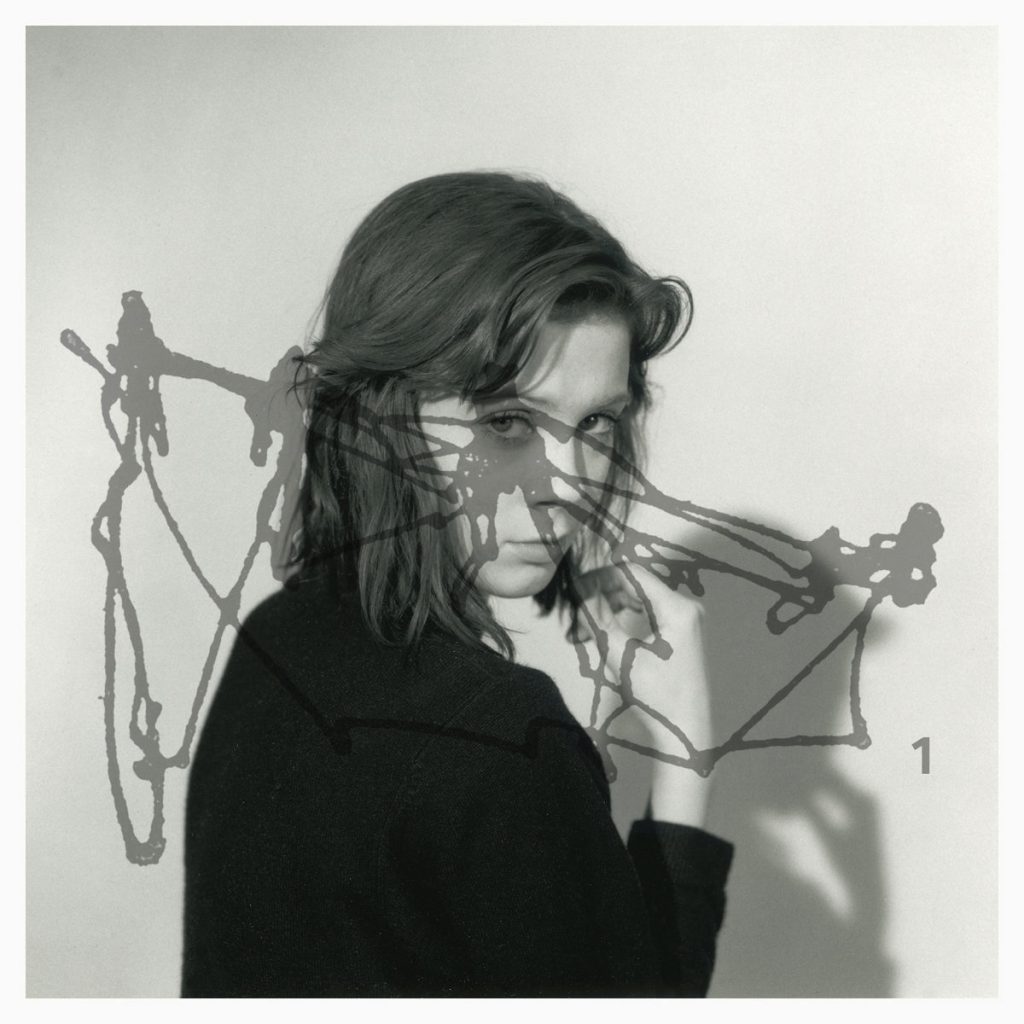
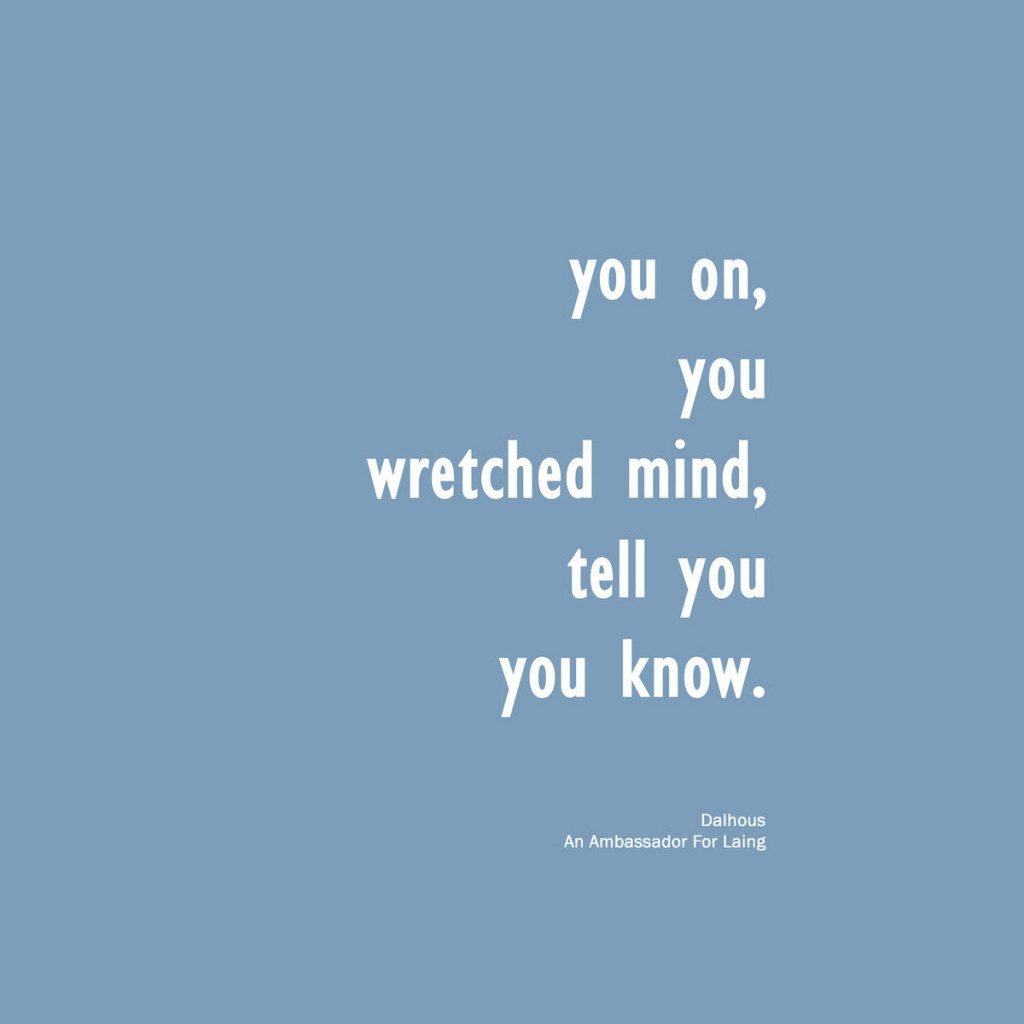
STM 187 is a textural and coherent collection encompassing a wide range of cult classic movie soundtracks merged with pieces of such famous modern composers as Bernard Parmegiani, Alvin Lucier or Harold Budd. The selection gives a floating experience of cinematic ambience with undercurrents of tension, claustrophobic drones and shimmering haunting beauty. Symbolically, the mix starts with Trevor Duncan’s piece from the 1962 masterpiece La Jetée, a movie, the static monochrome sequences of which resonate so well with Dalhous’ music and possess the same feel of twisted escapism and romanticism. The remaining selection roams through soft ambient drifts, lush neoclassical pieces, thus becoming reminiscent of a soundtrack for a long and intense dream – occasionally approaching, but not quite reaching the nightmare state. The cinematic references enhance this diverse experience even more. John Carpenter’s blockbuster ambient merges with the surreal industrial claustrophobia of David Lynch and Alan R. Splet’s “Eraserhead”, while among the multilayered darkness we find a surfacing light and tranquility within the pieces by Harold Budd, Brian Eno and Locust. The mix’s nuanced multilayered mood, subtle dark undertones and melancholic transparency are rather like the “Composition (Blue Background)” painting by Georges Papazoff.
Sources and image credits
- Photograph by Lily McNamee. Digitally restored.
- Original release artwork: Dalhous — The Composite Moods Collection Vol.1: House Number 44.
- Original release artwork: Dalhous — An Ambassador for Laing.
- Original release artwork: Dalhous — Will to Be Well.
- Original release artwork: Dalhous — Visibility Is A Trap.