Silvia Kastel
Silvia Kastel balances digital synthesis, organic percussion and fractured rhythms, bringing Japanese composers into conversation with contemporary experiments in a vivid study of tension and release.
Listen to the mix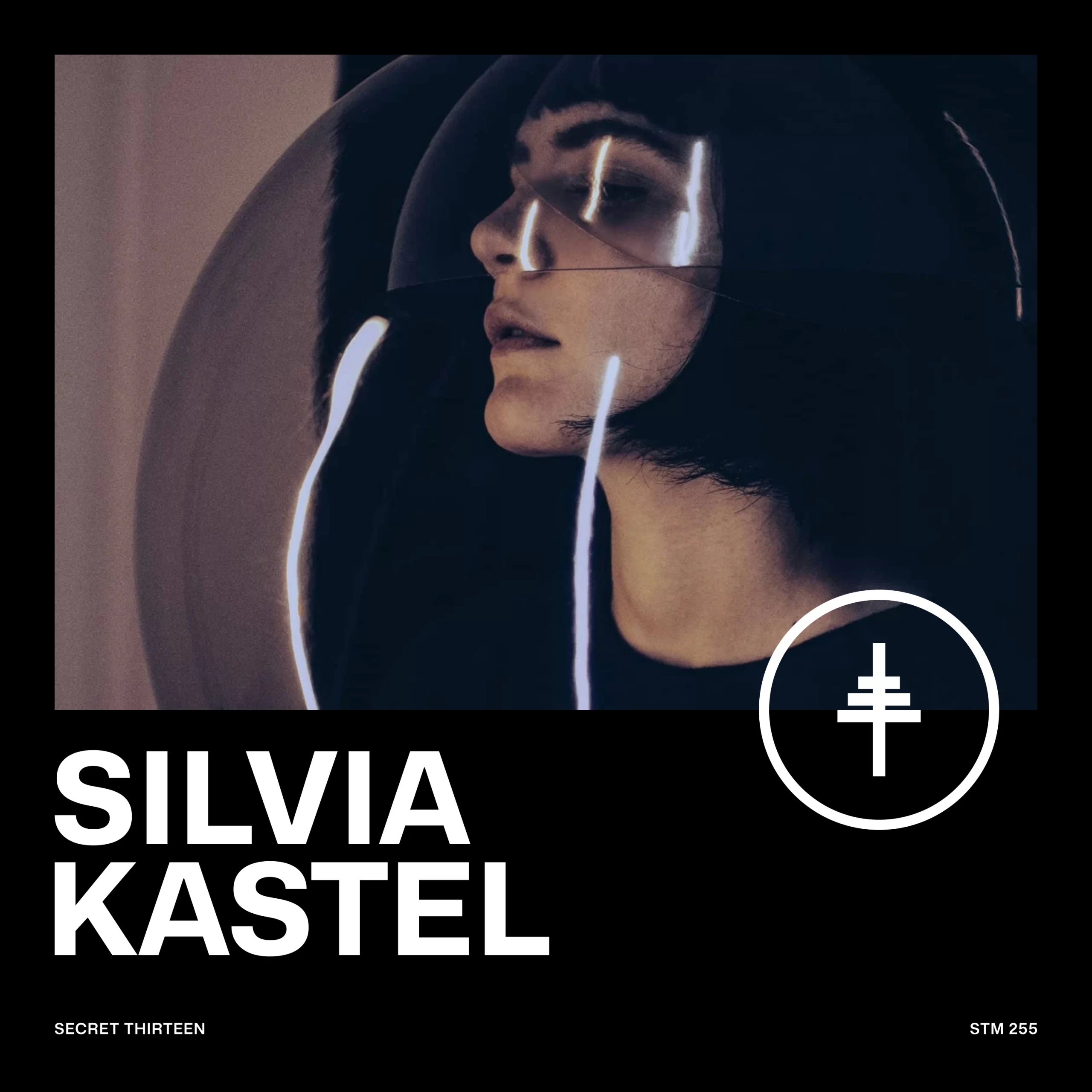
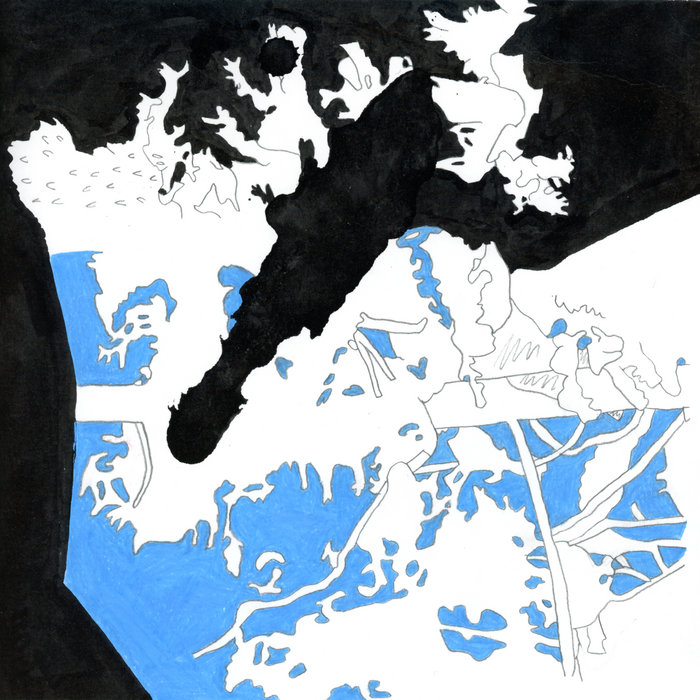
Silvia Kastel is a Berlin-based artist, whose diverse musical background encompasses no wave, noise, jungle/d’n’b, distorted versions of dub and pop and other things. All these influences helped her to come up with a multi-angled sound that stretches across a large number of tape and vinyl releases and blossoms with her latest LP, Air Lows for Blackest Ever Black. Before embarking on her solo career Silvia was part of Ninni Morgia’s Control Unit, which was described by Julian Cope as being “like Catherine Deneuve dumped two cases of post-Repulsion psychiatric notes over Pere Ubu’s Dub Housing”. It is an intense exercise merging no wave madness with a free jazz sensibility. In her solo work Silvia explores subtler terrains, where the nocturnal neuroticism of urban spaces fuses with the airy soundscapes of dubby melancholia, or “goth psychedelia” as Pitchfork put it. It is a sound both claustrophobic and vast, tense and relaxed in its own peculiar ways. These tendencies were on display in Air Lows LP, where Silvia’s ghostly voice and indecipherable lyrics wander across sonic landscapes both hazy and haunted, where tunnels of reverb and echoes suddenly take you to cloudy and mellow realms. Apart from being a musician, Silvia also maintains the Ultramarine tape label, which has already put out releases by such artists as Smegma and Gate (aka Michael Morley of The Dead C).
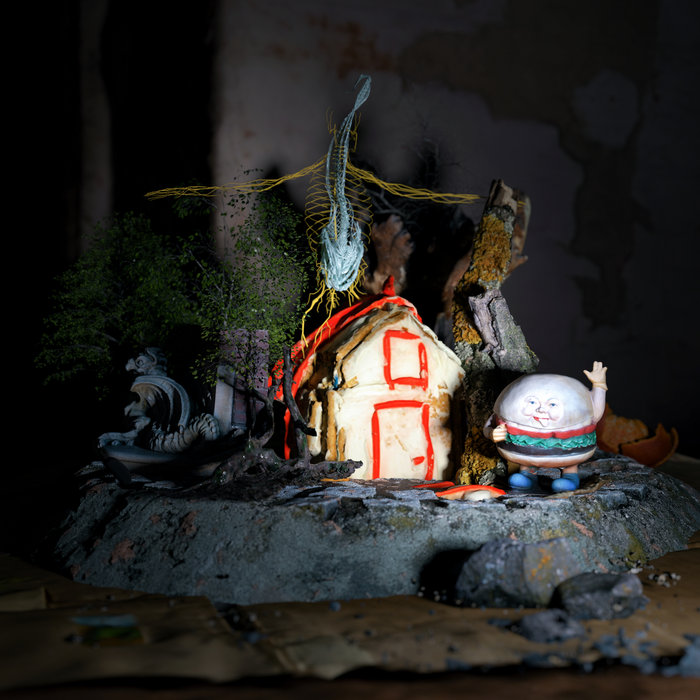
STM 255 is a vivid and detailed celebration of organic and synth sounds, with a focus on detailed arrangements and rhythmic experiments, where every minuscule detail is essential. Japanese composers feature quite heavily. Haruomi Hosono’s Paradise View (one of Silvia’s favourite artists) merges synthetic and traditional musical forms, while the beautiful and elevating ambience of Formation Of The Venus induces a blissful state of tranquility. Similar sensibilities are evoked by Yoichiro Yoshikawa’s Nube from the soundtrack of The Miracle Planet. Hiroshi Yoshimura’s Time After Time is a pulsating and refreshing affair, which passes over in the second half of the mix like an ocean breeze. We have many less tranquil moments here as well, such as with the sharp, yet oddly hypnotic saw synth attack from Moa Pillar, the futurist noir garage of Hyph11e or the nostalgic rave deconstructions of Zomby. Thus the mix is full of contrasts, yet maintains a coherent stance, constantly balancing between utter calmness and complex tension. With its combination of transparent harmonies, sophisticated forms, sharp, subtle sounds and many detailed layers the mix reminds Composition 35 by Stefan Sevastre.
In the records
Silvia Kastel on the mix
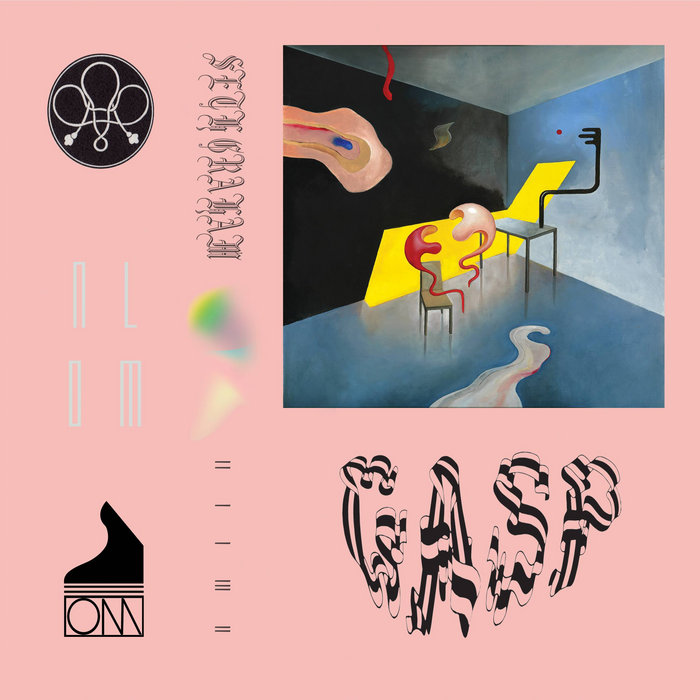
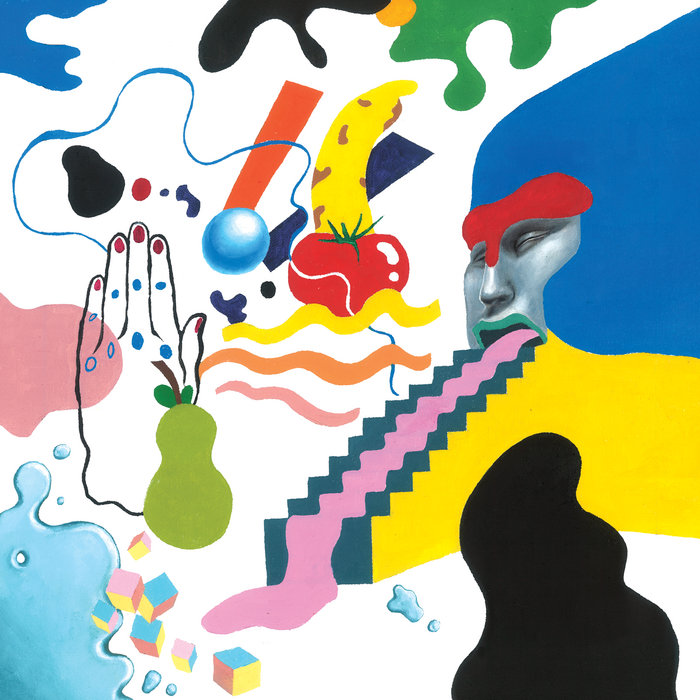
The mix focuses on my current main influences: digital synthesis, complex but sparse arrangements, organic acoustic percussion combined with hyperreal, frantic patterns. Vocals are mostly in a sample form and provide colour, melody, or simply feature as part of a beat, again like a colour or a brush choice for a painter. It’s also a reminder of the human element to either contrast or simply sit in an artificial scenario. I often see music visually and some tracks in particular, like Seth Graham, City or Foodman evoke different pictures or moods. Those tracks in the mix act as “bridges”. The idea is to provide tension and release. It is also interesting what both Hosono and Sakamoto were doing on their solo albums in the mid-80’s. In this case, I happened to choose tracks from the same year (1985). A stripped down, future-folk track from Hosono’s soundtrack for Paradise View and an example of Sakamoto’s stunning use of melodic percussion on Esperanto. I love how these pieces sound so avant-garde and melodic, impeccably composed at the same time. Similarly as with the other tracks I chose and that I tend to gravitate towards lately, it’s a good combination of structure, well-thought-out arrangement and pure experimentation.
Sources and image credits
- Photograph by Camille Blake.
- Original release artwork: Silvia Kastel — Air Lows.
- Original release artwork: Seth Graham — Gasp.
- Original release artwork: Hyph11e — Vanishing Cinema.
- Original release artwork: Foodman — Ez Minzoku.