


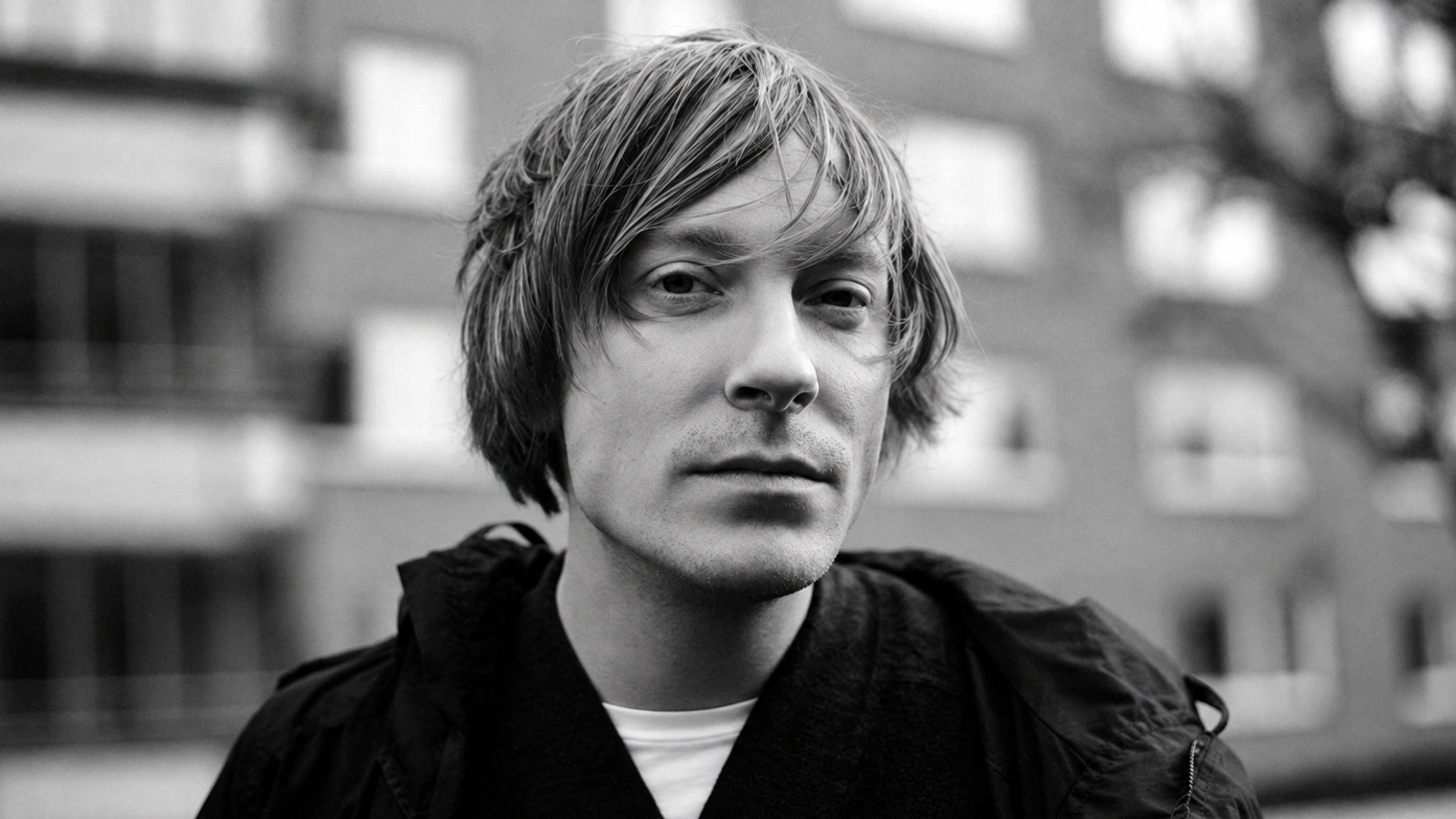
Mokira
Dialogue from Ingmar Bergman’s Cries & Whispers passes through re-edited music, Stockholm rain and analogue delay. The film’s voices become part of a new sound environment, with their emotional weight carried into the spaces between records.
Film scores, borrowed voices and mixes shaped by the moving image.
Film sound keeps working after the screen has gone dark. A voice can retain the tension of a scene; a piece of music can carry the memory of its images into another setting. Across these recordings, cinema enters the mix in several ways: as a source of scores and dialogue, as a film watched during the performance, or as a visual experience that guides the search for records.
We selected eight contributions whose relationship to moving images is stated in the original feature or the artist’s account. LCC bring music, effects and voices into the same creative field, while December follows the changing emotional course of Behindert and O Yuki Conjugate respond to Melanie Smith’s films. The collection leaves those methods distinct. It offers a way to hear how an existing film can change the work of selection, and how its sounds can acquire another narrative when assembled away from their original images.
Dialogue from Ingmar Bergman’s Cries & Whispers passes through re-edited music, Stockholm rain and analogue delay. The film’s voices become part of a new sound environment, with their emotional weight carried into the spaces between records.
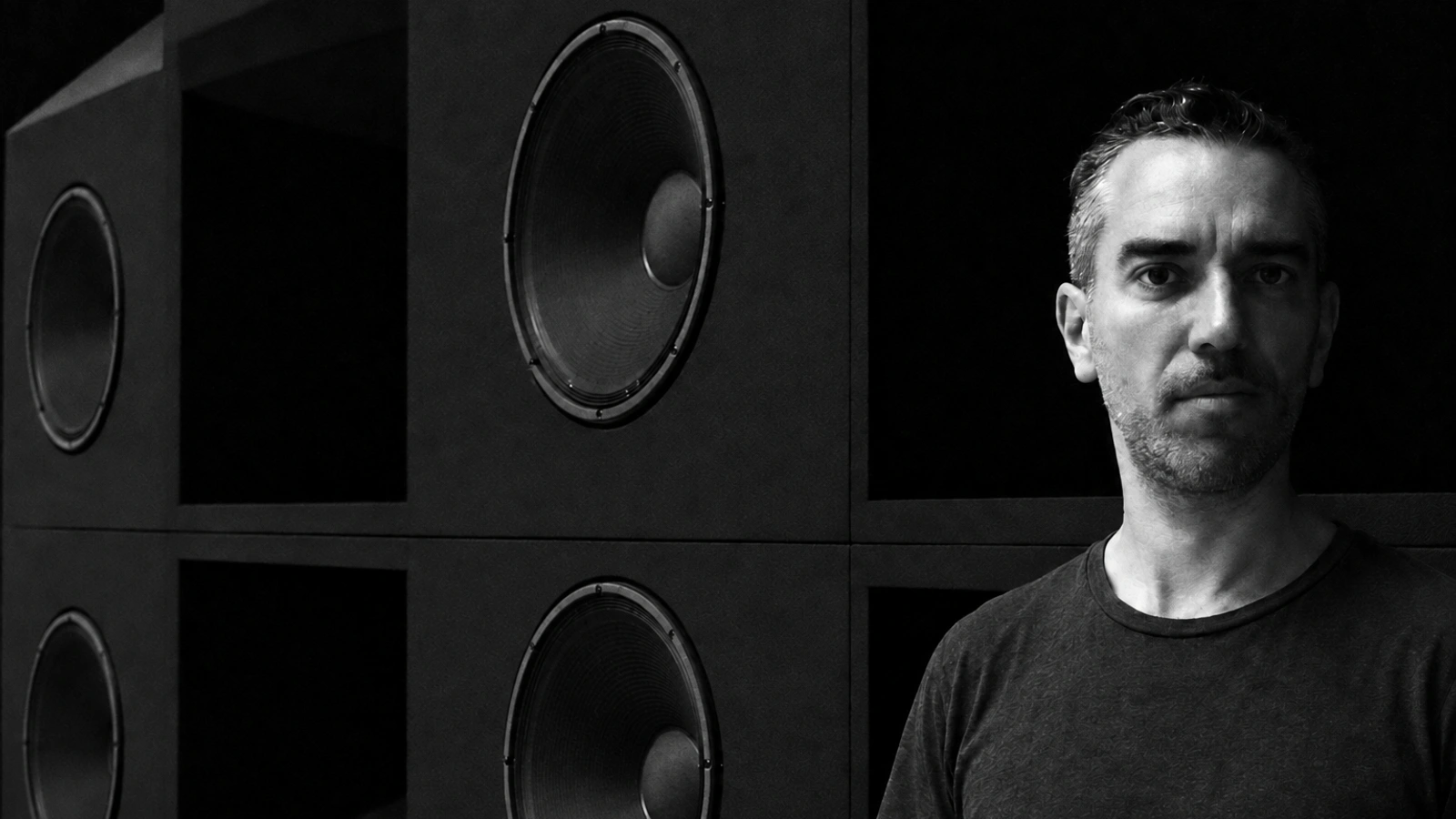
Silent Night responds to the opposed Christmas settings of Wake in Fright and The Shining. Scores and dialogue from those films are layered with composition, noise and Curgenven’s own fragments, making cinema part of the recording’s structure as well as its source material.
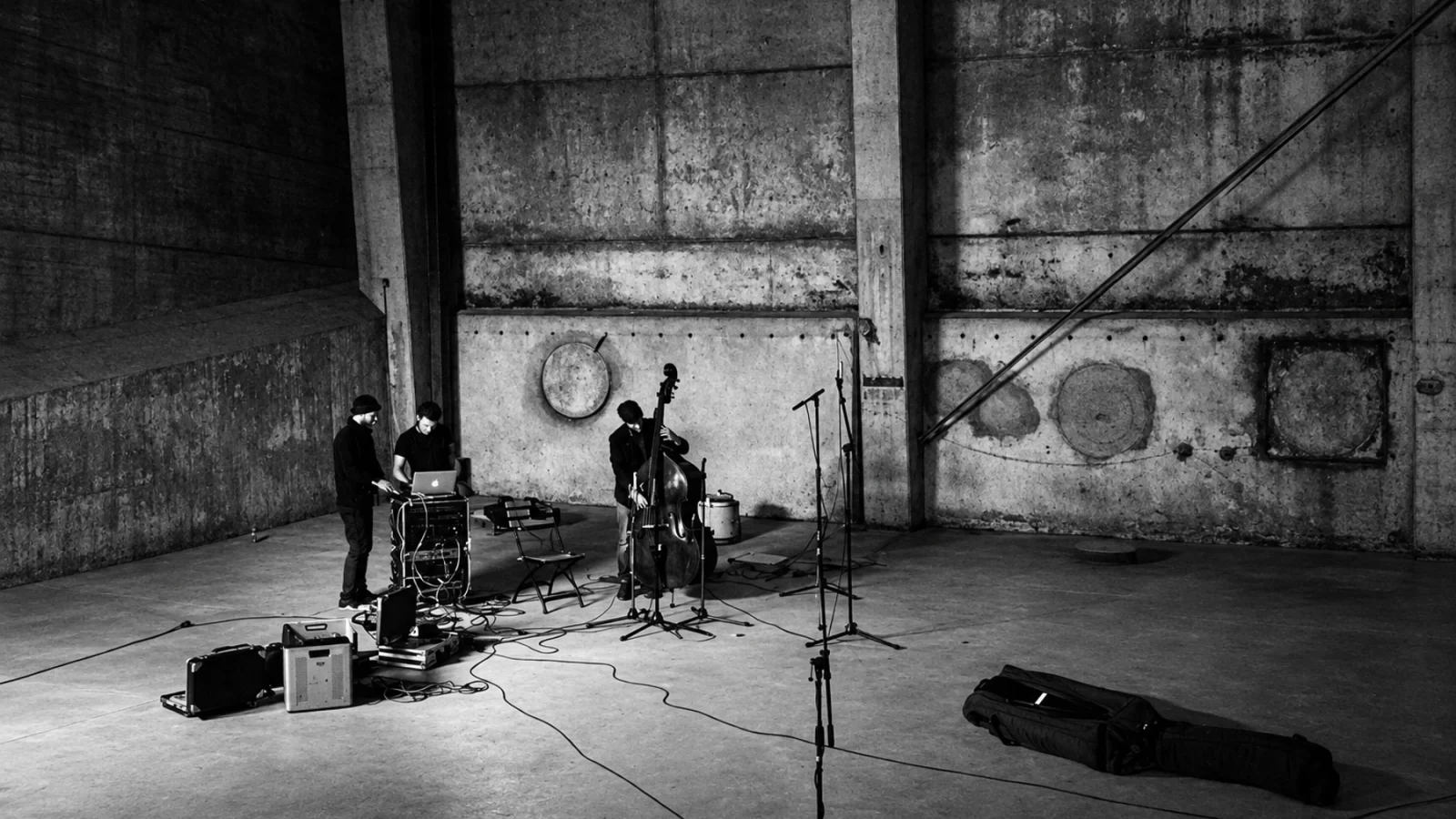
Prepared alongside the soundtrack to the 360-degree film Nimbes, this selection gathers pieces the two musicians shared during its making. It offers a listening context for their collaboration, where instrumental sound, architectural resonance and questions of scale meet.
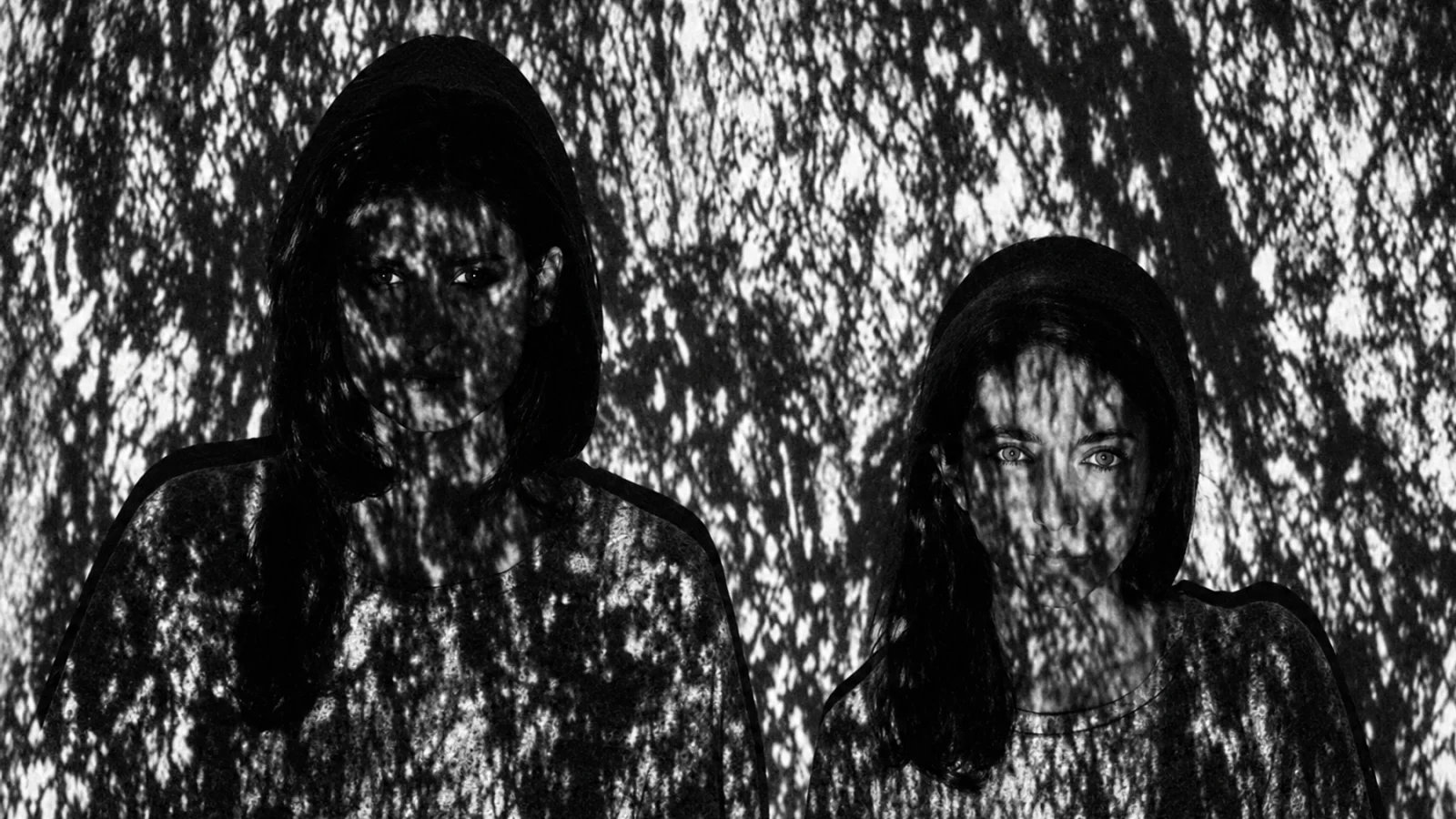
Film music, effects and voices receive equal attention in a sequence drawn from favourites including Persona, THX 1138 and Videodrome. The duo’s own account explains the selection’s source criteria, making it an unusually direct exploration of cinema through its sound.
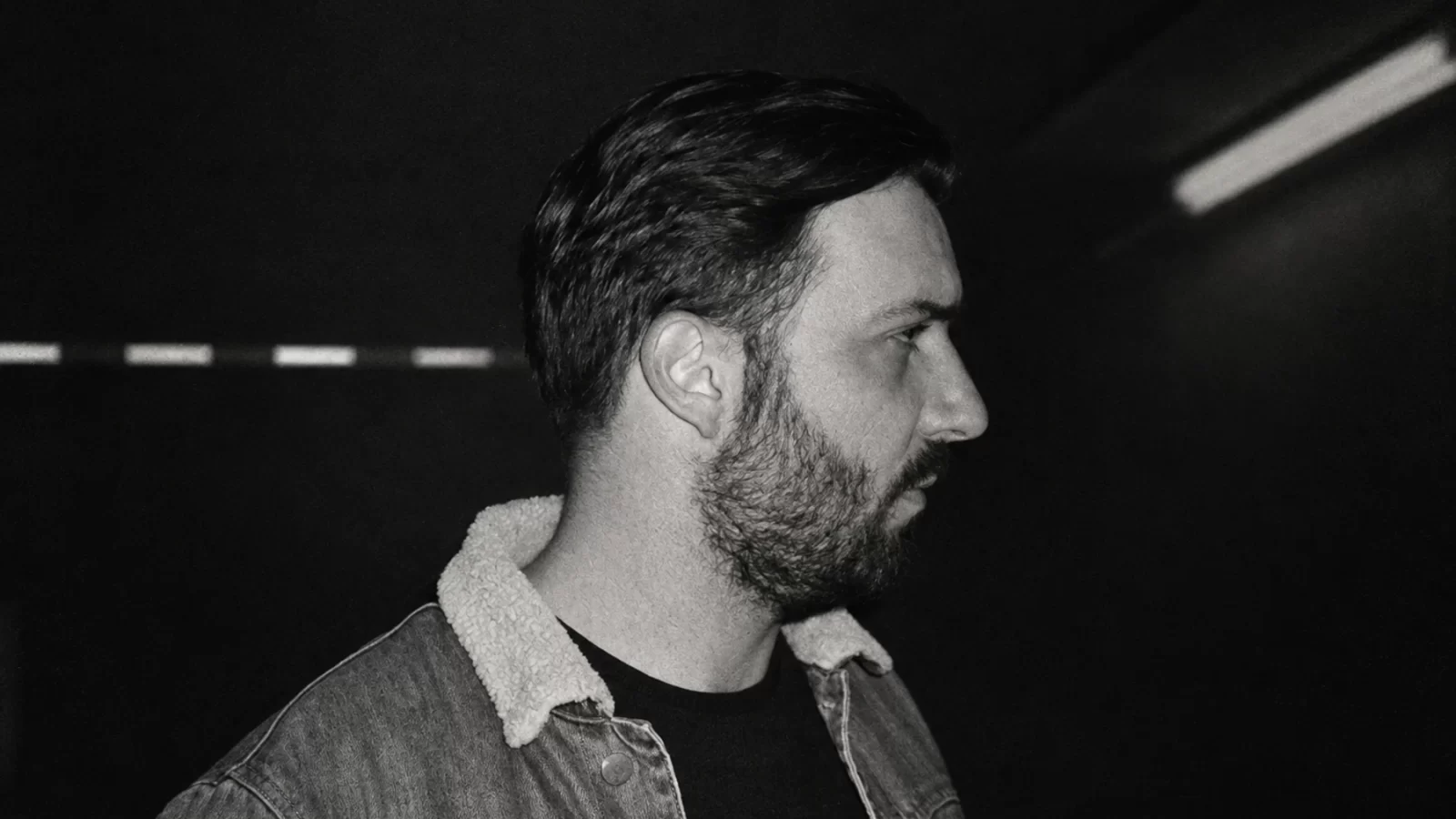
Tomas More selected and played these records while watching Stephen Dwoskin’s Behindert. The mix follows his reading of its relationship and its process of creation, translating a sustained encounter with one film into a separate emotional sequence.
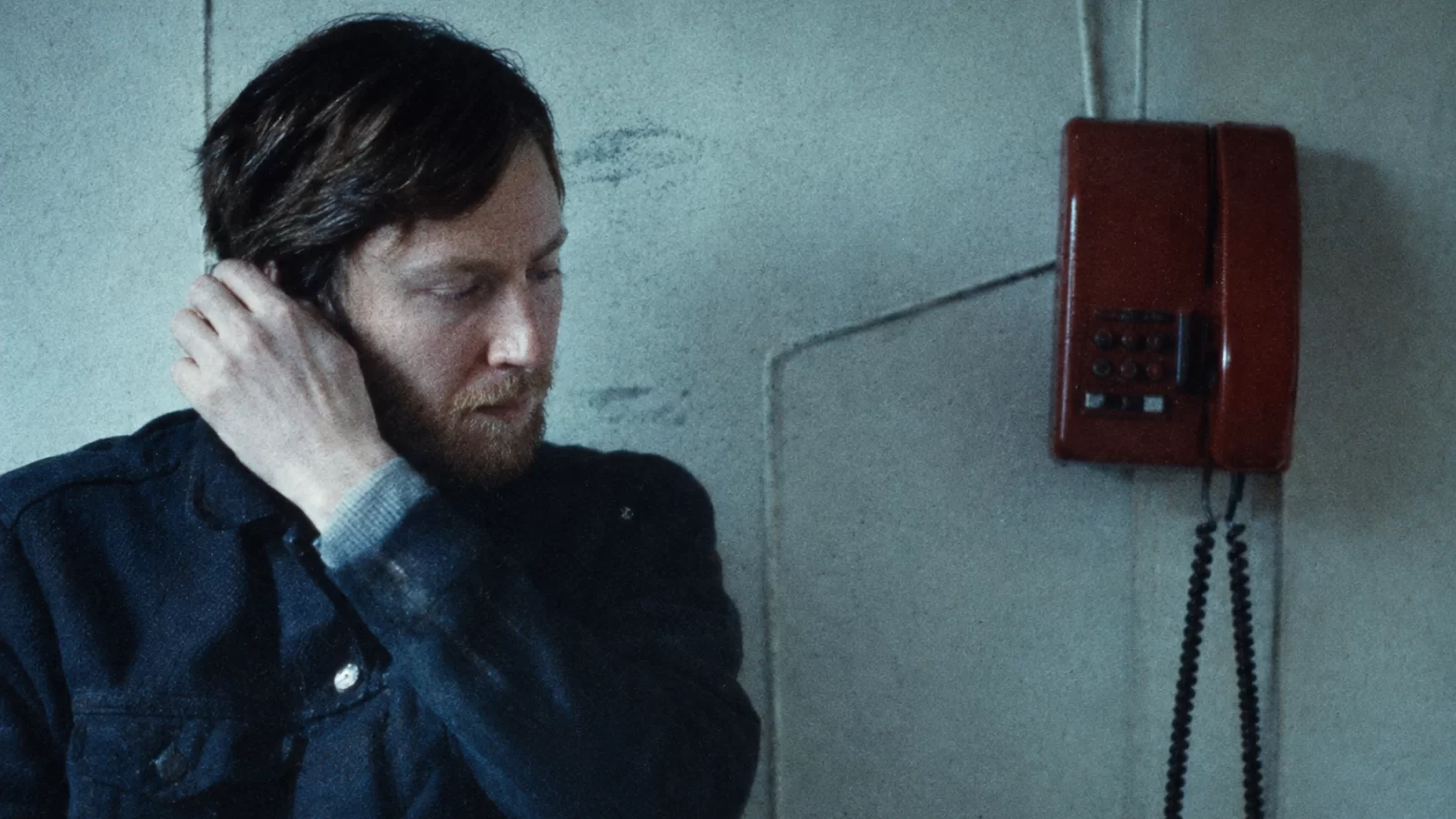
Trevor Duncan’s music for La Jetée opens a passage through film scores and experimental composition. John Carpenter and David Lynch’s sound worlds share space with Parmegiani, Lucier and Harold Budd, allowing a familiar screen memory to drift into less familiar recorded spaces.
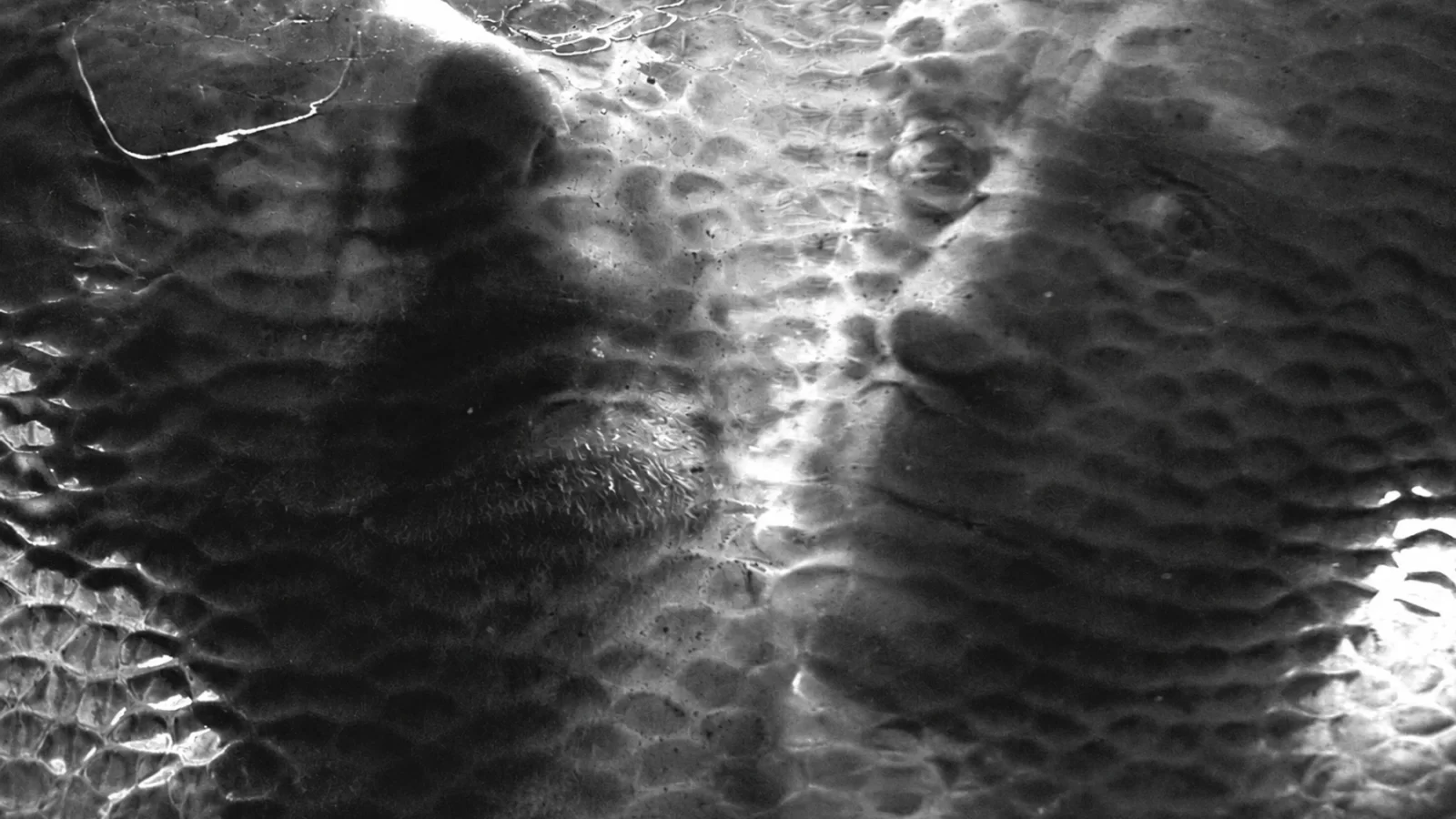
Melanie Smith’s films of South and Central American jungles provided the starting point for Hallucinations Mix. The duo respond to those images through records and environmental sound, giving their shared visual memory a new musical setting.
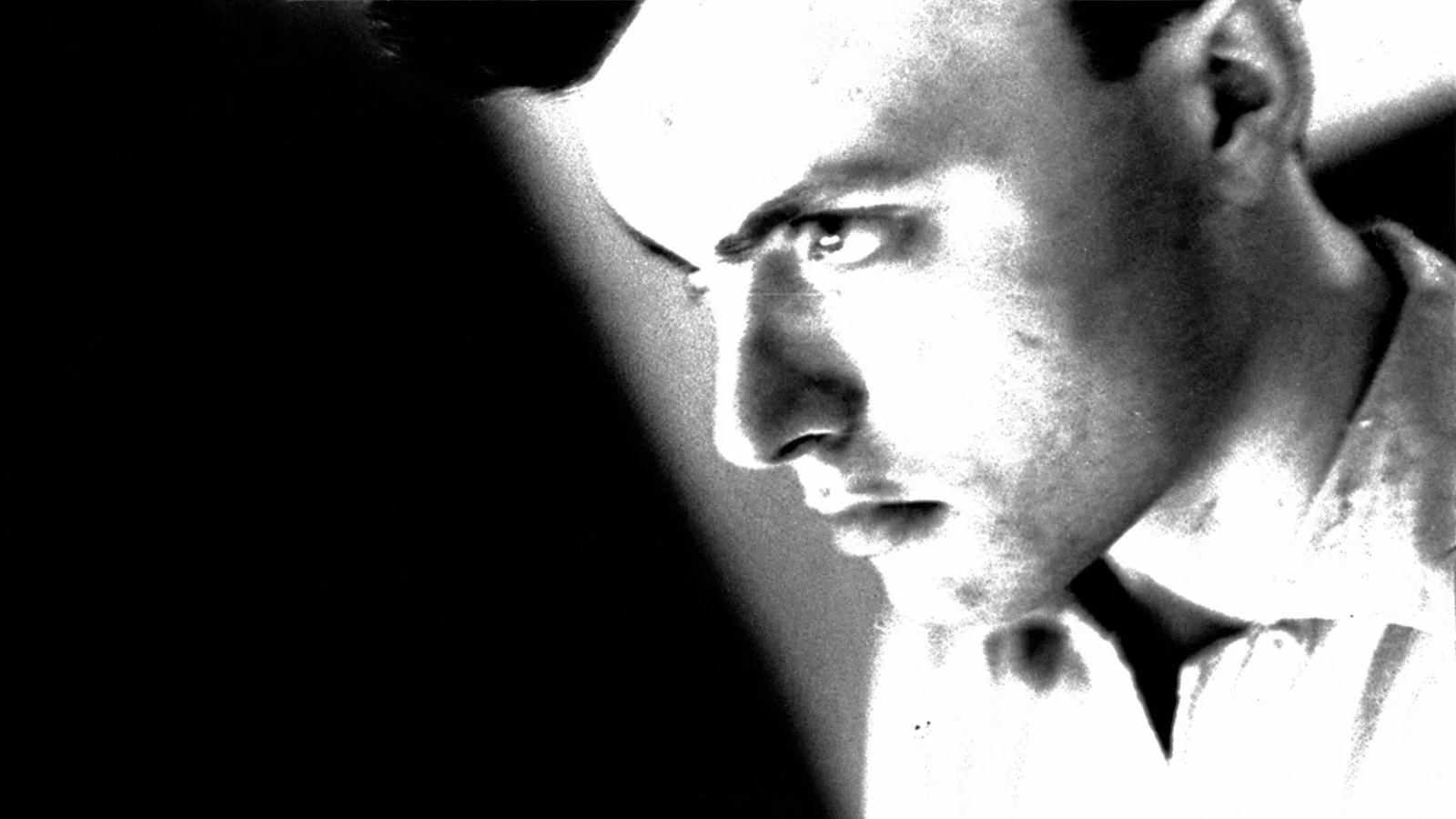
Film dialogue, television fragments, news clips and homemade sounds interrupt the records in Lockdown Headphone Apocalypse Mix. Bosten connects it to his 1990s pirate-radio soundscapes and the Burroughs cut-up method; material from Videodrome, THX 1138 and other films becomes part of a contemporary political montage.
Presented in original publication order. Each recording has its own relationship to the film or films around it.
All mixes